Al-Makhzoum: Power network navigates "Summer 2026" with efficiency and safety
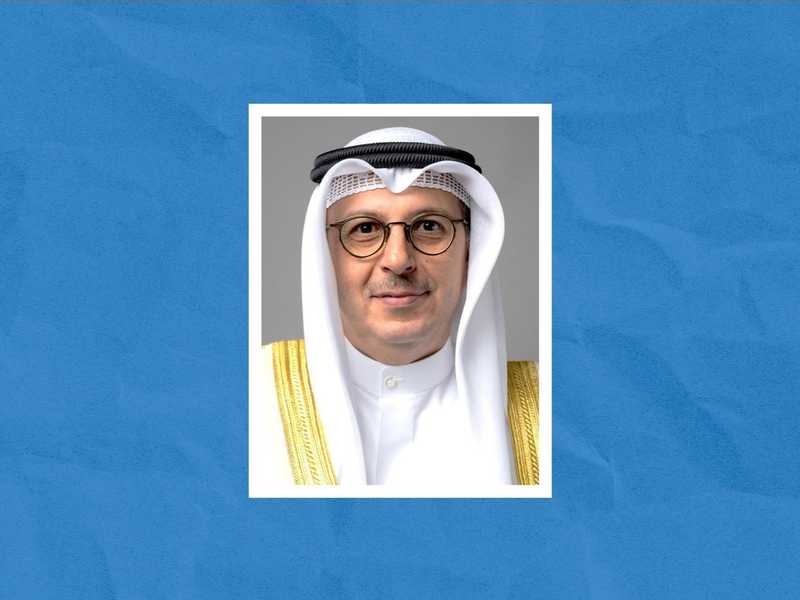
Minister of Electricity, Water, and Renewable Energy Dr. Sabih Al-Makhzoum confirmed that Kuwait’s power system concluded the summer 2026 season with a peak electricity load of 17,540 megawatts, a decrease of 70 megawatts compared to the 17,610 megawatts recorded in summer 2025. This marks the second consecutive year of declining peak electricity demand.
Al-Makhzoum added that this indicator reflects the continuation of a trend that began in summer 2025, when peak electricity load fell for the first time compared to 2024, which recorded 17,640 megawatts. This downward trajectory demonstrates a positive shift in consumption efficiency, despite ongoing urban, demographic, and economic expansion, as well as the connection of new electrical loads to the grid.
He clarified that the additional electrical loads resulting from connecting power to new facilities amounted to 1,059 megawatts during the period from summer 2024 to summer 2025, and 1,019 megawatts from summer 2025 to summer 2026, totaling 2,078 megawatts between summer 2024 and summer 2026. Despite these additions, the peak load in summer 2026 remained lower than levels recorded in summers 2024 and 2025, underscoring the impact of efforts to enhance energy efficiency and improve consumption patterns, particularly during peak hours.
Al-Makhzoum emphasized that measures taken to manage electricity loads during the summer season directly contributed to alleviating pressure on the power system, especially during peak periods. These measures included reducing working hours in government entities by one hour, suspending factory operations during peak hours, and implementing the National Campaign for Energy and Water Conservation (Wafra), along with its media and awareness initiatives to promote a culture of conservation and reduced consumption. He commended the cooperation of citizens, residents, government and private entities, and media outlets, noting that their support played a vital role in load management. He affirmed that these measures effectively reduced electricity demand during peak hours, thereby supporting service continuity and the grid’s capacity to meet the country’s needs during periods of highest consumption.
Dr. Sabih Al-Makhzoum noted that the summer 2026 season unfolded under exceptionally difficult circumstances due to regional developments and Iranian aggression against parts of the power system. These attacks targeted several power generation and desalination plants, fuel storage tanks, and overhead lines, causing several generation units and system components to go offline and affecting certain production and operational capacities.
He explained that the repercussions of these conditions also extended to routine and preventive maintenance programs, as some scheduled works could not be executed on time. Maintenance for several units was delayed but was gradually completed by the end of August. Despite these unusual operational conditions, technical damages, unit outages, and disruptions to maintenance schedules, Ministry teams and technical staff worked around the clock to repair damages, restore affected units and facilities to service, and maintain system readiness. This enabled the Ministry to ensure continuous service and meet the country’s needs throughout the summer season.
On the awareness front, Al-Makhzoum highlighted the importance of the National Campaign for Energy and Water Conservation (Wafra) in stabilizing the electricity and water systems during summer 2026. He stated that the campaign directly supported service continuity by fostering community engagement with conservation messages and reducing unnecessary consumption during peak hours, which helped alleviate pressure on the grid during the most challenging periods. He added that the campaign expanded its community presence in 2026 through partnerships with government and private entities, implementing programs, lectures, activities, and awareness messages targeted at various societal segments. These efforts reinforced the culture of responsible electricity and water use and solidified the concept of shared responsibility in preserving the country’s resources.
Dr. Al-Makhzoum stressed that the results of the summer 2026 season confirm that consumption conservation is no longer merely an awareness issue but has become a key component complementing the state’s plans to enhance the security and sustainability of the electricity and water systems. He noted that sustaining these results requires integrated efforts among state institutions, the private sector, and individuals, as well as the entrenchment of prudent practices throughout the year.
Al-Makhzoum affirmed that the Ministry is concurrently implementing strategic projects aimed at increasing electricity and water production capacities, developing transmission and distribution networks, and expanding renewable energy projects to meet the country’s future needs amid urban, demographic, and economic growth. He pointed out that several strategic projects are now in their final stages with the Public-Private Partnership Projects Authority, paving the way for their implementation.
He explained that “as the period for reducing and lowering factory production lines to ease electricity loads, which began on May 14, concludes today, the academic year has started at the Ministry of Education. This requires intensified preparations to ensure grid stability and meet the needs of schools and educational facilities.”
In conclusion, the Minister of Electricity, Water, and Renewable Energy expressed his deep appreciation for national cadres and all Ministry workers across various sites, stations, control centers, and emergency centers. He commended their exceptional efforts, dedication, and sense of responsibility amid the unusual operational conditions the country experienced. He also extended his gratitude to citizens, residents, state institutions, and the private sector for their cooperation and responsiveness to conservation messages. He emphasized that preserving and sustaining the country’s resources is a shared national responsibility, and that every contribution plays a role in enhancing resource efficiency and supporting their sustainability for future generations.
