The specter of secession returns to the forefront... Will we witness the end of the United Kingdom?
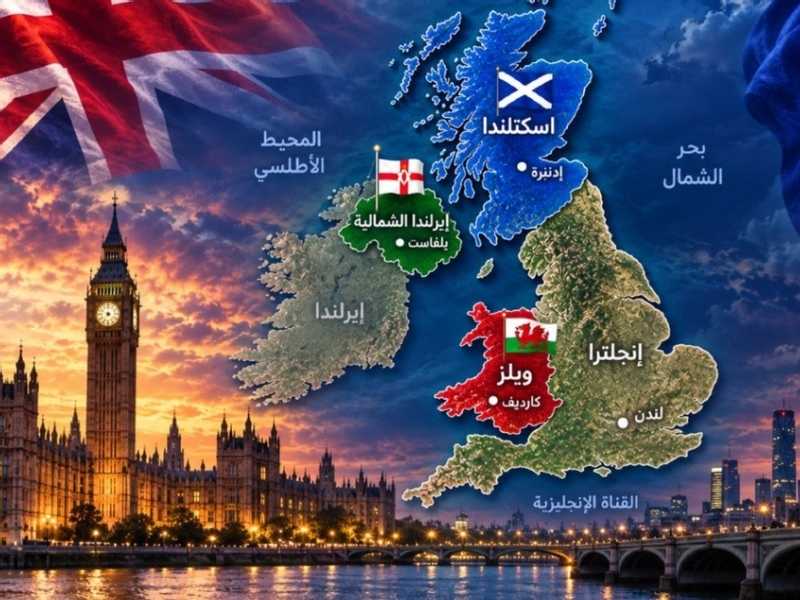
The issue of the United Kingdom’s potential breakup has resurfaced, as leaders from Scotland, Wales, and Northern Ireland met in the Welsh capital, Cardiff, today in an unprecedented step that brings together for the first time the governments of the three regions, all led by parties supportive of independence or Irish reunification. Scottish First Minister John Swinney, Welsh First Minister Rhun ap Iorwerth, and Northern Ireland’s deputy First Minister Michelle O’Neill, alongside Sinn Féin president Mary Lou McDonald, will discuss the future of their relationship with London and sign a memorandum of understanding affirming these nations’ right to pursue self-determination and independence from the United Kingdom.
The meeting gains particular significance as the governments of all three regions are now led by parties that, to varying degrees, support separation from the UK or the end of the current union. This political shift has not occurred before since the establishment of devolved government in Britain. Swinney stated that the three nations stand at a “constitutional moment” of great importance, emphasizing that the right of their peoples to determine their political future must be respected.
British Prime Minister Andy Burnham has acknowledged that a Scottish independence referendum could be considered if clear public support emerges, a stance that has raised hopes among nationalists in Edinburgh, although his government continues to reject calls for a new referendum at present. In Wales, the rise of Plaid Cymru to lead the government marks a historic shift, with Rhun ap Iorwerth becoming the first party leader to head the devolved administration since its creation. His leadership maintains that Welsh independence remains a future option to be decided by the Welsh people.
In Northern Ireland, Sinn Féin leads the government, as the issue of Irish reunification has re-entered vigorous debate, particularly following recent comments by US President Donald Trump expressing support for a united Ireland. However, the Burnham government insists there is currently insufficient public support to hold a reunification referendum.
The new initiative extends beyond demands for independence, as the three leaders seek to coordinate their positions on the economy, energy, and relations with Europe, amid discussions of a different future for these countries outside the UK framework and possibly within the European Union, should voters in each region choose separation in the future. Nevertheless, the breakup of the UK remains a political possibility rather than an imminent reality; referendums and secession require complex constitutional and legal processes, and public opinion remains divided across the three nations.
Nonetheless, the Cardiff meeting represents a notable development, as talk of the Union’s future has moved from isolated demands in Scotland and Northern Ireland to coordinated political action uniting the three regions in their dealings with the London government.
