Dr. Saadoun bin Hassan: A child's asthma diagnosis does not mean he should be barred from studying and sports
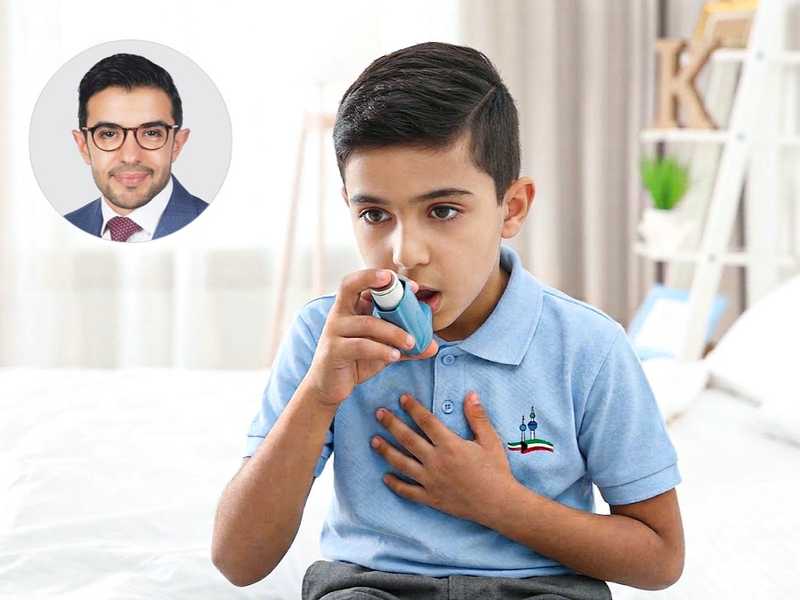
Dr. Wala’a Hafiz: With the return to school, the number of asthma attacks requiring hospitalization for children increases, a phenomenon documented by scientific studies in multiple countries. Some of these studies indicate that asthma accounts for approximately 20% to 25% of all pediatric hospital admissions throughout the year, with a significant proportion of these cases concentrated in the month when school begins, peaking during the first two weeks of classes. This timing clearly reflects a link between the start of the academic year and an increase in asthma attacks, underscoring the need to pay attention to factors that may exacerbate symptoms during this period.
Regarding this issue, Dr. Saadoun bin Hassan, a pediatric respiratory and sleep disorders consultant, told Al-Qabas: “A child’s asthma diagnosis does not mean they are deprived of attending school, playing, engaging in sports, or participating in school trips. Rather, it means identifying the specific triggers that may provoke their asthma attacks, preparing for them in advance, and adhering to a clear management plan. The goal is not for the child to avoid their daily activities, but to live comfortably and breathe safely.”
Dr. Saadoun bin Hassan highlighted three key factors that drive this peak among children:
1. Children returning to crowded environments where seasonal respiratory viruses are prevalent.
2. Re-exposure to triggers they had been away from, such as dust and physical exertion.
3. Many children stopping preventive treatment during the summer break.
Triggers and Prevention Methods
Dr. Saadoun explained the main asthma triggers in children when they resume school activities after the summer break, along with preventive measures:
1. Viruses
Dr. Saadoun emphasized that respiratory viruses, which become active in the first months after returning to school (from late summer through winter), are the most common trigger for asthma attacks in children. The rhinovirus, responsible for most common colds, is at the forefront.
Prevention Methods
He noted that some of the simplest steps to reduce this risk include:
• Ensuring thorough handwashing, especially before eating and after returning from school.
• Avoiding sharing personal items, such as water bottles, among students.
• Keeping the child at home when they have a clear infection, to protect both them and their classmates.
• Administering the annual seasonal flu vaccine.
• Continuing preventive treatment, as it remains the most important line of defense for asthma patients.
2. Dust
He pointed out that there is a local environmental asthma trigger that cannot be ignored: dust and airborne particles. He stated, “Kuwait is naturally a desert country, experiencing several sandstorms annually. During these events, levels of airborne particulate matter rise, irritating the bronchial tubes and alveoli, which contributes to increased asthma attacks.”
Prevention Methods
He stressed that this does not mean keeping the child indoors all year, but rather having a plan to manage such days:
• Monitoring weather conditions and moving sports activities indoors on dusty days.
• Keeping windows and doors closed, and regularly inspecting and cleaning air conditioner filters.
• Ensuring the child has their reliever inhaler with them.
• Showering and changing clothes after returning from outdoors on days with severe dust.
• Using air purifiers and ensuring filters are in good condition.
3. Humidity
Regarding the impact of humidity, Dr. Saadoun explained that it affects both outdoor and indoor environments. Outdoors, hot and humid air may worsen the sensation of breathlessness in some asthmatic children, particularly in late summer as the school year begins, and in coastal areas. Indoors, the more significant impact is invisible: high indoor humidity creates an ideal environment for mold growth and dust mite proliferation, both of which are prominent allergy triggers associated with childhood asthma.
Prevention Methods
He advised keeping indoor humidity between 30% and 50%, and emphasized the importance of addressing any water leaks or mold appearance immediately upon noticing them.
Physical Activity
Dr. Saadoun noted that in the vast majority of asthma cases, we do not recommend avoiding sports due to their great importance for a child’s health. Controlling asthma is the optimal solution here. Depriving a child of physical activity has negative repercussions, harming their fitness, weight, and self-confidence. He added, “Exercise-induced breathlessness is very common among children with asthma and often indicates that their asthma is not adequately controlled.”
Important Instructions
Dr. Saadoun stressed following these guidelines:
• Engage in a gradual warm-up for 10 to 15 minutes before exertion, as it has a protective effect.
• Adhere to preventive treatment.
• Use the reliever inhaler before exertion if prescribed by the doctor.
• Inform the physical education teacher about the child’s condition and the location of the reliever inhaler.
• Stop activity if coughing, wheezing, or breathlessness occurs, and resume only after symptoms improve.
• Consult a doctor if symptoms recur.
Signs Warranting a Doctor’s Visit
Dr. Saadoun clarified that there are simple indicators parents can observe themselves, which warrant a doctor’s visit before the school year begins, such as:
• Coughing, wheezing, or breathlessness more than twice a week.
• The child waking up at night due to coughing or breathlessness.
• Needing the reliever inhaler more than twice a week.
• The child avoiding running, playing, or withdrawing from sports activities.
Common Mistakes
Dr. Saadoun warned against the most common mistakes that lead to asthma crises in children:
1. Stopping preventive treatment without consulting a doctor.
2. Repeated reliance on the rescue inhaler alone and considering it a solution.
3. Using the inhaler without the appropriate spacer device.
4. Neglecting accompanying allergic rhinitis, which is very common and makes asthma control more difficult.
5. Exposure to secondhand smoke at home or in the car, which includes all forms of smoking: cigarettes, shisha, and electronic cigarettes.
6. Failing to check the inhaler’s expiration date and ensuring there are sufficient doses remaining.
