"Financial Times": Absence of Gulf Wealthy Individuals Disrupts London's Luxury Hotels
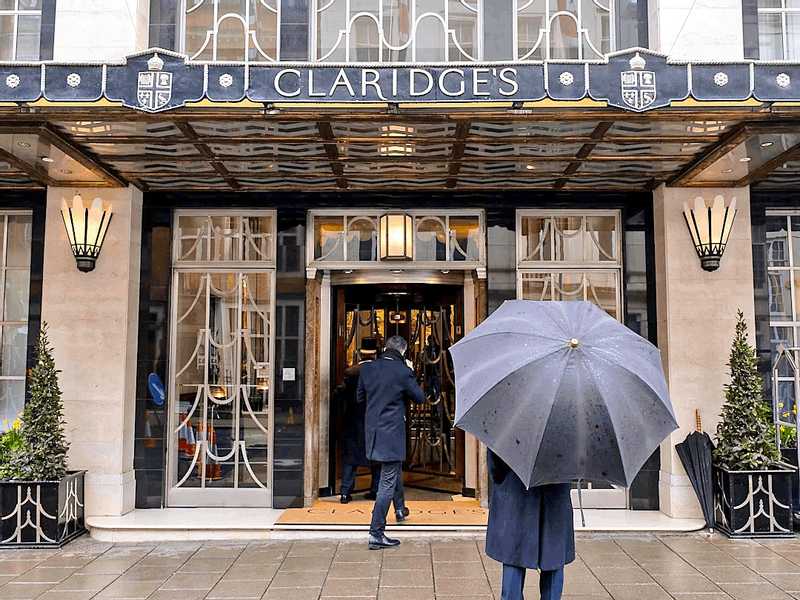
Waleed Mansour – A recent report published by the Financial Times stated that a decline in the number of visitors arriving in the United Kingdom from the Middle East has placed some of London’s most expensive hotels in difficulty in renting out their highest-priced rooms, threatening the momentum of the luxury hotel sector, which managed to withstand the slowdown affecting the broader luxury goods and services sector last year.
Booking Decline
VisitBritain said that bookings from the Middle East to the UK fell in March to about half of “normal” levels, immediately following the US-Israeli attack on Iran. The government-backed tourism body added that bookings from the region remained “significantly behind” levels recorded in the same month in 2025 through July.
New Alternatives
This decline has pushed companies operating in the luxury hotel sector to seek other markets to compensate for the drop in visitors from the Middle East, with the US market leading the way, alongside European and domestic markets. Mark Sokler, chief executive of Claridge’s parent company, told the Financial Times that the move to counter the slowdown from the Middle East included intensifying focus on the United States, which represents the largest source of guests for the group, as well as efforts to attract customers from other markets by highlighting different aspects of its brand, coinciding with the expansion of its international travel agency network.
The US Market
Regarding American guests, Maybourne prioritizes showcasing the “traditions and heritage” of its UK hotels, while simultaneously seeking to meet the desires of local customers to escape the pressures of daily life and obtain high levels of care and pampering, according to Sokler.
Compensating for the Decline
Sokler clarified that the group was “fortunately” able to compensate for the reduced activity from the Middle East with increased business from the UK, the US, and Europe. This shift in guest sources helped the group cope with the repercussions of the decline in bookings from the Middle East, and enabled the company to increase its revenues in the first half of 2026 compared to the same period last year, despite the downturn in visitor traffic from the region to the UK.
