Why did the United States delay the trial of Khalid Sheikh Mohammed for a quarter of a century?
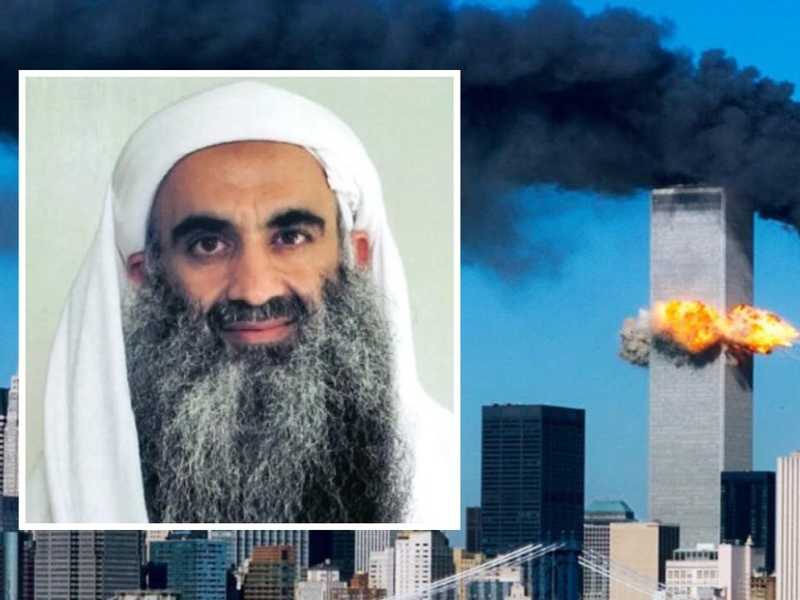
More than a quarter of a century after the fact, the case surrounding the September 11, 2001, attacks remains stalled, with a U.S. military judge setting June 5, 2028, as the start date for the trial of Khalid Sheikh Mohammed and four other defendants accused of planning the attacks. The date comes approximately 18 months after the prosecution’s request to begin the trial in January 2027. Colonel Michael A. Shrama of the U.S. Air Force stated that the additional time is necessary to resolve several pretrial issues, including disputes over what evidence can be presented in court.
Khalid Sheikh Mohammed is accused of orchestrating and directing the conspiracy to hijack the planes used in the attacks on the World Trade Center and the U.S. Department of Defense building, the Pentagon, while a fourth plane crashed in a field in Pennsylvania. Mohammed faces trial alongside Walid bin Attash, Ali Abd al-Aziz Ali, and Mustafa al-Hawsawi, who are among the last detainees held at the U.S. military base in Guantanamo Bay, Cuba.
Whether the trial can proceed on the scheduled date depends on adherence to pretrial procedural stages and deadlines, leaving open the possibility of further delays. The trial was previously set for 2021 before being canceled. Over more than two decades, the case has faced a long series of legal procedures and disputes, the most recent being the invalidation of a federal appeals court agreement that would have allowed Mohammed to plead guilty and avoid the death penalty. The agreement stipulated life sentences without the possibility of parole for Mohammed and two of his accomplices, along with requiring them to answer questions still posed by the families of the attack victims. The announcement of the agreement sparked angry political reactions before being rejected by the administration of former U.S. President Joe Biden, following two years of negotiations.
