Paleo: A diet that excludes grains and dairy
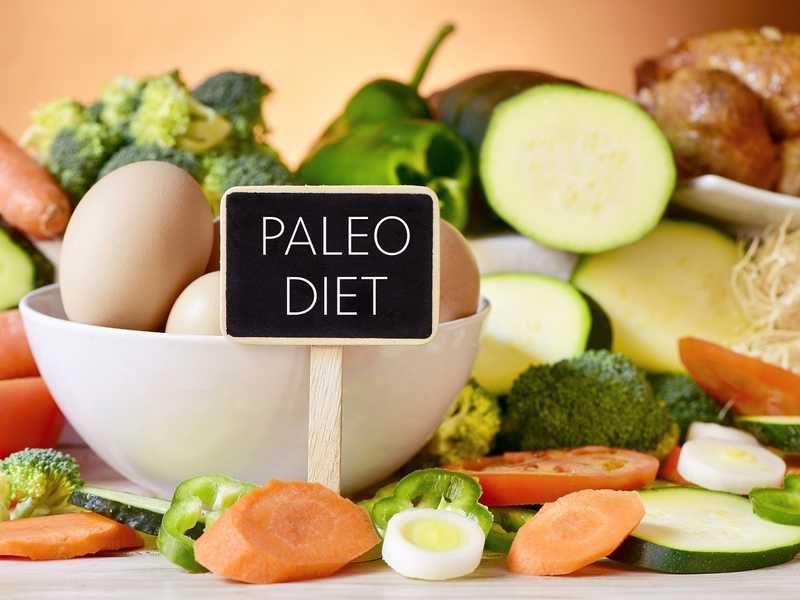
Reem Qasem – The “Paleo” diet has gained increasing popularity in recent years, especially on social media platforms. Inspired by the eating patterns of hunter-gatherers in ancient times, this diet emphasizes fresh, minimally processed foods. But is Paleo a suitable dietary choice for everyone? Nutrition specialist Marie Pihar outlines the key features of this diet and her observations on it, as published in the French magazine Notre Temps.
According to the expert, the Paleo diet is based on the idea that the human body is better adapted to handle foods that were available during the Stone Age, compared to food products that emerged with the development of agriculture. In practice, the diet focuses on meats, fish, eggs, vegetables, fruits, nuts, and seeds, while excluding grains (such as wheat, rice, oats, and corn), legumes, dairy products, and ultra-processed foods.
What foods are allowed? The Paleo diet emphasizes whole foods, primarily diverse vegetables, animal proteins, fruits, and natural oils, while excluding bread, pasta, rice, lentils, chickpeas, dairy products, and manufactured foods. Although this approach may seem strict, reducing processed foods and added sugars, along with relying more on home-cooked meals, may explain some of the benefits observed by some followers.
Who is it suitable for? This diet may be temporarily suitable for individuals seeking to regain control over their eating habits, provided they maintain overall balance. However, it is not suitable for people with high physical activity levels (such as athletes), the elderly, or those with special needs, due to its restrictive nature.
A typical Paleo meal plan:
- Breakfast: Herb omelet or scrambled eggs with vegetables (spinach, mushrooms, zucchini) and a piece of fresh fruit. Tea, coffee, or herbal tea without sugar.
- Lunch: A lean meat slice or grilled fish, a large portion of mixed vegetables (raw or cooked), sweet potato or root vegetables as a side dish. A drizzle of olive oil or flaxseed oil for seasoning.
- Snack (optional): A handful of nuts (almonds, walnuts, hazelnuts) or a piece of fresh fruit.
- Dinner: Fish or eggs, cooked vegetables (broccoli, carrots, pumpkin, leeks), and a small portion of root vegetables if needed. Simple spices, without manufactured sauces.
The specialist advises avoiding: bread, pasta, rice, legumes, dairy products, biscuits, ready-made meals, and sugary drinks.
Expert opinion: Marie Pihar, a specialist in gastrointestinal disorders and holder of a PhD in public health, clarifies that the concept of the “Paleolithic diet” is not as accurate as it is often presented today. Human ancestors did not follow a uniform diet; their eating patterns varied depending on regions, seasons, and available resources. Therefore, attempting to mimic a fixed Stone Age dietary model is closer to popular imagination than to scientific reality.
Pihar notes that reducing processed foods is an important dietary goal, but she warns against the strict exclusion of entire food groups. Abandoning grains, legumes, and dairy products may, in the long term, lead to reduced intake of fiber, calcium, and certain micronutrients, especially when the diet lacks diversity.
