6 Mistakes to Avoid When Using the Air Conditioner
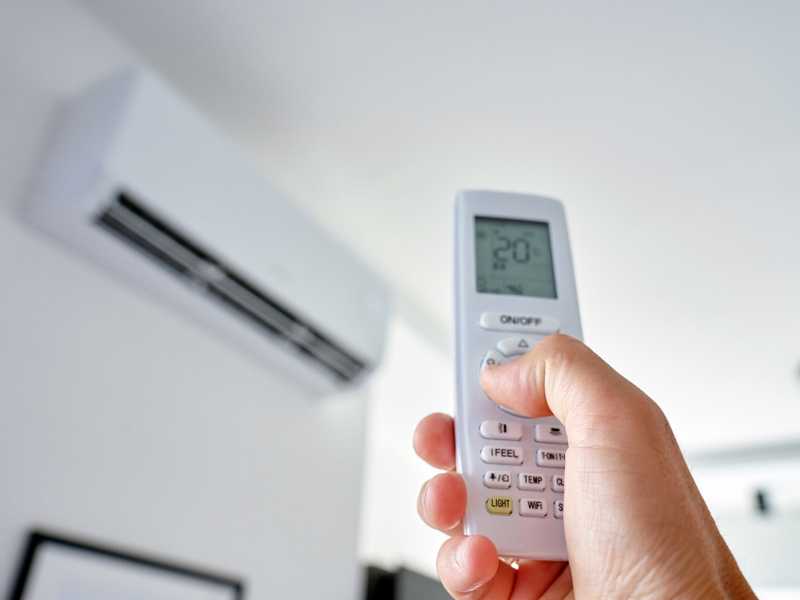
Reem Qasim – Improper use of air conditioning can cause health problems, especially if the temperature is set too low, if the unit has not undergone regular maintenance, or if it is placed in an unsuitable location. In an interview with Notre Temps magazine, general practitioner Dr. Marise Zaleski-Zamnhoff outlines the most common mistakes to avoid in order to benefit from air conditioning and maintain body coolness safely:
1. Setting it to an extremely low temperature when it is very hot outside. When the weather becomes very hot, we often tend to lower the air conditioner’s temperature to the minimum level. However, this is not a good choice. Dr. Marise Zaleski-Zamnhoff says: “We tend to set the air conditioner to a very high temperature, but it is better to keep the temperature between 25 and 26 degrees Celsius. If we suddenly move from a high outdoor temperature to 20 degrees Celsius indoors, the body is forced to constantly adapt, which can contribute to muscle tension, headaches, and feelings of fatigue. The goal is to feel comfortable, not excessively cold.”
2. Directing the airflow straight at you. We often tend to sit directly in front of the air conditioner to cool down quickly. However, this is not recommended. The expert explains: “Cold air can cause dryness of the eyes and throat, muscle spasms, especially in the neck, or even coughing. Therefore, it is better to direct the airflow toward the ceiling or a wall rather than directly at people.” On the other hand, do not assume that the air conditioner makes you sick; it does not transmit viruses. What causes discomfort is the sudden drop in temperature.
3. Neglecting air conditioner maintenance. This is rarely considered, even though maintaining the air conditioner is no less important than setting its temperature. Dust, pollen, mold, and sometimes bacteria accumulate in neglected air conditioners, which can contribute to allergies, worsen asthma, or increase the risk of certain respiratory infections. Therefore, the general practitioner advises cleaning the filters every three to four weeks during periods of use.
4. Frequent transitions between heat and cold. Frequently moving between extreme heat and an air-conditioned environment puts stress on the body. With each sudden change in temperature, the body must adjust blood circulation and sweating to maintain a stable internal temperature. In healthy individuals, this usually causes fatigue and discomfort. For older adults, young children, or people with cardiovascular or respiratory diseases, these changes can place greater stress on the body.
5. Keeping windows closed for several consecutive days. Having an air-conditioned home does not mean you should keep your windows closed all the time. The expert advises: “Even when using an air conditioner, it is important to ventilate the home. It is best to ventilate it early in the morning or late in the evening, when temperatures are lower, and avoid opening windows during peak heat hours.”
6. Sleeping with the air conditioner set to an extremely cold temperature. At night, an air conditioner can help you sleep better during heatwaves, provided you do not overuse it. It is preferable to avoid sleeping in a room that is excessively cold. The ideal temperature ranges between 24 and 26 degrees Celsius. If the unit has a night mode or timer function, it is best to use it, just as during the day. You should also avoid directing the airflow directly toward the bed.
