Sleeping to the sound of the TV or a podcast: A habit with significant harms
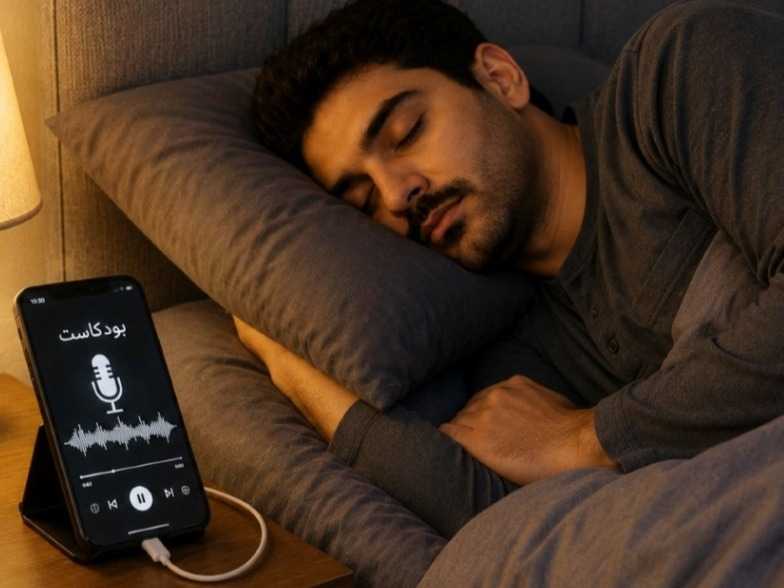
Sleeping to the sound of the television or a podcast has become common for many in recent years, with some people unable to fall asleep without background noise. However, a recent study conducted by a research team in the German city of Freiburg suggests that this habit may have negative effects on sleep and the consolidation of new memories. According to the research team led by neuropsychologists Professor Monika Schönherr and Dr. Nora Riest, playing random sounds during sleep can impair the consolidation of new memories by disrupting deep sleep and affecting the propagation of slow brain waves. These slow waves are a crucial element in memory formation, as they help facilitate information exchange between different regions of the brain. The study showed that random sounds cause these waves to occur less frequently and spread in a more disorganized manner.
The study involved participants who underwent testing on two separate days. On one of the test days, participants listened to random sounds consisting of a series of light clicks while sleeping, while on the other day, they slept in silence. The results showed that the sounds did not significantly reduce total sleep duration, but they altered sleep architecture. Participants spent noticeably less time in deep sleep and more time in lighter sleep stages. Researchers found that slow brain waves became less frequent and reached fewer brain regions, and this disrupted propagation of slow waves was specifically associated with significantly poorer performance on memory tests after waking up.
The study clarifies that memory formation depends not only on the occurrence of slow brain waves but also on how they propagate across different brain regions, a process that was affected by random sounds during sleep. These findings suggest that exposure to sounds during sleep may disrupt important brain processes related to deep sleep and the consolidation of new information.
