Foods That Cause Yellowing and Staining of Teeth
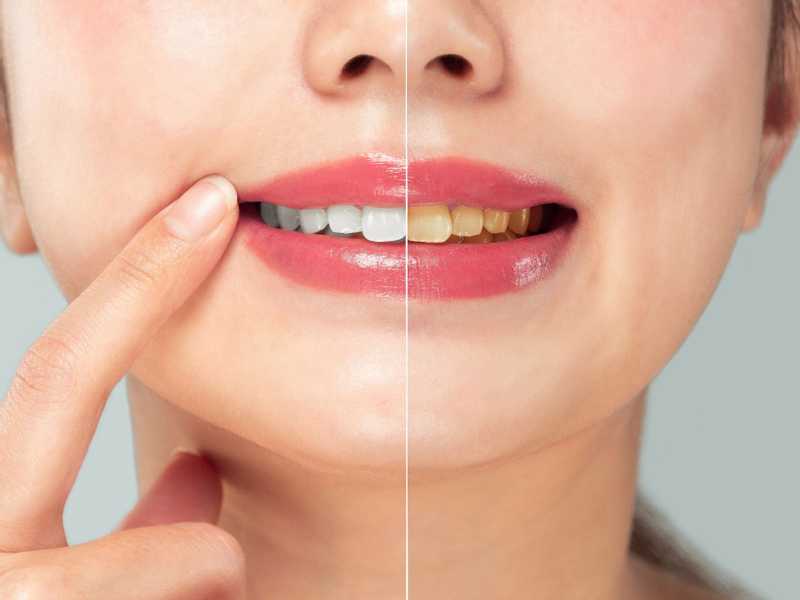
Reem Qasim: When we talk about yellowing teeth, coffee, tea, and other stimulants come to mind. However, other foods that rarely cross our minds can leave stains on tooth enamel. Dentist Carla Fornas warns, in an interview with Journal de Fam, about several such items that abound in many of our refrigerators and are present on our tables. Natural tooth color varies from person to person, and tooth enamel is not originally pure white. Over time, certain habits can change its color and accelerate the appearance of stains. While tobacco is a clear and major cause, diet also plays an important role. Fornas warns: “If you consume these beverages frequently, they will cause your teeth to yellow. Coffee and tea are among the most well-known, but some brightly colored fruits, such as blackberries and raspberries, can also contribute to this phenomenon, as can strongly pigmented spices like turmeric. Acidic foods also lead to tooth yellowing—according to the expert—because acids help pigments penetrate the enamel layer. The more frequent the exposure, the greater the staining. Additionally, consumption frequency, oral hygiene, and the natural characteristics of teeth also play a role. There is a category whose impact on tooth color is often underestimated, including heavily pigmented sauces such as ketchup. These are products we find on our tables daily, sometimes several times a week. According to the dentist, ketchup contributes to tooth yellowing because it combines a strong color with an acidic composition containing vinegar. The same logic applies to some sauces, such as barbecue or teriyaki, which are dark in color. Therefore, adding these sauces to your meals daily contributes to tooth yellowing, even though we rarely think about it. Should we avoid these foods? “Of course not,” says Dr. Fornas. The key, as always in nutrition, is moderation. Therefore, avoid consuming these sauces daily, as they are harmful to your teeth and overall health. The dentist recommends rinsing your mouth with water for 30 seconds after eating foods that cause tooth yellowing. This helps remove food residues and reduces the duration that pigments remain on the teeth. Regarding some beverages that may cause enamel discoloration, the dentist suggests using a straw to minimize contact. There is no need to brush your teeth immediately after consuming acidic foods. In fact, after acid exposure, it is better to wait before brushing your teeth to allow saliva sufficient time to naturally neutralize the acidity in the mouth.
