Pomegranate, berries, and walnuts support heart health
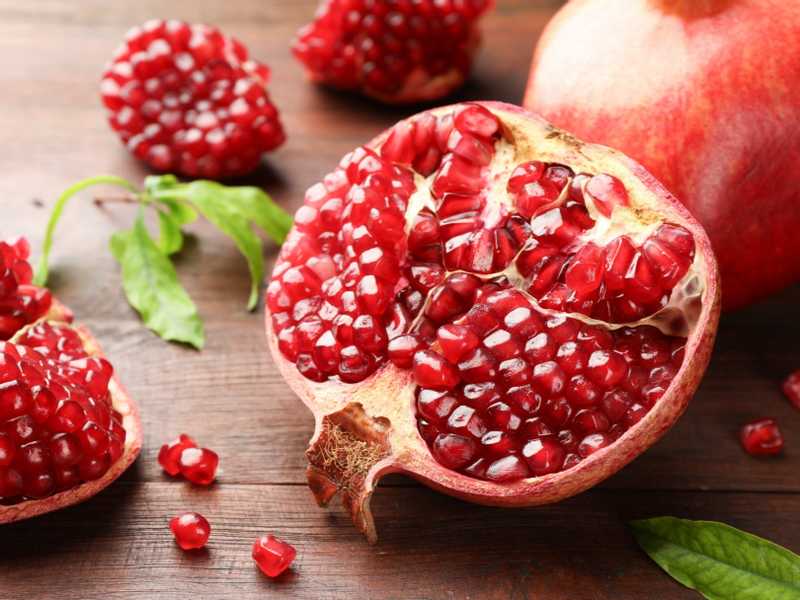
Nour Nour El-Din: A recent study published in the journal Science Advances shows that a natural compound known as urolithin A may help improve heart function and reduce myocardial stiffness in experimental models of a common type of heart failure. This compound is produced in the gut when certain types of bacteria convert plant compounds found in foods such as pomegranates, berries, and walnuts, highlighting a potential role for nutrition and the gut microbiome in supporting heart health.
Interestingly, urolithin A is not a substance we obtain directly from pomegranates. Some foods, including pomegranates, strawberries, blackberries, raspberries, walnuts, and pecans, contain plant compounds called ellagitannins. When these compounds reach the intestines, certain bacteria can convert them into urolithin A. This means that the amount of the substance produced by the body may vary from person to person, depending on the composition of their gut microbiome.
How can it help the heart? Researchers used an animal model of heart failure, in addition to human heart tissue engineered in the laboratory using human stem cells. The results showed that urolithin A helped reduce myocardial stiffness and improve the heart’s ability to relax. The findings in animal models were striking: treatment with urolithin A improved some indicators of heart function by up to 80% compared with untreated animals. Experiments on human heart tissue further supported these results, as the compound helped the tissue relax more effectively.
Food, the microbiome, and the heart: The study reveals an important aspect of the relationship between nutrition and heart health. The intestines are not merely an organ for digesting food; they harbor trillions of microorganisms capable of converting certain food components into active molecules that affect distant organs, including the heart. For this reason, nutrition experts emphasize that the current message is not to consume large quantities of pomegranates as a “heart cure,” but rather to incorporate a diverse range of plant-based foods into a balanced diet. The compounds that the microbiome uses to produce urolithin A can be obtained from pomegranates, berries, strawberries, walnuts, pecans, and other plant sources.
A cautious step, not yet a treatment: The significance of the study lies in its revelation of a new pathway that may help address one of the fundamental problems in the future: myocardial stiffness and impaired relaxation. However, the road from the laboratory to clinical treatment is long. What works in animals or engineered human tissue does not necessarily succeed in patients. Appropriate dosages, safety, and long-term effects must still be determined.
