Common Middle-Aged Mistakes That Raise Blood Pressure
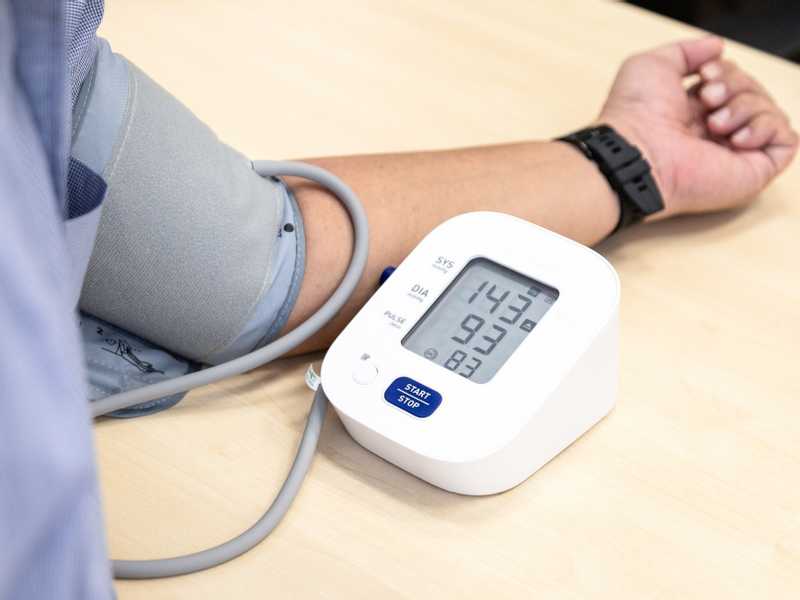
Dr. Wala’a Hafiz: High blood pressure is one of the most prominent risk factors for heart disease and stroke, despite often causing no obvious symptoms. Many people do not discover they have it until it begins to affect the blood vessels supplying the heart, brain, and kidneys. It affects approximately one-third of adults in the United Kingdom alone, or nearly 16 million people. The good news is that simple lifestyle changes can help reduce the risk of high blood pressure and manage it effectively. According to a report published by The Telegraph, five leading cardiologists outline the most common mistakes made by middle-aged individuals, along with simple, practical steps that can make a tangible difference.
01 Ignoring severe snoring
Blood pressure and heart rate typically drop by about 10% to 20% during sleep, giving the heart and blood vessels a chance to rest and recover. However, severe snoring and obstructive sleep apnea can disrupt this natural decline due to airway obstruction, oxygen deprivation, and repeated awakenings. Dr. Teresa Castillo, a cardiology consultant and founder of MIAL Healthcare, explains that sustained high blood pressure and heart rate at night can increase the risk of developing hypertension and other health issues, including heart failure and dementia. She emphasized the importance of checking for severe snoring and not dismissing it as a normal part of aging. Obstructive sleep apnea can be largely treated using devices that keep the airway open, such as Continuous Positive Airway Pressure (CPAP) machines, alongside lifestyle changes like weight loss and adjusting sleep positions for some individuals. Regular treatment of sleep apnea can help lower blood pressure and reduce strain on the cardiovascular system over time.
02 Measuring blood pressure only on weekends
Some people experience a temporary rise in blood pressure at the doctor’s office due to anxiety, while their readings may also rise during workdays due to stress and daily pressures. Dr. Ali Khavandi, a consultant in interventional cardiology at the Royal United Hospital Bath, notes that relying solely on weekend or evening measurements may present an “ideal scenario,” masking stress-related spikes. Therefore, he recommends measuring blood pressure at home over several days and at different times to accurately identify patterns and assess the impact of daily stressors on cardiovascular health.
03 Believing exercise prevents high blood pressure
Some believe that regular exercise and a healthy diet keep them safe from high blood pressure, but this is not always true. Dr. Teresa Castillo points out that aging can contribute to rising blood pressure even in healthy, active individuals, despite the benefits of a healthy lifestyle. Dr. Nabila Laskar also notes that the decline in estrogen during menopause can make blood vessels stiffer and less able to relax, potentially leading to high blood pressure even in healthy, active women. Reducing salt intake, maintaining a healthy weight, and walking briskly for 150 minutes a week can help manage this risk.
04 Dismissing mild high blood pressure
A blood pressure reading of 125/85 mmHg may not seem concerning, but it does not necessarily mean there is no risk. Dr. Teresa Castillo explains that ignoring slightly elevated readings is a common myth. Dr. Gousia Wamil, a cardiology consultant at Mayo Clinic Healthcare and The Manor Hospital, points out that these readings may be associated with an increased long-term risk of cardiovascular disease, especially when combined with other factors such as age, family history, smoking, overweight, or diabetes. The good news is that this stage offers an opportunity for intervention; improving diet, exercising regularly, and maintaining a healthy weight can help prevent hypertension from worsening and reduce the future risk of cardiovascular disease.
05 Overlooking hidden salt in foods
When thinking of salty foods, most of us know the obvious sources: bacon, potato chips, ready meals, and adding salt at the table. However, many everyday foods, including some with a healthy reputation, may also contain surprising amounts of salt, according to Dr. Wamil. Canned soups, whole-grain bread, breakfast cereals, and some low-fat cheeses, including feta and reduced-fat cheddar, as well as smoked fish like herring and smoked salmon, can all contain high levels of sodium, the main component of salt. Manufacturers often add sodium to help preserve food and enhance its flavor. Dr. Wamil says that consuming excessive salt over time can “cause the body to retain more water, increasing total blood volume and forcing the heart to work harder to pump blood, alongside stiffening of the blood vessel walls.” The best way to address this risk is to pay closer attention to the foods you consume regularly. British guidelines recommend that adults consume no more than 6 grams of salt per day, which is roughly one teaspoon.
06 Ignoring the impact of high blood pressure on the brain
Many people believe that high blood pressure is primarily a heart problem. However, sustained high blood pressure can also damage the brain, increasing the risk of stroke, cognitive decline, and dementia. Dr. Khavandi compares undiagnosed high blood pressure to “leaving a tap running, letting it drip in the background for a long time.” Over time, this constant pressure can silently damage the small blood vessels that supply the brain. He explains: “This vascular damage contributes to vascular dementia and is linked to an increased risk of Alzheimer’s disease.” Although some of this damage may be irreversible, the good news is that controlling blood pressure can significantly reduce the risk of stroke and is associated with a lower risk of cognitive decline over time.
Conclusion
Ultimately, preventing high blood pressure remains possible through simple steps, the most important of which are maintaining a healthy weight, engaging in physical activity, following a balanced diet, reducing salt intake, getting good sleep, and monitoring blood pressure regularly.
