Kuwait a Leading Model in Humanitarian Work
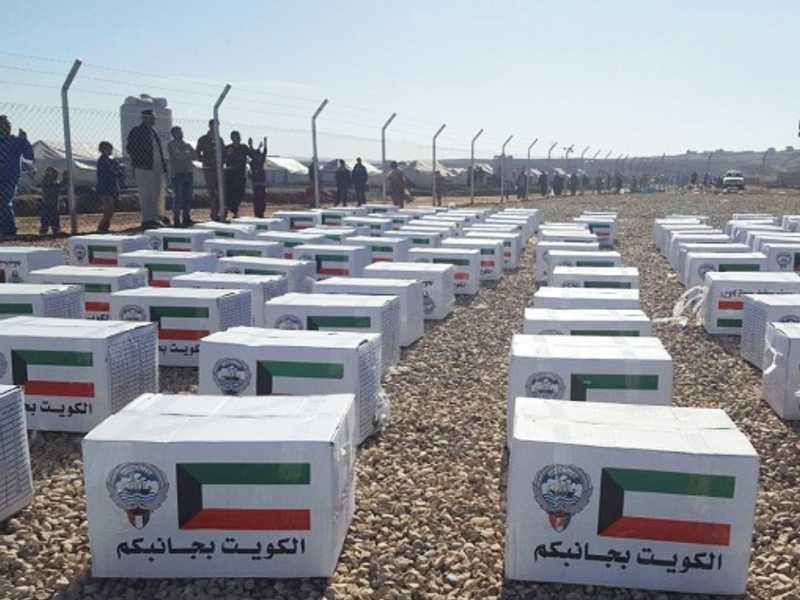
Kuwait joined the world in commemorating World Humanitarian Day yesterday (Wednesday), which is observed annually on August 19, in solidarity with those affected by crises around the globe and to provide humanitarian ass
Translated by Qiyas from القبس — Original source
Kuwait joined the world in commemorating World Humanitarian Day yesterday (Wednesday), which is observed annually on August 19, in solidarity with those affected by crises around the globe and to provide humanitarian assistance to all in need. This year’s campaign, led by the United Nations Office for the Coordination of Humanitarian Affairs (OCHA), is based on a core message with the slogan “End the Anxiety… Time to Enforce Consequences for Violations,” aiming to respect and protect civilians and humanitarian and medical personnel, and to facilitate the delivery of humanitarian aid to those in need.
Over the past decades, Kuwait, under the guidance and support of its wise leadership, has provided generous assistance to numerous countries through its government entities and civil society organizations, hosting dozens of conferences and events dedicated to reconstruction efforts and providing aid to communities. In recognition of the efforts of the Kuwaiti government and people in supporting and standing with the peoples of the world and alleviating their suffering, the United Nations honored Kuwait on September 9, 2014, by designating it as a Humanitarian Hub. It also honored the late Emir, Sheikh Sabah Al-Ahmad Al-Jaber Al-Sabah (may God have mercy on him), by naming him a Leader in Humanitarian Action.
True to its conviction regarding the importance of humanitarian work, Kuwait has placed it at the forefront of its priorities through its continuous commitment to supporting the United Nations and its affiliated organizations, particularly the Office of the United Nations High Commissioner for Refugees (UNHCR). Kuwait has made substantial contributions to UNHCR, becoming its largest supporter at both the regional and international levels over the past decade.
In late last month, the Cabinet approved a draft law decree to issue a law regulating charitable and humanitarian work. The legislation aims to unify and organize charitable and humanitarian activities in Kuwait within a modern legal framework that enhances governance and transparency, regulates the roles of relevant entities, and institutionalizes work in the charitable and humanitarian sectors.
In May 2024, during a meeting with UN Secretary-General António Guterres, His Highness the Amir of Kuwait, Sheikh Meshal Al-Ahmad Al-Jaber Al-Sabah, reaffirmed Kuwait’s commitment to continuing its established approach in supporting global humanitarian efforts. Mr. Guterres praised Kuwait’s pioneering initiatives in this field.
Kuwait provides numerous contributions to countries and regions suffering from wars, disasters, and various crises through various government entities, public benefit associations, and the private sector, including the Kuwait Fund for Arab Economic Development, the Kuwait Association for Humanitarian Relief, the Sickness Assistance Fund, and the Kuwait Red Crescent Society.
**Ministry of Foreign Affairs: Humanitarian Workers Must Be Protected**
The Ministry of Foreign Affairs expressed Kuwait’s appreciation for the vital role played by humanitarian organizations and the significant contributions made by humanitarian workers, who strive to deliver aid to those entitled to it, save lives, and alleviate the suffering of victims of conflicts and disasters worldwide.
In a statement marking World Humanitarian Day, observed annually on August 19, the Ministry recalled with utmost respect and admiration the sacrifices made by humanitarian workers. It emphasized the necessity of strengthening their protection, ensuring their security and safety, and enabling them to carry out their humanitarian duties safely, while guaranteeing the secure and rapid delivery of humanitarian aid to those in need without obstacles.
