Testosterone Replacement Therapy: When Does It Become an Appropriate Option?
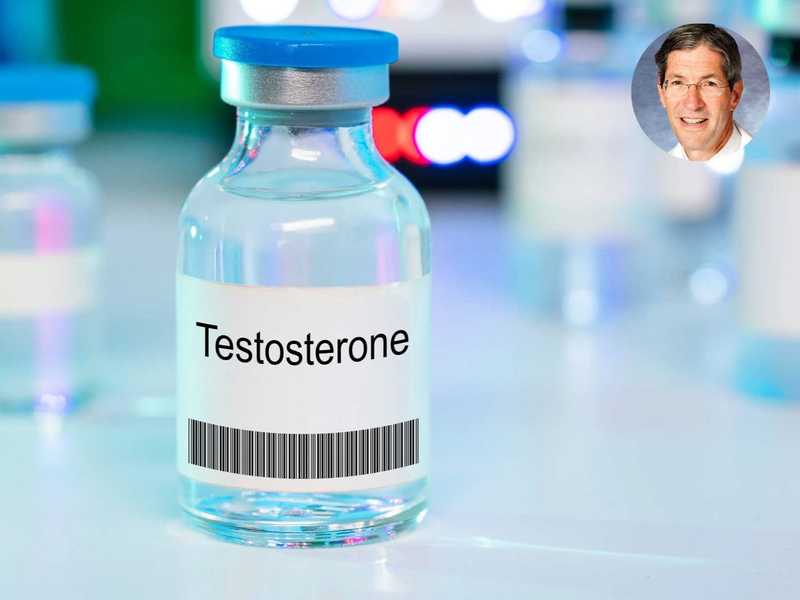
Dr. Wala’a Hafez – With advancing age, men’s bodies undergo hormonal changes that can affect energy levels, physical capacity, and overall health. Among these changes, declining testosterone levels have attracted growing attention in the medical community. While some men turn to testosterone replacement therapy (TRT) to alleviate symptoms associated with low testosterone, its use continues to spark medical debate regarding its benefits, risks, and the patient groups most likely to benefit. What does low testosterone mean for men’s health? When does treatment become necessary? And could TRT become an option for a broader segment of men?
According to a report from Harvard University, reviewed by Dr. Mark P. Garneky, Professor of Medicine at Harvard Medical School, millions of men are already undergoing testosterone replacement therapy to mitigate symptoms linked to low testosterone, most notably chronic fatigue. In a development that may expand the scope of this treatment, the U.S. Food and Drug Administration (FDA) is moving to introduce significant changes to the information and guidelines associated with its use, potentially opening the door for more men to benefit from it.
**A Fundamental Hormone**
Testosterone is primarily produced in the Leydig cells of the testes and plays a crucial role in maintaining muscle mass, energy, and physical capacity, alongside other functions related to men’s health. Its levels gradually decline with age, at a rate of approximately 1% to 2% per year after age 30. When testosterone levels fall below the normal range, accompanied by symptoms associated with this decline, a man may be diagnosed with hypogonadism. In such cases, testosterone replacement therapy may be considered as one of the options to alleviate symptoms.
Treatment is available in various forms, including gels, patches, and injections. However, its use has been the subject of debate for years due to safety concerns. In 2014, the FDA warned of potential risks associated with its use on cardiovascular health, before subsequent studies contributed to a re-evaluation of these concerns. Dr. Mark Garneky notes that low testosterone may be accompanied by symptoms such as decreased libido, weakness, fatigue, reduced energy, and mood changes or depression. However, these symptoms vary from man to man and may have other causes unrelated to hormones, such as sleep disorders. He emphasizes that replacement therapy does not necessarily yield the same degree of improvement in all men; therefore, the decision to use it should be based on confirmed low testosterone levels and the presence of associated symptoms, following physician evaluation and discussion of potential benefits and risks.
**Side Effects**
The changes regarding labeling for testosterone replacement products were based on results from the TRAVERSE clinical trial, which showed no increase in the risk of major cardiovascular events among men with hypogonadism who used the treatment, compared to placebo. However, the study noted an increase in the rates of certain side effects among testosterone users, including atrial fibrillation, acute kidney injury, and pulmonary embolism. In light of the trial’s findings, the FDA requested that manufacturers remove warnings regarding increased risks of heart attacks and strokes from testosterone product labels.
**Additional Warnings**
At that time, the FDA proposed adding a new warning to some testosterone products regarding the potential for treatment-related high blood pressure. This year, the agency proposed additional modifications, including the removal of statements indicating that the safety and efficacy of testosterone replacement therapy have not been established in men with age-related hypogonadism. Conversely, the agency will continue to emphasize that testosterone should not be used in men with metastatic prostate cancer.
**Cases Requiring Caution**
Dr. Garneky highlighted the need for caution when initiating testosterone replacement therapy in certain men, following the TRAVERSE study’s revelation of increased rates of concerning side effects, most notably atrial fibrillation, acute kidney injury, and blood clots in the lungs (pulmonary embolism). Some patients experiencing these complications may have pre-existing platelet or coagulation disorders, which could increase the risk of clotting.
**Important Message**
The FDA recommended updating warnings for testosterone replacement therapy related to benign prostatic hyperplasia (BPH), based on evidence suggesting that the treatment may be used in men with mild to moderate symptoms, while advising against its use in those with severe symptoms.
