How was a plot to assassinate Trump with a shoulder-fired missile in Turkey thwarted?
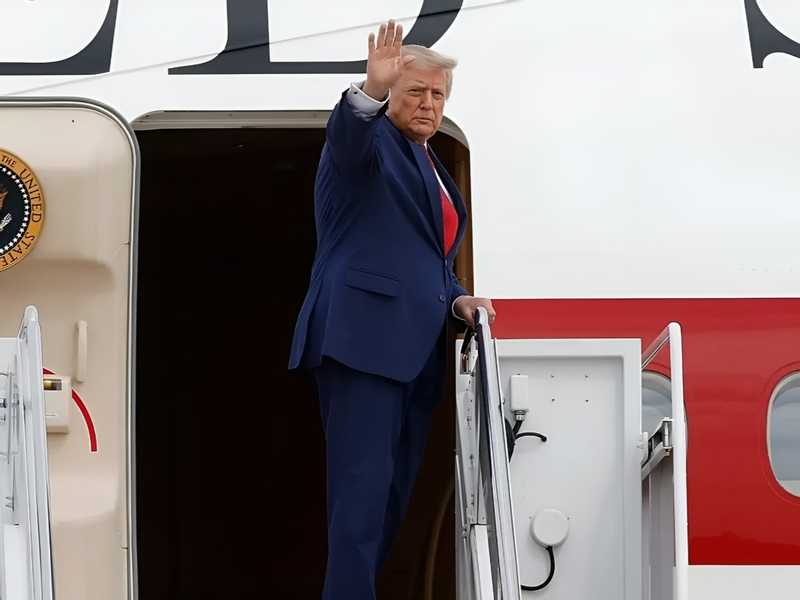
U.S. media reports have revealed details of a secret and exceptional security operation carried out during former U.S. President Donald Trump’s departure from Turkey last month, following the interception of a credible Iranian threat to target him or his aircraft with a shoulder-fired missile. This prompted security agencies to devise an urgent plan to extract him from the country without drawing attention.
According to The Washington Post, the covert deception operation began after a specific threat was issued against Air Force One on the final day of the NATO summit in Turkey, amid concerns that Trump’s life would be at risk if he departed on his usual presidential aircraft or on the Qatari-provided plane that had transported him to the summit.
Under the plan, Trump was seen on camera boarding the older presidential aircraft, creating the impression that he would leave Turkey on board. However, he was secretly transferred minutes later to a C-32A military aircraft. A food truck served as the means of transport, moving Trump and several of his aides from the presidential plane to the military jet. The truck was raised hydraulically to align with the aircraft and stopped at a door on the opposite side of the plane’s entrance.
The military aircraft departed with the U.S. president, replacing the usual presidential flight. Meanwhile, the older presidential plane left Turkey without journalists or some White House staff realizing that Trump was not on board, effectively turning it into a decoy or security bait.
As journalists boarded the older presidential plane, White House staff instructed them to close the window blinds. Several senior administration officials, including Secretary of State Marco Rubio and Treasury Secretary Scott Bessent, remained on board, according to reports from The Wall Street Journal and NBC News.
The two aircraft landed at RAF Mildenhall in the United Kingdom within minutes of each other. Trump then reappeared as he disembarked from the presidential aircraft, in an effort to maintain the narrative that he had been on board for the entire journey.
The threats against Trump were relayed from Tel Aviv to Washington a day after the resumption of strikes on Iran. CNN reported that Israel shared intelligence with the United States indicating that Iran had devised a new plan to assassinate Trump. However, some U.S. officials expressed skepticism about the Israeli information at the time, suggesting it might be part of a broader effort to influence Trump’s decisions regarding Iran.
A U.S. official stated that a credible Iranian-related threat triggered the “decoy operation,” noting that the precision of the intelligence regarding Trump’s arrangements in Turkey raised additional concerns among officials, particularly because the threat appeared highly specific.
During his final day at the summit, Trump appeared preoccupied with the threats against his life, discussing them repeatedly with journalists. After the details of the operation were revealed, Trump claimed that the aircraft he actually boarded was “at greater risk,” believing it was the plane most likely to be targeted by attackers. When asked why he had instructed journalists to close the window blinds on the plane in Turkey, Trump replied, “Because you might have been on a dangerous flight,” adding that he faces a threat to his life “all the time” and ranks first on Iran’s list. He then addressed reporters, saying, “But if I go, you go too, right?”
According to a Secret Service official, officials at the time believed exceptional measures were necessary to protect the president, marking the first time during Trump’s presidency that such a decoy operation was used.
The operation later raised concerns among accompanying journalists, who realized they had been unwittingly part of the security plan. This prompted the White House Correspondents’ Association to urge the Trump administration to establish protocols for handling exceptional security circumstances, while reaffirming that the protection and safety of the president remain the top priority.
