King Salman: Mecca Agreement Entrenches Long-Term Defense Partnership
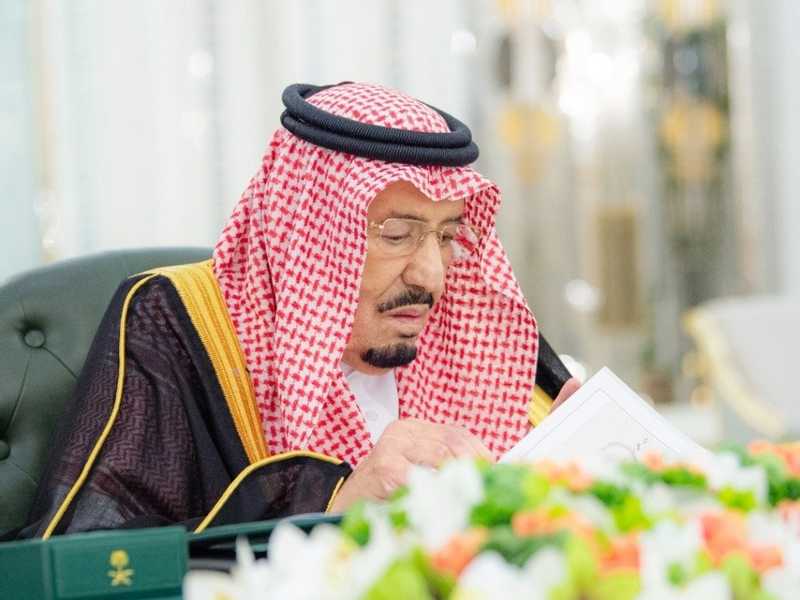
His Majesty King Salman bin Abdulaziz Al Saud, Custodian of the Two Holy Mosques, today on Tuesday praised the outcomes of the Jeddah Joint Defense Summit, which have helped consolidate a framework for a long-term defens
Translated by Qiyas from القبس — Original source
His Majesty King Salman bin Abdulaziz Al Saud, Custodian of the Two Holy Mosques, today on Tuesday praised the outcomes of the Jeddah Joint Defense Summit, which have helped consolidate a framework for a long-term defense partnership that will contribute to enhancing the trajectory of joint cooperation, coordination, and integration among Saudi Arabia, Turkey, and Pakistan. He emphasized the continuation of efforts aimed at addressing regional challenges and safeguarding international security and stability, thereby supporting the aspirations of the peoples of the region and the world for a more prosperous and thriving future.
The Saudi Press Agency (SPA) quoted Minister of Education and Acting Minister of Media, Youssef Al-Benyan, in a statement released following a Saudi Cabinet meeting chaired by the Custodian of the Two Holy Mosques in Jeddah.
SPA reported that at the outset of the session, the Custodian of the Two Holy Mosques extended his thanks and appreciation to Saudi Crown Prince and Prime Minister Mohammed bin Salman, Turkish President Recep Tayyip Erdogan, and Pakistani Prime Minister Muhammad Shehbaz Sharif for their blessed and successful efforts at the Jeddah Joint Defense Summit. The summit underscored the deep, entrenched historical relations among the three countries and their continuous pursuit of strengthening bonds of Islamic brotherhood and solidarity, as well as serving shared strategic interests.
SPA noted that the Council welcomed the statement issued by members of the UN Security Council, which condemned the terrorist attacks and criminal acts by Houthi militias that threaten regional security and freedom of maritime navigation. The Council reaffirmed the Kingdom’s right to defend its security and assets, its steadfast support for the legitimate Yemeni government, and its backing of UN efforts aimed at achieving peace and stability in Yemen.
The Saudi Cabinet commended the steps taken at the ministerial meeting to support Jerusalem and its holy sites, which was held in the Jordanian capital, Amman. In this context, it reiterated its firm rejection of all attempts to alter the legal and historical status of Jerusalem or infringe upon its identity, calling on the international community to halt Israeli occupation violations in the Gaza Strip and the West Bank, protect holy sites, and support the resilience of the brotherly Palestinian people.
For its part, the Council affirmed that hosting the fourth edition of the UNESCO Global Forum on AI Ethics in Riyadh next September reflects the Kingdom’s advanced standing in supporting multilateral global dialogue on emerging technologies and its firm commitment to promoting the responsible and ethical use of artificial intelligence, thereby contributing to building a more inclusive and sustainable digital future.
