Supervisory Front to Crack Down on "Foodstuff Thieves"
Faisal Matar Attempts to smuggle subsidized foodstuffs out of Kuwait have ceased to be merely isolated incidents linked to vehicles crossing border checkpoints. Following a series of seizures between 2024 and 2026, autho
Translated by Qiyas from القبس — Original source
Faisal Matar
Attempts to smuggle subsidized foodstuffs out of Kuwait have ceased to be merely isolated incidents linked to vehicles crossing border checkpoints. Following a series of seizures between 2024 and 2026, authorities uncovered more organized routes that sometimes begin with the collection, storage, and repackaging of goods, ending with attempts to export them via trucks and border crossings.
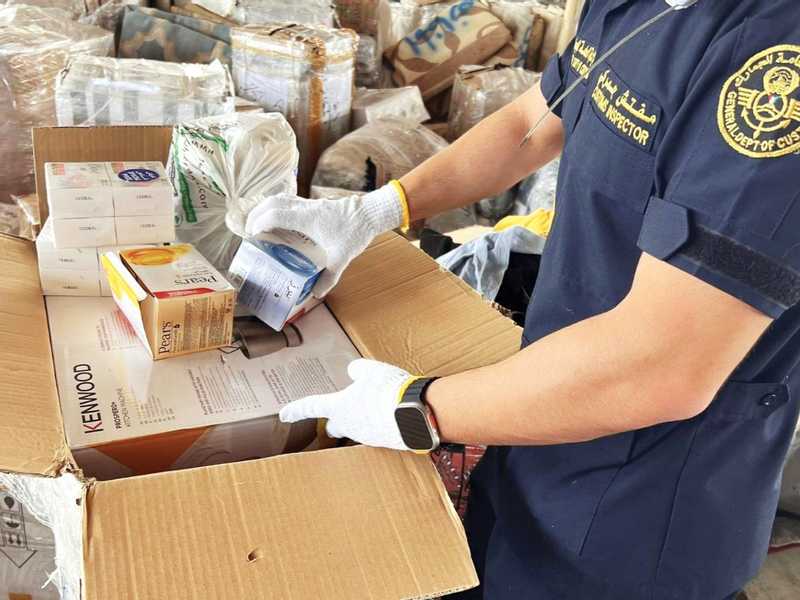
In response to these smuggling methods, the scope of surveillance has expanded to include monitoring warehouses, tracking smuggling networks within the country, and intensifying inspections at checkpoints. This is accompanied by government measures to regulate subsidies and track the movement of subsidized goods. The latest seizure in August brought the foodstuff smuggling file back to the forefront, after inspectors from the General Customs Administration’s Al-Salimiyah and Shab Al-Khadra customs departments thwarted an attempt to smuggle large and diverse quantities of foodstuffs hidden inside commercial trucks bound for the Arab Republic of Egypt.
Inspections led to the seizure of the trucks and the contraband, the drafting of seizure reports, and the referral of the incident and the perpetrators to the competent authorities for legal action. This operation reflects a shift in smuggling attempts from small quantities to the exploitation of commercial transport to conceal goods within shipments destined for abroad.
**A Recurring Pattern**
The latest seizure is not an isolated event but part of a series of operations witnessed in the country recently. In May 2026, customs thwarted an attempt to smuggle a large shipment of subsidized and prohibited-to-export foodstuffs through the Al-Salimiyah checkpoint, with the seized goods handed over to the Ministry of Commerce. Months earlier, in January 2026, a seizure revealed a broader smuggling route. Inspectors at the Al-Salimiyah checkpoint referred a departing vehicle found with hidden subsidized goods, leading investigators to a warehouse run by a network that collects and prepares foodstuffs for sale and smuggling out of the country.
The Al-Salimiyah checkpoint also saw the thwarting of another large-scale smuggling attempt in December 2025. This followed government directives in November of the same year to tighten surveillance and prevent the exit of subsidized foodstuffs through land, sea, and air borders. A seizure in October 2024 revealed another dimension of the phenomenon, as the Criminal Security Sector arrested a gang in possession of approximately 22 tons of subsidized foodstuffs, including rice, sugar, and milk, which had been stored and prepared for transport and smuggling abroad. This constituted one of the most prominent seizures announced during the monitored period.
The nature of these operations shows that smuggling methods are not uniform. They range from vehicles carrying hidden goods and commercial trucks to warehouses used as collection points to assemble and prepare goods before transport. Some methods involve unloading subsidized products—such as rice, milk, and oils—and repackaging them into different commercial bags or containers to conceal their true origin from checkpoint inspectors. In several land border seizures at Al-Salimiyah and Al-Nuwaybisah, the quantities in a single attempt ranged, according to available information, to around 1,000 cans of subsidized milk and 400 to 500 bottles of oil, along with dozens of bags of rice and flour, with each bag weighing up to 50 kilograms.
**Economic Motives**
Throughout 2025, seized goods amounted to tens of thousands of containers and various commodities, with quantities estimated in the tens of tons, reflecting the continued attempts to exploit the subsidy system and divert subsidized goods from their intended beneficiaries. The primary economic driver of these attempts remains the price difference between the subsidized price within Kuwait and the selling price of the goods in foreign markets. The subsidies intended for eligible citizens are converted into an illegal profit margin, linking the issue as much to the protection of public funds as to violations of export regulations.
The importance of strict surveillance becomes clear when considering the volume of funds allocated to basic food items. Subsidies provided to these items reached approximately 77.51 million dinars in the first half of 2026, compared to 77.59 million dinars during the same period last year, with foodstuffs accounting for 54% of total subsidy expenditures.
From the seizure of 22 tons in a single warehouse, to repeated attempts via Al-Salimiyah and Al-Nuwaybisah, and culminating in the trucks seized in August bound for Egypt, the facts outline a confrontation strategy that no longer focuses solely on seizing goods at the borders. It extends to the source of collection, the movement of subsidies, and the methods of repackaging. These successive operations reflect a shift in surveillance from treating each incident individually to tracking the collection, storage, and transport chains, thereby narrowing the scope for networks attempting to exploit price differences and turn subsidized goods into illegal trade.
Protecting foodstuffs is linked to safeguarding a food subsidy system worth approximately 156 million dinars over just six months, which explains the tightening of regulatory and legal measures to ensure these goods remain on their intended path and reach their rightful beneficiaries.
**Enhanced Surveillance**
In response to evolving smuggling methods, relevant authorities have moved to build a surveillance perimeter starting from the beneficiary and ending at the checkpoint. Measures include prohibiting the export or removal of subsidized foodstuffs through land, sea, and air borders, and intensifying inspections at food supply branches to match inventory with subsidy disbursements.
These measures also involve tracking warehouses and markets suspected of collecting or repackaging subsidized goods, alongside conducting joint surveillance rounds with competent authorities to track the movement of goods and prevent their arrival in parallel markets or their recycling for commercial purposes.
This is accompanied by reliance on the digital linking of ration cards via “Huwiyati” and “Sahl,” updating beneficiary data, and organizing subsidy disbursement quotas. Additional measures include the cancellation of ration cards, holding those involved accountable, and referring violations to the competent authorities.
