Barbara O'Neill, an Australian version of Diaa Al-Awadi, appears in Egypt
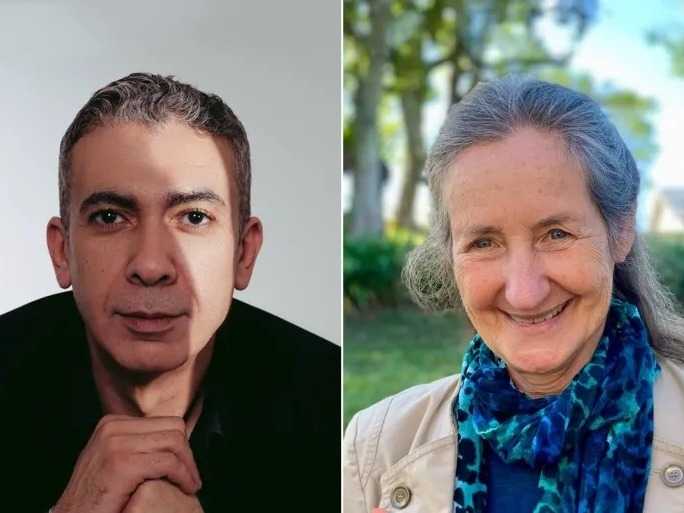
Widespread controversy in Egyptian public opinion was sparked by the announcement of a health course offered by Australian Barbara O’Neill in the city of Gouna, known for controversial views similar to those of the late physician Diaa El-Adawy. The Egyptian Medical Syndicate announced that it had initiated official measures to prevent the course from taking place. Additionally, the Supreme Council for Media Regulation banned her media appearances and prohibited the promotion of her activities, warning against what it described as the promotion of health claims lacking scientific evidence. The Council clarified that the decision followed formal communications from the Ministry of Health and the Egyptian Medical Syndicate, which confirmed that O’Neill does not hold a license to practice medicine in Egypt and possesses no recognized qualifications in medicine or therapeutic nutrition. It also noted that a permanent media ban had been imposed on her abroad by the New South Wales Health Care Complaints Commission since September 24, 2019, prohibiting her from providing any health or educational services or delivering lectures, whether for pay or on a voluntary basis.
Earlier, the Egyptian Medical Syndicate announced that it had written to the Ministries of Health, Tourism, and Antiquities, as well as the Supreme Council for Media Regulation, urging them to take legal and regulatory measures to prevent the training course scheduled to be presented by O’Neill in November. Barbara O’Neill presents herself as an advocate for nutrition and natural therapies, gaining prominence online through content focused on diet and lifestyle.
The controversy surrounding her dates back to 2019, when the New South Wales Health Care Complaints Commission in Australia investigated her statements, lectures, and published materials. According to the investigation’s findings, the Commission concluded that some of O’Neill’s statements were not supported by scientific evidence and could pose a risk to public health if they encouraged patients to abandon proven treatments. Among the ideas that drew the Commission’s objection were her claims that cancer is a “fungus” that can be treated with methods such as sodium bicarbonate or dietary changes, as well as her statements advocating the use of goat’s milk instead of breast milk. The Commission also criticized positions it considered to involve skepticism toward certain medical interventions, such as vaccines and antibiotics. Consequently, the Commission officially issued a lifetime ban on O’Neill providing any health services, whether paid, voluntary, or within the framework of health education.
