Gel Nail Polish: 5 Tips to Avoid the Risks
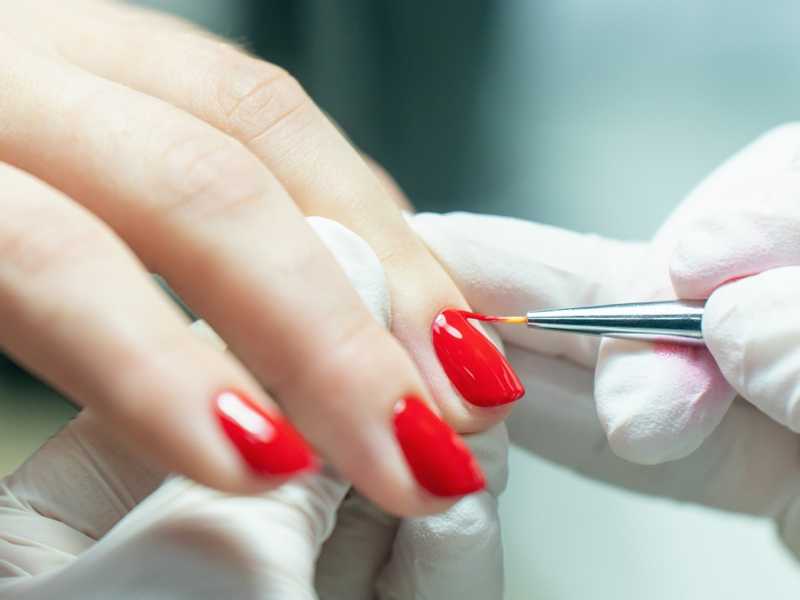
Dr. Wala’a Hafiz: Gel nail polish has become an essential part of the beauty routine for millions of women worldwide. However, behind its vibrant colors and long-lasting wear, a growing scientific debate has emerged regarding one of the chemical ingredients used in these products. Health concerns related to this substance prompted the European Union to ban its use in cosmetics last year, as part of a broader effort to restrict certain chemicals in nail products, particularly triphenylphosphine oxide (TPO). TPO is used in semi-permanent gel nail polishes to facilitate curing under ultraviolet (UV) light. This decision comes amid increasing scientific evidence suggesting that exposure to high levels of this substance may be associated with health risks, including toxicity and potential genotoxicity, as well as its classification as a substance suspected of having carcinogenic properties.
◄ What is TPO?
TPO is not a coloring agent but a photoinitiator that helps semi-permanent gel nail polish harden within seconds when exposed to UV or LED light, making it a common ingredient in many gel products used in beauty salons. Under new European regulations, cosmetics containing this substance are no longer permitted for marketing, having been added to the list of prohibited substances in EU cosmetics.
◴ Harms Extending Beyond the Nail
Although nail polish is considered safe for many women when used correctly, frequent use, particularly of semi-permanent (gel) polishes, can lead to various nail and skin problems. These include:
1. Nail brittleness and weakness.
2. Thinning and damage to the nail plate due to repeated filing.
3. Nail separation from the nail bed.
4. Nail deformities.
5. Increased risk of bacterial or fungal infections, especially if the skin around the nail is damaged or if sterilization standards are inadequate.
◴ Warning Signs to Watch For
Experts warn that one of the most prominent complications associated with gel nail polish is allergic contact dermatitis caused by acrylates and other chemicals used in these products. Allergic symptoms are not limited to the fingers; they may appear in other areas, such as the eyelids, face, and neck, due to the transfer of chemical residues from the hands to these areas through frequent touching. Doctors recommend inquiring about a patient’s history of nail polish use, the types of products used, and whether the person has recently undergone manicures or used semi-permanent polish when unexplained skin symptoms appear. Medical consultation is advised if the following occur:
• Redness or peeling of the skin around the nails.
• Painful cracks in the skin surrounding the nail.
• Recurrent eczema on the eyelids or face without a clear cause.
• Nail separation or deformation.
◴ Who Is Most at Risk?
According to experts at the medical website Medscape, the likelihood of complications increases among:
1. Individuals with atopic dermatitis or eczema.
2. Women with a prior sensitivity to acrylates or methacrylates.
3. Beauty salon workers and healthcare professionals due to repeated exposure to these substances.
4. Children and pregnant women.
◴ Choosing Compliant Products
Dermatologists emphasize that the European decision does not imply that all nail polishes are unsafe, but rather reflects a precautionary approach aimed at updating regulations whenever new scientific evidence emerges regarding the safety of cosmetic ingredients. Experts recommend choosing products that meet regulatory standards, having nail care sessions in centers that adhere to hygiene standards, and allowing nails rest periods between repeated applications of semi-permanent polish to maintain the health of the nails and surrounding skin.
◴ Should You Discard All Gel Polishes?
If a product complies with current standards and is free of TPO, there is no need for concern. However, for older or unbranded products, it is advisable to check the ingredient list before use, especially since many companies have begun replacing this substance with alternatives in response to new European regulations.
◴ How to Protect Yourself?
You can reduce the risks associated with gel nail polish by following these simple measures:
1. Read the ingredient list and verify that the product is free of TPO.
2. Choose products from reputable companies that comply with safety standards and applicable regulations.
3. Avoid contact between liquid gel and the skin around the nails during application.
4. Ensure the polish is fully cured using an appropriate UV or LED lamp compatible with the product.
5. Discontinue use if you experience recurrent itching, redness, or swelling around the nails.
