Excessive Protein Intake Without Exercise: Is It Harmful to Health?
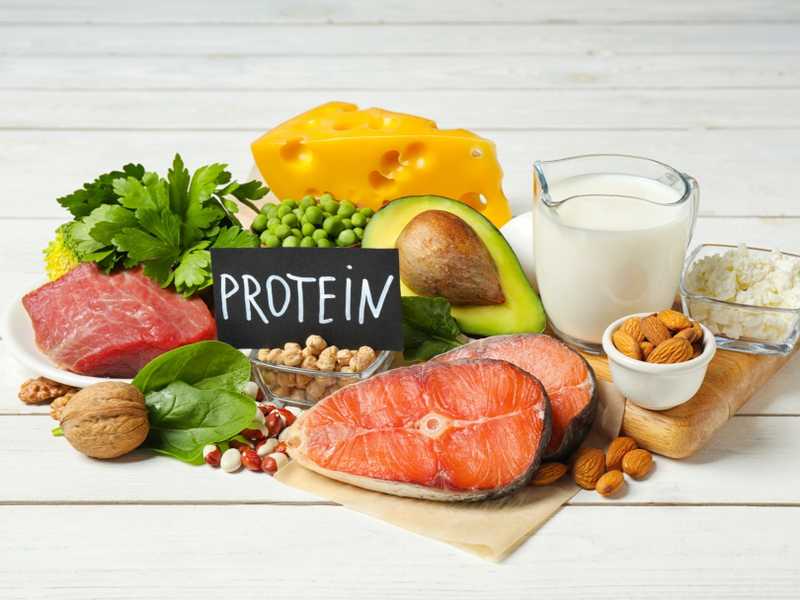
Dr. Wala’a Hafiz – Research has shown that excessive protein consumption without exercise may lead to increased body fat and elevated insulin resistance. With the proliferation of protein-rich products, from shakes to breakfast cereals, calls to increase protein intake—particularly among middle-aged and older adults—are growing. However, according to The Telegraph, research on aging presents a more complex picture. In fact, for many people, overconsumption of protein may accelerate certain signs of aging. This may seem counterintuitive, as protein is widely believed to promote satiety. Studies conducted over the past two decades have indicated that combining strength training, such as weightlifting and push-ups, with a protein-rich diet can help mitigate age-related muscle loss. However, consuming larger amounts of protein without exercise may not yield the expected benefits and could instead be associated with a deterioration in certain health markers.
◄ Insulin Resistance
Research conducted by Professor Dudley Lamming, an expert in this field at the University of Wisconsin–Madison, found that following a high-protein diet without exercise can lead to insulin resistance and increased body fat accumulation within just four months, even when caloric intake remains the same. Lamming stated that results from multiple studies suggest that individuals who consume higher amounts of protein may have increased rates of cancer, diabetes, and cardiovascular diseases.
◾ Causes of Harm from Excessive Protein Intake
Consuming excessive amounts of protein may cause harm that outweighs its benefits, especially when physical activity is not practiced. Wilbert Vermes, who leads a research team studying aging biology at Erasmus Medical Center in the Netherlands, explains that consuming large amounts of protein without additional exercise—and thus not using it for muscle building—may lead to increased DNA damage. This occurs because protein digestion does not merely convert protein into the amino acids the body needs; it also produces unstable chemicals that can cause damage to cellular DNA. The greater the amount of protein consumed, the higher the levels of these unstable chemicals.
Lamming and other researchers also found that laboratory mice fed a low-protein diet lived up to 30% longer. Although research on humans is still in its early stages, these findings may also apply to us, particularly to individuals who do not exercise regularly due to busy schedules.
◾ Studies and Research
A Danish study conducted last year on 6,381 middle-aged adults, which compared those who derived less than 10% of their caloric intake from protein with those who consumed moderate amounts (10–19% of daily calories) and those who followed a high-protein diet (20% or more of calories), found that the low-protein group was less likely to develop type 2 diabetes. Lamming stated: “If you are consuming extra protein, your body has to do something with it. If you exercise, you can build healthier muscles. But if you don’t, it may have harmful effects.”
◾ Excessive Protein May Increase Weight
It is commonly believed that anyone seeking to lose weight should consume more protein. However, Lamming notes that recent research suggests the opposite: low-protein diets may reprogram our metabolism in a way that enhances fat and calorie burning, even during rest. This has been demonstrated through various experiments on laboratory mice, which were given low- and high-protein diets. Mice that consumed less protein became leaner and had better blood sugar levels, despite generally consuming more food. On the other hand, while mice that consumed more protein felt fuller for longer, they gained more weight.
There is a biological explanation for this. Other researchers have found that when individuals derive less than 10% of their calories from protein, the liver begins to produce higher amounts of a hormone called FGF21. This affects the brain, leading to increased energy consumption, or total calories burned. Lamming stated: “People on a low-protein diet do not feel as full, so they consume more calories. However, they lose weight, particularly fat mass. This is due to increased energy consumption by the body.”
◾ Does the Type of Protein Matter?
Some studies suggest that certain protein sources may be more harmful than others, especially with advancing age. In particular, excessive consumption of branched-chain amino acids (BCAAs), such as leucine, isoleucine, and valine, is linked to obesity, type 2 diabetes, and other metabolic diseases, whereas reducing their intake appears to improve metabolism and blood sugar control. These amino acids are found in highest concentrations in red meat, chicken, whey protein powders, soy, and tofu. Because they activate growth signaling pathways in the body, they may inhibit the body’s ability to repair itself and eliminate toxins, a process that becomes increasingly important with age.
Frank Hu, professor of nutrition and epidemiology at Harvard T.H. Chan School of Public Health, stated: “Branched-chain amino acids promote growth. If you are a child or teenager, these amino acids can accelerate growth, but in middle age or old age, consuming them may not be beneficial. Excessive intake is associated with increased inflammation, insulin resistance, and cardiovascular diseases.”
Lamming also believes that consuming more BCAAs, through red meat or other sources, may not place a significant burden on our bodies as we age if used proactively, for example, through weightlifting three times a week.
◾ Preventive Steps
Many nutrition experts recommend consuming at least 15 grams of protein per meal, possibly up to 30 grams, depending on body weight. However, all of Lamming’s findings suggest that reducing protein intake is preferable, especially if you are short on time during the week or month and do not exercise. Nevertheless, he is hesitant to recommend long-term low-protein diets at this time, as scientists still need to evaluate whether there are any potential risks alongside the apparent benefits, and it is currently unknown whether such a diet is suitable for everyone.
If you are generally inactive, it is likely best to follow these steps:
1. Consume approximately 15 grams of protein per meal.
2. Try to increase the proportion of plant-based protein compared to animal-based protein in your diet.
3. Ensure you drink at least nine glasses of water (about two liters) daily.
