NASA Turns Its Largest Eye to the Cosmos
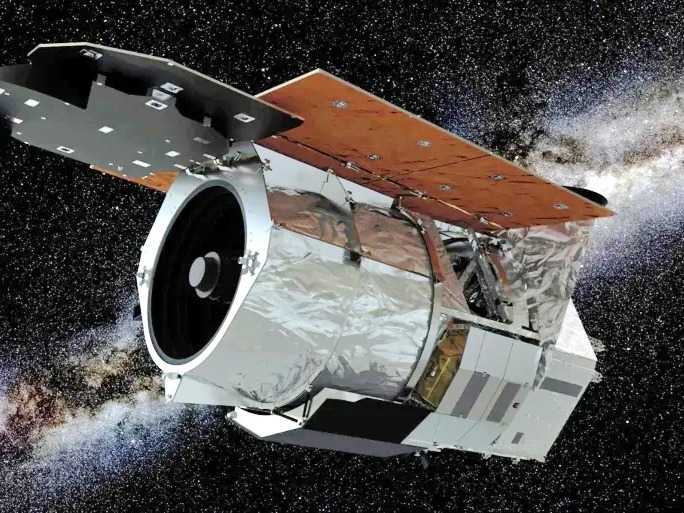
More than three decades after the Hubble Space Telescope transformed our view of the universe, and following the James Webb Space Telescope’s opening of a window onto the earliest stages of galaxy formation, NASA is preparing to launch its new space observatory, the Nancy Grace Roman Space Telescope, on August 30. This mission will mark the next phase in a series of giant space observatories that began in the 1990s. The announcement was made during a press conference held by mission officials at NASA’s Goddard Space Flight Center, who confirmed that the telescope is ready for launch aboard a SpaceX Falcon Heavy rocket, nine months ahead of the originally scheduled date—an achievement reflecting the project’s high level of efficiency.
The Roman mission is estimated to cost around $4 billion and will carry a substantial amount of hydrazine fuel necessary for its journey to the second Lagrange point (L2), located approximately 1.5 million kilometers from Earth. This region is considered one of the best locations for operating space observatories, as it allows the telescope to maintain a stable temperature while its solar panels continue to receive the energy needed for operation.
Jeremy Perkins, a telescope integration and test scientist at NASA’s Goddard Space Flight Center, explained that the spacecraft will perform several corrective maneuvers during its transit before entering its final orbit around the L2 point about 100 days after launch. He emphasized that the fuel supply is sufficient to operate the mission for at least five years, with additional reserves available.
Julie McEnery, Chief Scientist for the Roman mission at NASA’s Goddard Space Flight Center, stated, “Roman has nearly the same sensitivity and resolution as Hubble, but it can survey the sky much more rapidly. One month of observations of our Milky Way galaxy would take roughly a century if conducted with Hubble.”
