Saudi Defense: 14 countries confirm their support for the defensive maritime coalition project
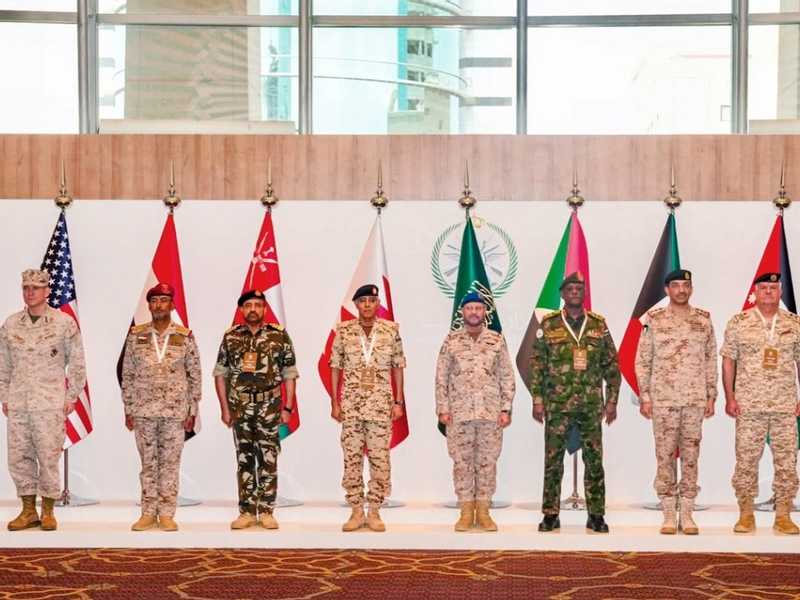
Saudi Arabia has affirmed that the multinational maritime defense coalition represents an open international defensive initiative, accessible to all nations that share its objectives and principles, welcoming their acces
Translated by Qiyas from القبس — Original source
Saudi Arabia has affirmed that the multinational maritime defense coalition represents an open international defensive initiative, accessible to all nations that share its objectives and principles, welcoming their accession and participation in its efforts in accordance with their national procedures. This initiative aims to enhance collective maritime security, safeguard freedom of navigation and global trade, and embody the principle of shared international responsibility in confronting common threats. This stance is rooted in the firm conviction that the security of international sea lanes is a collective responsibility requiring effective and sustainable international partnership.
Today, Thursday, the Kingdom hosted a meeting of the chiefs of staff and their representatives from 43 countries, along with representatives of the European Union in the Kingdom, out of the 51 countries and organizations invited. Participation was either in person or via video conference, to discuss the Kingdom’s initiative to establish the multinational maritime defense coalition. This meeting is part of efforts aimed at enhancing maritime security, protecting international sea lanes, and countering threats targeting maritime navigation and global trade.
As a outcome of this meeting, 14 participating countries issued a joint statement affirming their support for the multinational maritime defense coalition project and welcoming the consensus reached regarding its foundational arrangements. These countries are Saudi Arabia, Kuwait, Bahrain, Qatar, Pakistan, Turkey, Egypt, Jordan, Yemen, Bangladesh, Nigeria, Sudan, Djibouti, and Somalia. Other participating countries also affirmed their support for the initiative, which is currently finalizing the necessary domestic procedures and approvals for joining the joint statement. The door remains open for these countries and others interested to join the statement after completing their national procedures.
The meeting affirmed the shared resolve to proceed with completing the foundational steps for establishing the multinational maritime defense coalition, thereby enhancing collective capacity to confront and deter threats targeting maritime security, protect international sea lanes, safeguard freedom of navigation and global trade, and bolster regional and international security and stability.
Participants discussed the escalating threats targeting maritime security, including attacks on commercial vessels, energy tankers, and maritime infrastructure, and the risks they pose to the safety of maritime navigation, the stability of global supply chains, and the international economy. They emphasized the importance of strengthening multilateral defense cooperation to confront and deter these threats and maintain the security of international sea lanes.
Participants also discussed the draft charter of the multinational maritime defense coalition, its reference documents, organizational structure, command and control arrangements, operational mechanisms, and future action steps. These measures aim to ensure the establishment of an effective institutional framework that enhances maritime defense cooperation among participating countries and addresses common maritime threats in the Bab el-Mandeb Strait, the Red Sea, and the Gulf of Aden.
During the meeting, the foundational arrangements for the multinational maritime defense coalition project were discussed, with a primary focus on designating the Kingdom of Saudi Arabia as the founding and leading state of the coalition, and hosting its headquarters. This reflects international confidence in the Kingdom’s leadership role in enhancing collective maritime security.
Participants agreed to continue the work of military planners from countries wishing to join the coalition during the next phase, to complete the foundational procedures. These include finalizing the charter of the coalition and its reference documents, completing the organizational structure, command and control arrangements, and operational mechanisms, and forming the necessary technical frameworks and teams. This will run parallel to the completion of national procedures by countries wishing to join, paving the way for the signing of the charter, the launch of the coalition, and the commencement of its operations.
