Minister of Education Approves Teachers' Code of Conduct
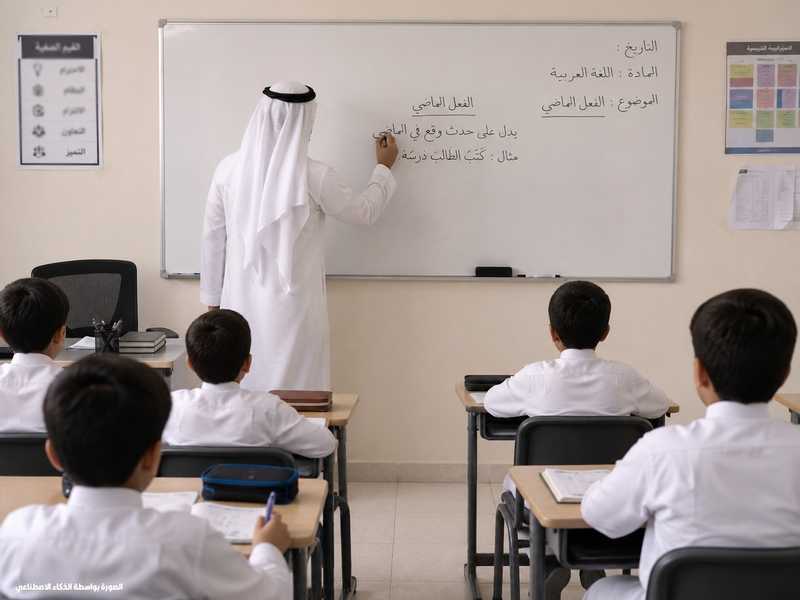
Minister of Education Jalal Al-Tabtabaee issued a ministerial decree adopting the Code of Conduct for Teachers in the State of Kuwait, establishing it as a reference document that regulates the professional conduct of te
Translated by Qiyas from القبس — Original source
Minister of Education Jalal Al-Tabtabaee issued a ministerial decree adopting the Code of Conduct for Teachers in the State of Kuwait, establishing it as a reference document that regulates the professional conduct of teachers and holders of educational and supervisory positions. The code aims to entrench the system of values and ethics governing educational practice, thereby contributing to enhancing the quality of education and achieving a safe and motivating school environment.
The Ministry of Education emphasized that Minister Al-Tabtabaee’s adoption of the Code of Conduct for Teachers aligns with the Ministry’s commitment to fostering a professional environment grounded in values, commitment, integrity, mutual respect, and responsibility. This stems from the belief that the teacher is the cornerstone of human development and the primary driver for improving the educational process. Elevating education begins with building a robust professional system, alongside the development of curricula, programs, and regulations.
The Ministry clarified that the Code of Conduct for Teachers represents a professional and ethical charter that embodies the high status of the teacher, enhances their educational and national role, safeguards their rights, and clarifies their responsibilities. It establishes an institutional culture based on professionalism, transparency, and integrity, positively reflecting on the quality of education and its outcomes. The Ministry added that the code was prepared based on a comprehensive vision grounded in national legislation, aligned with best educational practices, and mindful of the specificities and authentic values of Kuwaiti society. This approach aims to strengthen trust among all parties involved in the educational process and provide a safe, motivating school environment for learning and creativity.
The Ministry indicated that it will work to disseminate and activate the code through qualification and professional development programs, considering it an integral part of the institutional development system. This effort aims to entrench professional ethics, enhance performance competence, and prepare teachers who are professionally proficient, proud of their mission, and capable of raising generations equipped with knowledge, values, and national identity, keeping pace with the State of Kuwait’s aspirations for higher-quality and sustainable education.
The Ministry of Education clarified that the ministerial decree stipulates the adoption of the Code of Conduct for Teachers as the primary ethical and professional reference regulating educational practice. Its provisions apply to all male and female teachers and holders of educational and supervisory positions in both the public and private sectors. The Ministry noted that the code is based on an integrated system of professional values, including professional responsibility, integrity and transparency, justice and respect, citizenship and belonging, creativity and development, and cooperation and teamwork. These values aim to enhance an educational environment based on trust and mutual respect, elevate institutional performance quality, and raise ethical awareness among professionals in the educational field.
The code outlined teachers’ duties toward learners, emphasizing the importance of mastering subject matter, applying the latest teaching and assessment methods, utilizing modern technologies, and optimizing class time to achieve learning objectives. It stresses providing opportunities for dialogue and discussion, monitoring students’ academic levels, discovering and nurturing their talents, and adhering to justice and objectivity in assessment. Furthermore, it mandates protecting students’ privacy and data confidentiality, and prohibiting any practices that compromise their safety or exploit the educational relationship for personal gain.
The Ministry also highlighted the code’s significant focus on strengthening partnerships with parents by fostering responsible professional communication. This includes providing accurate and transparent updates on students’ academic and behavioral progress, while strictly maintaining information confidentiality and refraining from disclosing data pertaining to other students except as required by educational work.
Additionally, the code stressed the importance of cultivating a culture of cooperation and mutual respect among colleagues, promoting teamwork, exchanging expertise, and rejecting insults, defamation, or the spread of rumors. It calls for respecting diversity and differing professional viewpoints, thereby contributing to a positive work environment and elevating institutional performance within schools.
Regarding institutional compliance, the Ministry explained that the code obligates teachers and holders of educational and supervisory positions to adhere to laws and regulations governing work, maintain the confidentiality of documents and information, respect administrative hierarchy, and actively participate in developing the work environment. It prohibits making statements or publishing any information or documents related to the Ministry without official authorization from competent authorities, thereby safeguarding the public interest and enhancing institutional governance.
The Ministry also noted that the code addresses the teacher’s responsibilities toward society, including adherence to Kuwaiti societal values, respect for the Constitution and laws, linking the educational process to societal needs, contributing to the dissemination of scientific culture, participating in national initiatives, and representing the educational institution in a manner that reflects its mission and status.
The Ministry pointed out that the code dedicates a specific section to holders of supervisory positions, emphasizing fairness in human resource management, equal opportunity, selecting the most competent individuals based on objective criteria, safeguarding public funds, and providing a supportive work environment for creativity and excellence.
The Ministry confirmed that the code includes a number of prohibited behaviors, the most prominent of which are exploiting one’s position for personal gain, accepting gifts or benefits linked to the job, insulting the educational institution, students, or staff via social media, publishing and circulating news, information, and official documents without authorization, or using the Ministry’s logos or those of its organizational units in personal accounts and advertisements. These provisions aim to promote the responsible use of social media and preserve the dignity of the educational institution.
The Ministry added that the code specifies clear procedures for reporting violations and mechanisms for disciplinary accountability in accordance with prevailing laws and regulations. These procedures begin with warnings and administrative investigations and escalate according to the nature of the violation, ensuring justice, maintaining professional discipline, and reinforcing the principles of transparency and the rule of law within educational institutions.
The Ministry of Education concluded by reaffirming that the Code of Conduct for Teachers represents a professional and ethical charter embodying the noble mission of the teacher. It will serve as a primary reference in teacher preparation, qualification, and in-service professional development programs, with efforts underway to evaluate and update it periodically to keep pace with the evolution of the educational system and enhance the quality of education in the State of Kuwait.
