Therapeutic Patch Restoring Sight to the Blind Receives European Approval
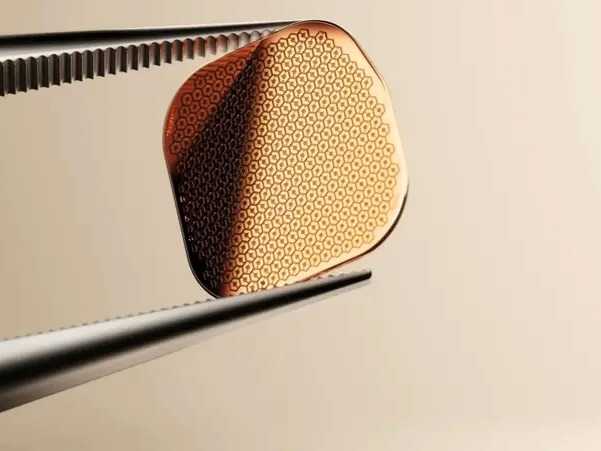
Science Corporation, a company specializing in brain-computer interface (BCI) development, has received approval from European medical device regulators to market a new device aimed at restoring vision in patients who have lost it due to age-related macular degeneration. The company announced that its device, named PRIMA, has also received a special designation from the U.S. Food and Drug Administration (FDA), a step that paves the way for a fast-track review process, potentially accelerating its use in treating two rare forms of blindness. Millions of people worldwide suffer from age-related macular degeneration, a disease that damages light-sensitive cells in the retina, making reading and recognizing faces extremely difficult, according to a report published on TechCrunch and cited by Al Arabiya Business. The PRIMA system relies on a simple surgical procedure lasting about an hour, during which a small electronic chip is implanted behind the eye. After the surgery, the patient wears glasses equipped with a camera that captures the surrounding scene and transmits images to the chip, which stimulates the retina to provide functional vision, helping patients regain part of their sight. Max Hodak, the company’s founder and CEO, said the device has made a real difference in patients’ lives, noting that one patient in France was able to read a complete 300-page novel, while other patients succeeded in solving crossword puzzles and Sudoku puzzles, and one even painted a picture of the Sydney Opera House.
