Excessive Consumption of Ultra-Processed Foods Threatens Brain Health
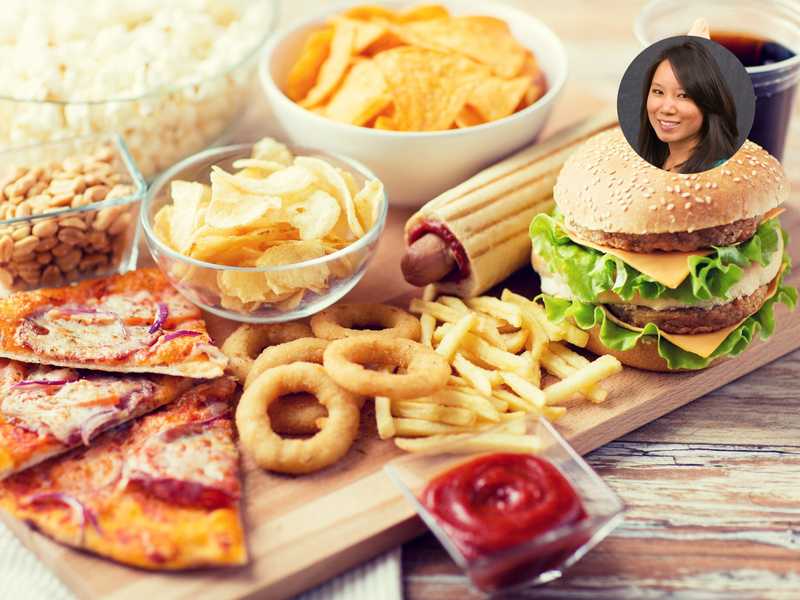
Dr. Wala’a Hafiz – The harms of ultra-processed foods extend beyond weight gain or increased risks of heart disease and diabetes; they also affect brain health. Growing scientific evidence links their consumption to memory decline, impaired cognitive abilities, and a higher likelihood of developing dementia. In a comprehensive report, The Telegraph reviewed the most significant impacts of these foods on the brain, drawing on the latest research and insights from nutrition and neuroscience experts at Harvard University, while offering practical solutions to mitigate these risks.
**A Recent Study**
A recent study from Harvard University concluded that excessive consumption of ultra-processed foods—such as potato chips, biscuits, and ready-made meals—is associated with an increased risk of various chronic diseases. This is due to their reliance on multiple manufacturing processes and ingredients uncommon in home cooking, such as artificial flavors and emulsifiers. While previous studies linked ultra-processed food consumption to higher risks of heart disease and obesity, the Harvard study found that individuals who consumed larger quantities (41% of their total daily diet) were 58% more likely to develop dementia compared to those whose diets primarily consisted of minimally processed foods.
Cindy Leung, Associate Professor of General Public Health Nutrition at the Harvard T.H. Chan School of Public Health, stated: “We were surprised by the strength of the association between these foods and cognitive impairment and dementia. We indeed found a notable increase in these negative cognitive outcomes even at moderate levels of ultra-processed food consumption.”
**Causes and Solutions**
**1. Blood Sugar Spikes**
Other studies have repeatedly indicated that adults who consume a higher proportion of ultra-processed foods in their diets suffer from impaired blood sugar control, exposing them to a greater risk of prediabetes and, ultimately, type 2 diabetes. Professor Leung explains that one of the main reasons is that many ultra-processed foods are soft and easy to digest, leading to rapid and unregulated spikes in blood sugar.
* **Solution:** Reduce the intake of ultra-processed foods containing refined and simple carbohydrates, such as ready-made pizza, instant pasta, and breakfast cereals made from corn or wheat flour. Instead, choose more whole-grain products, such as whole-wheat bread, oatmeal, and brown rice.
**2. Excessive Calories**
Many ultra-processed foods are designed to be highly appealing and difficult to stop eating, thanks to factors such as attractive packaging and high contents of added salt, sugars, and saturated fats. Professor Leung notes that the use of certain digestive enzymes as food additives in ultra-processed foods is not only aimed at improving taste but is also designed to enhance the desire to eat more. These enzymes help flavors reach the sensory system faster, stimulating appetite and encouraging overeating.
Professor Leung adds that chronic overeating exhausts mitochondria—the energy factories within cells that convert food into the energy the brain needs. Over time, this stress leads to reduced energy production and weakens the brain’s ability to form and maintain connections between nerve cells, accelerating cognitive decline.
* **Solution:** Professor Leung recommends relying on home-cooked meals rather than ultra-processed foods, stating: “Cooking is a wonderful way to regain control over how you buy, prepare, and consume food.”
**3. Disrupted Gut-Brain Communication**
Dr. Leung points out that recent research has revealed a close link between gut health and brain health. The gut contains about two-thirds of the body’s immune cells, which communicate with the brain’s immune system to protect it from toxins, waste, and pathogens. Professor Leung explains: “We know there is a clear connection between the gut and the brain. What we eat sends direct signals to the brain via the immune system and through chemicals known as metabolites produced by gut bacteria.”
She adds that most ultra-processed foods lack dietary fiber or contain minimal amounts, while being high in added sugars. This leads to an imbalance of beneficial bacteria in the gut. “A chain of cascading effects occurs, leading to inflammation and oxidative stress, which affects cognitive abilities and increases the risk of dementia,” she says.
* **Solution:** Professor Li Wang recommends following the Mediterranean diet due to its benefits for gut and brain health. This diet relies on vegetables, fruits, olive oil, and seafood, and contains fibers and nutrients that may help protect the brain in the long term.
**4. Depriving the Brain of Necessary Fuel**
The brain relies on omega-3 fatty acids, found in fatty fish and marine algae, to maintain cognitive functions. These acids also help reduce neuroinflammation associated with aging. However, the problem is that most ultra-processed foods lack these healthy fats, as well as several important vitamins and minerals such as magnesium, zinc, and vitamin E.
* **Solution:** The study recommends increasing the consumption of fatty fish like salmon, along with nuts. Professor Frank Hu, Professor of Nutrition and Epidemiology at the Harvard T.H. Chan School of Public Health, stated: “Nuts, especially almonds, walnuts, cashews, and hazelnuts, also contain a good amount of selenium, another nutrient that protects the brain.”
**5. Hidden Toxins in Manufactured Foods**
The Telegraph report explains that vitamin E and zinc also act as antioxidants, helping to eliminate free radicals that accumulate in the brain with aging and cause DNA damage to cells. However, scientists have discovered that ultra-processed foods contain high levels of compounds known as Advanced Glycation End Products (AGEs). These substances form when food is exposed to high temperatures for long periods during manufacturing.
The Telegraph cited a recent study conducted by researchers from the University of Southern California, where laboratory mice were fed a diet rich in these compounds, resembling the regular consumption of ultra-processed foods. The mice eventually exhibited clear memory problems.
* **Solution:** Increase the consumption of fresh vegetables and fruits, as they contain very low levels of these harmful compounds.
**6. Food Additives That May Harm Nerve Cells**
Professor Leung stated that her study, conducted with her team at Harvard University, showed that processed meats were most strongly associated with the deterioration of cognitive functions. She explained: “When we examined different types of ultra-processed foods to determine which had the greatest impact, we found that processed meats were linked to the highest risk of cognitive decline.”
She suggests that one possible explanation is the use of nitrites in preserving meats. Exposing them to high temperatures, such as frying bacon slices, forms compounds known as nitrosamines. These are toxic substances long linked to cancer, while recent animal studies suggest they may also affect the brain.
* **Solution:** Dr. Leung recommends replacing processed meats at breakfast with beans and whole-grain bread, or with healthy proteins such as chicken or eggs.
**7. Insulin Resistance Threatens the Brain**
The study noted that repeated blood sugar spikes caused by foods like potato chips and biscuits eventually lead to insulin resistance. Professor Leung explains that high blood glucose leads to increased insulin secretion to regulate it. As this cycle continues, body cells become less responsive to insulin, forcing the pancreas to produce larger amounts of it. This vicious cycle often ends in type 2 diabetes.
The impact is not limited to the body; it extends to the brain as well. Leung states: “Nerve cells in the brain cannot use glucose as efficiently when a person has insulin resistance.” This explains the link between diabetes and an increased risk of dementia.
* **Solution:** Professor Frank Hu emphasizes the importance of obtaining magnesium from natural sources such as chia seeds, pumpkin seeds, brown rice, salmon, halibut, bananas, yogurt, and spinach, as magnesium is crucial for the biological function of insulin. Additionally, intermittent fasting and eliminating processed foods are recommended.
