"The Supreme Council for the Judiciary: A single front behind the political leadership in confronting the brutal Iranian aggression"
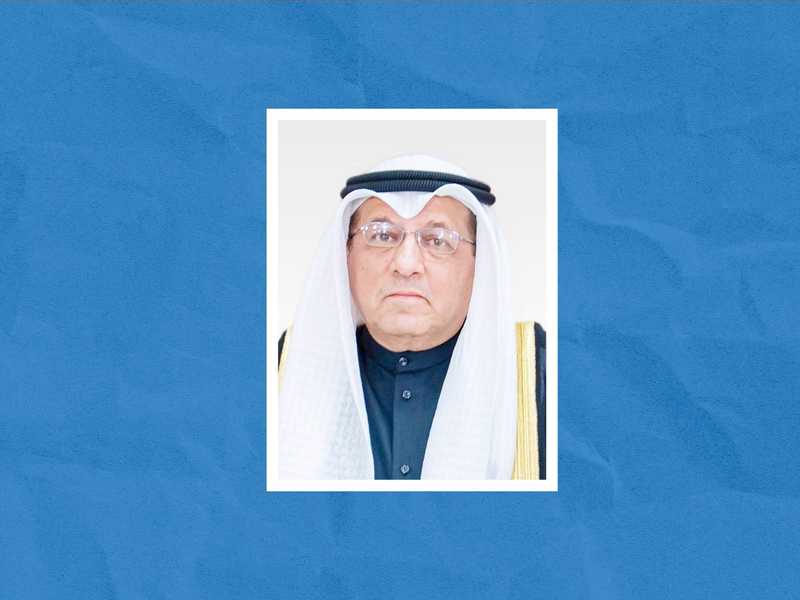
The Judicial Editor – The Supreme Council of the Judiciary condemned the brazen Iranian aggressions against the soil of our beloved homeland. The Supreme Council of the Judiciary affirmed that the judicial authority, with all its members and assistants, stands firmly behind the wise leadership of His Highness the Amir of Kuwait, Sheikh Meshal Al-Ahmad Al-Jaber Al-Sabah, and His Highness the Crown Prince, Sheikh Sabah Al-Khaled Al-Sabah, and supports the efforts of the government, chaired by His Highness Sheikh Ahmad Nawaf Al-Ahmad Al-Jaber Al-Sabah, by mobilizing all capabilities to defend Kuwait’s gains and rights. It prayed to Almighty Allah to protect the country and its armed forces, the steadfast sons of the nation, to have mercy upon the martyrs of the homeland, and to grant swift recovery to the bereaved and the injured.
This statement came during a meeting of the Council, held today (Tuesday), chaired by Dr. Adel Bursli, President of the Supreme Council of the Judiciary and President of the Court of Cassation, in the Mishref area, with the attendance of Council members. During the meeting, the Council approved a package of administrative and organizational decisions aimed at developing judicial work. These included exempting 14 counselors from the Court of Appeal to work at the Court of Cassation starting October 1, 2026, and reconstituting the committee responsible for assigning counselors to oversee the examinations for the position of legal researcher.
The Council also decided to open the recruitment process for the position of legal researcher for both men and women, with a view to appointing them as Assistant Public Prosecutors (Grade B) for law bachelor’s degree holders from the 2024/2025 academic year. Additionally, it approved the transfer of several public prosecutors to work with judges of the Court of Cassation, followed by a training program at the Kuwait Institute for Judicial and Legal Studies.
The decisions also included the promotion of several judges of the Court of Cassation and members of the Public Prosecution to higher grades, as well as the renewal of the assignment of several judges to work at the Court of Cassation Prosecution for one year. Furthermore, the Council reviewed complaints and observations received from court presidents, emphasizing the need for swift resolution to expedite litigation procedures and enhance the quality of services provided to litigants.
