With Advancing Age: Simple Habits to Enhance Physical Fitness
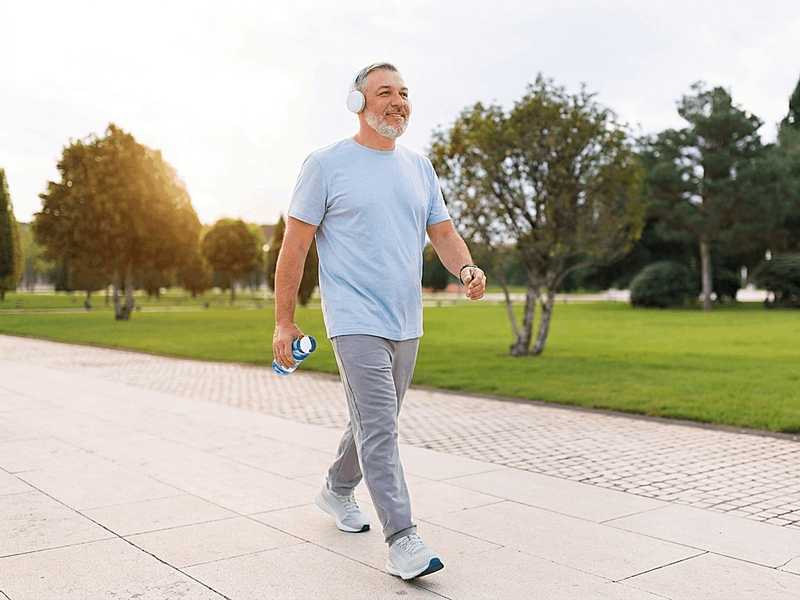
Reem Qasem – It is natural to experience a gradual decline in muscle mass, flexibility, and balance as we age, but maintaining overall fitness does not necessarily require intensive training programs. According to a report published by the website Passportsante, physical activity experts agree that some simple habits practiced daily are sufficient to maintain independence and reduce the risk of chronic diseases.
1 – Walking for 20 minutes
Walking is one of the easiest and most beneficial physical activities as we age. Just 20 minutes a day is enough to stimulate the heart and blood vessels, improve circulation, and mitigate the effects of a sedentary lifestyle. Recommendations issued by global health organizations encourage adults to engage in regular moderate physical activity. In addition to its cardiovascular benefits, walking also maintains leg muscles, activates joints, and helps maintain a stable weight. It also enhances mental health due to its positive impact on stress and mood. According to the advice of many fitness trainers, this routine is one of the most effective ways to maintain vitality over the years.
2 – Stretching exercises
As we age, tissues naturally lose flexibility, muscles become stiffer, and the range of motion in joints gradually decreases. Therefore, dedicating a few minutes each morning or evening to stretching exercises can help maintain better mobility and alleviate pain associated with stiffness. The benefits of stretching extend beyond increasing flexibility; they also help improve body posture, reduce muscle tension, and facilitate daily movements such as bending, driving, or reaching for high objects. This routine is particularly beneficial when combined with regular physical activity.
3 – Balance
Balance exercises are often overlooked, yet they become essential with age, as falls are a leading cause of injuries among this demographic. Strengthening leg muscles and practicing balance exercises regularly helps improve reactions to loss of balance, ensuring safer movement. Therefore, performing some simple exercises is sufficient, including standing on one leg for a few seconds, walking in a straight line, practicing Tai Chi or Pilates, and using the stairs instead of the elevator. The latter serves as an excellent functional exercise that simultaneously improves muscle strength, coordination, and balance.
◄ How can you adopt these habits?
The goal is not to radically change your lifestyle, but to adopt small, easy habits and stick with them over time. Walking for 20 minutes after lunch, some stretching exercises upon waking, and one or two balance exercises while brushing your teeth all form an excellent foundation. Health care specialists also emphasize the importance of complementing these habits with a diet rich in protein, calcium, and vitamin D, along with good sleep. Together, these factors help slow muscle atrophy and maintain independence for a longer period.
◴ Benefits beyond muscles
The benefits of these daily habits extend beyond the muscular system. Regular physical activity also helps reduce the risk of type 2 diabetes, high blood pressure, cardiovascular diseases, and even cognitive decline. Numerous studies indicate that it improves sleep quality and alleviates symptoms of anxiety or depression.
