10 Billion Emojis Daily Redefine the Language of the Era
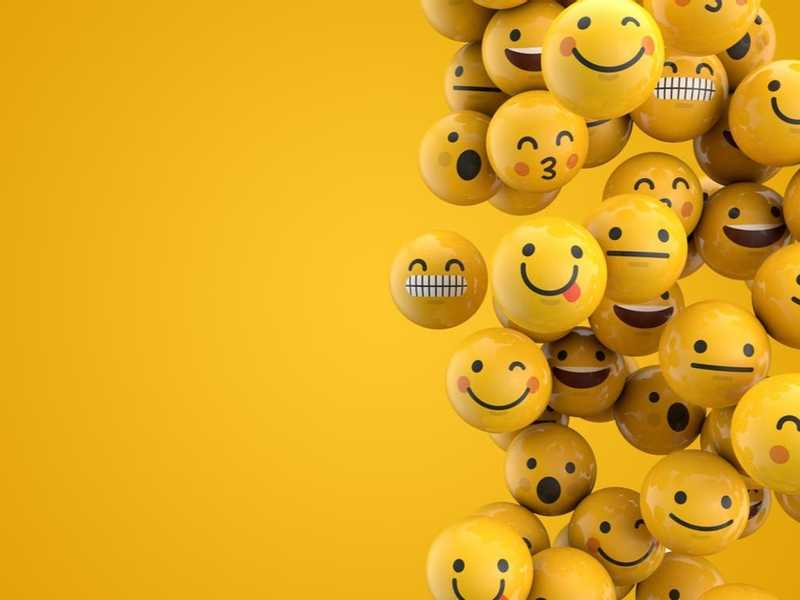
As words alone have become insufficient to convey emotions in digital conversations, the world celebrates Emoji Day on July 17. In just a decade, this occasion has evolved from a simple idea into a global cultural phenomenon, involving millions of users, social media platforms, and major brands. According to Emojipedia, internet users worldwide send more than 10 billion emojis daily via messaging apps and social media platforms. With the number of officially recognized symbols approaching 4,000, every user now has a means to express their most nuanced feelings without needing to write a single word. Despite this vast diversity, the “face with tears of joy” remains the most widely used emoji globally, followed by the red heart and then the thumbs-up, which serves as a universal symbol of approval and encouragement.
The story of emojis began in 1999, when Japanese designer Shigetaka Kurita created a set of 176 simple symbols for use on mobile phones in Japan. Within a few years, these small graphics transformed into a digital language used by billions of people around the world. About 15 years later, Jeremy Burge, founder of Emojipedia, a site dedicated to documenting emojis, launched World Emoji Day in 2014. The choice of July 17 as the celebration date was not coincidental; the “calendar” emoji on Apple devices displays this date, referencing the day Apple first revealed its iCal application in 2002. Emojipedia has also announced that the “grimacing face” emoji won the “Most Popular New Emoji” award for 2026.
Emojis are no longer mere visual embellishments for messages; they have become a fundamental tool for bridging the emotional gap created by written text, in the absence of vocal tone and facial expressions. Digital communication experts argue that emojis help clarify the true intent behind words and reduce the likelihood of misunderstandings in text-based conversations. This view is supported by studies in neuropsychology, which indicate that the human brain processes the smiling face in emojis in a manner similar to how it processes real facial expressions, explaining their ability to convey emotions quickly and effectively.
