Lineage, Descent, and Name Changes
The world’s countries differ significantly in their stance on an individual’s desire to change their first, middle, or last name. The more developed a state is, the more lenient it tends to be in this regard, even if the
Translated by Qiyas from القبس — Original source
The world’s countries differ significantly in their stance on an individual’s desire to change their first, middle, or last name. The more developed a state is, the more lenient it tends to be in this regard, even if the change is comprehensive. For them, what matters is the citizen’s identification number, or Social Security Number (SSN), as in the United States. This number is primarily used to track the individual, their income, their tax obligations, their employment history, and the banking and credit services provided to them. It remains with the person throughout their life. In the U.S., the SSN consists of nine digits, divided into three parts, each with a specific meaning and purpose. Previously, the first part was linked to the place of residence, but that practice was later abolished. Consequently, the SSN serves as a permanent record of the person’s identity, regardless of any changes or modifications to their name.
For example, the birth name of the U.S. Vice President was “James Donald Bowman.” He later decided to change it to “James David Hamel,” and eventually settled on “James David Vance,” abbreviating it to J.D. Vance, largely for political reasons. Throughout all these stages, his Social Security number remained unchanged. It is worth noting that name changes are rarely granted without a court order, to ensure that the change is not motivated by an attempt to evade prosecution, charges, or criminal liability.
***
Last April, we issued a law concerning the regulation of procedures for filiation lawsuits and the correction of names. This represented an important legislative and regulatory step in the development of the legal system related to the protection of lineage and names, and in strengthening the governing controls to safeguard personal and family identity and support social stability. There is no justification for being overly rigid on this issue, given its connection to personal freedom, while simultaneously ensuring the existence of a robust security system that allows for the identification of individuals through a unique, specific number.
However, the current tracking number system is not yet robust. Although there is a trend toward adopting the “Civil ID” number, it currently competes with other distinct numbers, such as the passport number, driver’s license number, nationality number, and the serial number printed on the back of the Civil ID. Therefore, intervention is required to put an end to this somewhat confusing multiplicity and to adopt a single number for all documents. It is worth noting that identifying the “true identity of any person” has become relatively easy today. With advances in genetic, biometric, and iris recognition technologies, there are no real risks associated with name similarities or changes.
The new law has established stricter controls for requests to change a name or surname, restricting such changes to specific cases. This was necessary due to the surge in name change requests, making it crucial to provide these controls to officials in relevant authorities to stop the manipulation of names and lineages, and to reinforce seriousness in handling such requests while preserving the legal and social privacy associated with them. There is also a need to utilize modern scientific means, such as genetic fingerprinting, in matters related to lineage, alongside more precise regulation of procedures and fees. The law also criminalizes the submission of false information to competent authorities, thereby enhancing the accuracy of evidence and limiting the misuse of these legal channels for affiliation with specific entities, thus consolidating trust in the integrity and fairness of the procedures.
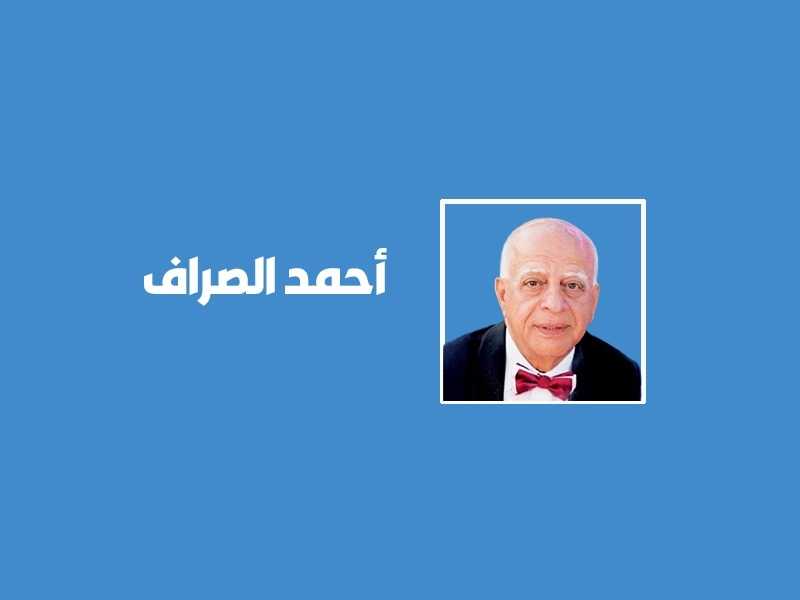
Ahmed Al-Sarraff
