Kuwait Society for Earth Sciences: Kuwait hosts approximately 385 plant species
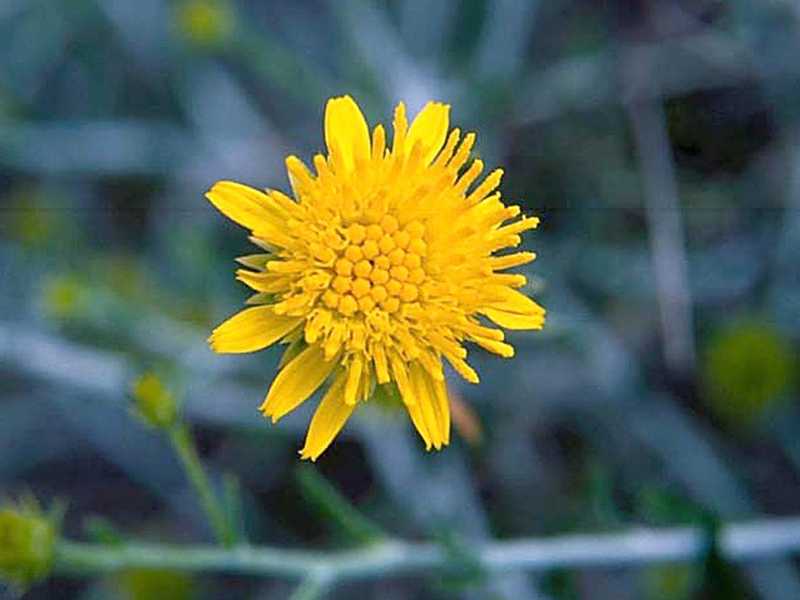
The Kuwait Association for Earth Sciences has emphasized the need to double efforts to preserve the country’s plant and fungal biodiversity and protect it from overgrazing, unregulated camping, and human activities. Dr. Mubarak Al-Hajeri, Chairman of the Association’s Board of Directors, stated on the occasion of World Day to Combat Desertification and Drought (observed annually on July 11) that the United Nations established this day to raise awareness of the environmental hazard of sand and dust storms and their devastating impact on human health, agriculture, and the global economy.
Al-Hajeri added that the objective of observing this day is to underscore the adoption of global and regional preventive measures, including improving weather and climate forecasting systems to monitor storms before they occur, and supporting afforestation and land rehabilitation projects such as green belts to stabilize soil. He clarified that government entities in Kuwait, led by the Public Authority for Applied Education and Training, the Public Authority for Agriculture Affairs and Fish Resources, and the Kuwait Institute for Scientific Research, are working to enhance plant and fungal biodiversity and cooperate with one another to mitigate harmful effects on the environment and human health.
He noted that Kuwait boasts unique plant biodiversity despite its desert nature, pointing out that the Kuwaiti environment includes approximately 385 plant species. He explained that the vegetation cover comprises around 270 annual plant species that appear in winter and spring and disappear in summer, and about 115 perennial species that withstand severe drought. He noted that this distribution is influenced by soil and topographical characteristics between the northern and southern parts of the country.
Al-Hajeri added that plants in the north, characterized by stony environments and wadis, grow in more cohesive soil and areas that collect rainwater, such as wadis and sabkhas. In contrast, plants in the south grow in sandy environments, sabkhas, and loose, soft sandy soils. Among the most prominent is Arfaj (Artemisia herba-alba), the official national flower of the country.
Al-Hajeri stated that annual plants grow in spring after winter rains, transforming Kuwait’s northern and southern deserts into a flourishing green carpet.
