Injecting more oil supplies into global markets
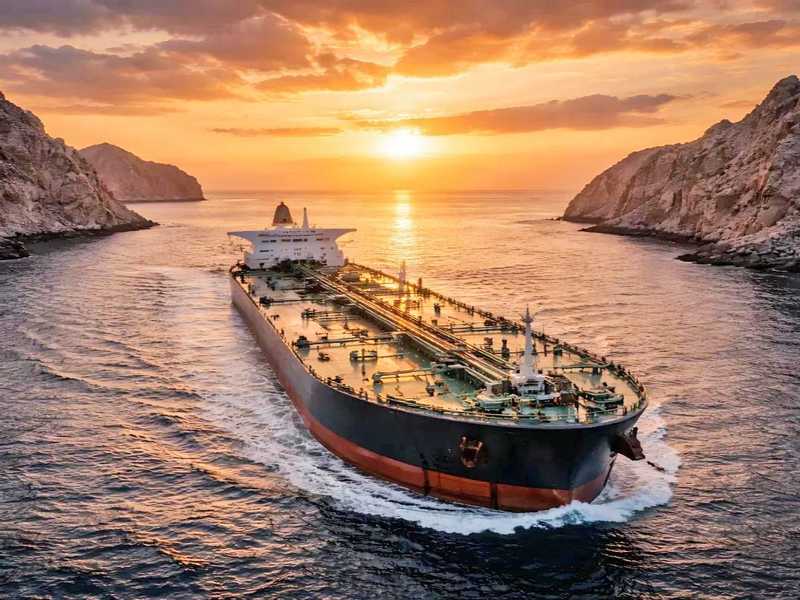
OPEC+ to pump 188,000 barrels per day
Translated by Alqyas from Al-Qabas — Original source
Seven OPEC+ alliance countries have agreed to adjust production levels, reaffirming their commitment to supporting global oil market stability. The decision followed a virtual meeting held by the seven nations (Saudi Arabia, Russia, Iraq, Kuwait, Kazakhstan, Algeria, and the Sultanate of Oman) on Sunday to review the state of the global oil market and its future outlook, as part of monitoring the additional voluntary cuts previously announced in April and November 2023. The participating countries decided to implement a production adjustment of 188,000 barrels per day starting in August 2026, within the framework of the additional voluntary cuts announced in April 2023. This decision will inject more supplies into the global market at a time when oil prices are declining, alongside the gradual resumption of oil exports through the Strait of Hormuz. The supply increases in August will be as follows:
- Saudi Arabia: Will increase production by 62,000 barrels per day, reaching 10.416 million barrels per day, the largest increase shared equally with Russia.
- Kuwait: Will raise production by 16,000 barrels per day, reaching 2.660 million barrels per day.
- Iraq: Will increase production by 26,000 barrels per day, reaching 4.405 million barrels per day.
- Algeria: Will increase production by 6,000 barrels per day, reaching 1.001 million barrels per day.
- Kazakhstan: Will raise production by 10,000 barrels per day, reaching 1.618 million barrels per day.
- Sultanate of Oman: Will increase production by 5,000 barrels per day, reaching 836,000 barrels per day.
- Russia: Will raise production by 62,000 barrels per day, reaching 9.887 million barrels per day.
The countries confirmed that the return of cut volumes to the market will occur partially or fully according to market developments, in a gradual manner, emphasizing their continued monitoring and assessment of market conditions. The seven countries reiterated the importance of adopting a cautious approach and maintaining full flexibility regarding increasing production or suspending or reversing the gradual phase-out of voluntary cuts, including the possibility of reapplying the voluntary cuts implemented under the November 2023 announcement if market conditions so dictate. The countries clarified that this step will provide participating countries with the opportunity to accelerate the implementation of plans to compensate for any previous production level exceedances. They also reaffirmed their full commitment to complying with the Cooperation Declaration, including the additional voluntary cuts monitored by the Joint Ministerial Monitoring Committee (JMMC), emphasizing their resolve to fully compensate for all excess production volumes recorded since January 2024. The seven countries agreed to continue holding monthly meetings to review market conditions, compliance levels, and compensation mechanisms, with the next meeting scheduled for August 2, 2026.
Seven key countries in the alliance had increased their production quotas between April and July by approximately 800,000 barrels per day. Production recovery began, but the implementation of these increases was largely disrupted by the United States' war on Iran, which led to the closure of the Strait of Hormuz to tankers sailing from some OPEC+ members, such as Kuwait and Iraq. According to OPEC data, the alliance's production fell to 33.13 million barrels per day in May, compared to 42.77 million barrels per day in February. Production began to recover in June thanks to US efforts to help the UAE and other OPEC+ countries export crude, but shipments remain below pre-war levels.
Despite ongoing supply disruptions, oil prices have returned to pre-war levels under the pressure of factors including declining Chinese imports and increased exports from producers outside the Middle East, as well as the largest coordinated drawdown of global strategic reserves in collaboration with the International Energy Agency. A memorandum of understanding aimed at ending the war has reinforced traders’ conviction that supplies will eventually return to normal levels. Brent crude was traded near $72 per barrel on Friday, down from a recent peak exceeding $120 per barrel.
Dr. Fahd bin Jumah, a former member of the Saudi Shura Council’s Economy and Energy Committee, stated that OPEC+’s decision to continue increasing production despite falling oil prices confirms that its priority is maintaining oil market balance, rather than exploiting opportunities created by the closure of the Strait of Hormuz. In an interview with Al Arabiya, he clarified that the current opportunity for OPEC+ countries is to continue boosting output, noting that some nations, both within and outside OPEC, are currently seeking to increase exports after a halt of about three months. This will exert downward pressure on prices amid the release of accumulated inventories and floating vessel cargoes, against a backdrop of slowing global demand growth.
Demand is expected to rise to rebuild inventories, which will help stabilize oil prices. It is also likely that oil tankers will continue to transit the Strait of Hormuz as efforts to resolve the crisis advance and regional producers seek to increase output to compensate for lost revenues over the past period. Experts point out that the decline in Chinese demand resulted from its reliance on massive reserves of around 1.2 billion barrels, and its policy of reducing demand by approximately 7 million barrels per day, anticipating that prices would fall further to enable inventory replenishment.
Oil Minister Tariq Al-Romih: Continuous coordination to monitor global oil market developments
Oil Minister Tariq Al-Romih affirmed Kuwait’s belief in the importance of consultation and coordination among producing countries in the face of rapid changes in energy markets, which contribute to enhancing the market’s capacity to handle various challenges over the past period. This was stated in a remark by Minister Al-Romih, as reported in a statement issued by the Ministry of Oil following his chairing of the Kuwaiti delegation at a meeting of the seven countries participating in the voluntary production cut exit agreement, held via video conferencing.
Al-Romih said the meeting comes within the framework of continuous coordination to monitor global oil market developments and review supply and demand indicators, thereby supporting market stability and enhancing supply reliability. He explained that the meeting serves to continue implementing the decision to exit the voluntary production cut agreement and raise total output, in line with a gradual and balanced approach according to oil market needs. He noted that the total increase for the seven participating countries in the exit agreement will be 188,000 barrels per day in August 2026, and Kuwait’s production for August 2026 will stand at 2.660 million barrels per day.
He stressed the importance of continuing dialogue and coordination to strengthen confidence in global energy markets and maintain their stability in the coming period. The Kuwaiti delegation, in addition to Minister Al-Romih, included Kuwait’s OPEC Governor Mohammed Al-Shatti and Kuwait’s National Representative to OPEC, Sheikh Abdullah Sabah Al-Salem Al-Sabah. The next meeting of the seven participating countries is scheduled for August 2, 2026.
