Proper Nutrition Supports Health of Chronic Disease Patients
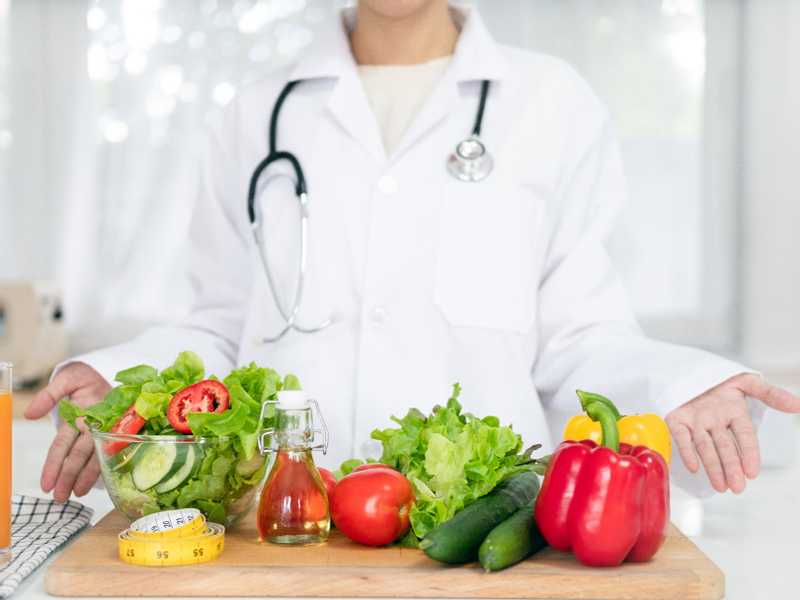
A US study showed that a specialized diet for patients reduces hospital admissions by 31% and emergency room visits by 20%.
Translated by Qiyas from القبس — Original source
Reem Qasim – The phrase “food is medicine” is no longer just a slogan championed by some; it is a scientific reality. A U.S. study, whose results were published in the journal Nature Medicine, showed that a dietary plan prescribed and provided to patients with chronic diseases can significantly reduce hospital admissions and emergency department visits. Over approximately seven months, study participants, all of whom suffered from serious health conditions, consumed ten meals per week. These meals were designed by nutritionists according to fifteen different dietary plans tailored to their specific health conditions (such as diabetes, heart failure, kidney disease, depression, and others). The result was a 31% reduction in hospital admissions and a 20% reduction in emergency department visits, with savings that roughly equaled the cost of the program, and in some cases, such as kidney failure or cardiovascular diseases, significantly exceeded it. In other words, researchers concluded that good nutrition not only improves patients’ health but also alleviates pressure on hospitals.
◄ Health improvement
Professor Eric Fontaine, a nutrition specialist and member of the group dedicated to combating malnutrition, stated in an interview with the French newspaper Le Figaro that “when patients receive proper nutrition, their condition improves, as ‘food is medicine’ is no longer just a slogan, but a clinical reality.” The expert insists that the U.S. study confirms what medicine still struggles to fully understand: that an appropriate diet can be as effective as medication. He cites a Swiss clinical trial conducted in 2019, which showed that close monitoring of diet reduced the mortality rate within 30 days by 30%. He commented, “There are very few drugs capable of achieving a similar effect.”
◾ Priority to nutrient-dense foods
The nutrition specialist points out that patients, especially the elderly, often consume smaller amounts of food, making it essential that their meals are rich in energy and nutrients. He explains, “When a patient cannot eat large quantities of food, they need to obtain as much energy as possible from limited portions. Therefore, foods such as fried potatoes, mayonnaise, and pizza may be suitable options in some cases.” He emphasizes that the problem does not lie with fats, sugar, or salt themselves, but rather in their excessive consumption—an issue that typically does not apply to patients with poor appetite or reduced food intake. Therefore, nutrition must be tailored to the health condition and supervised by medical professionals, as recommendations for healthy individuals, such as limiting fats, sugar, and salt, may not be appropriate and could even be harmful to some patients.
