Beware of children's excessive sports participation
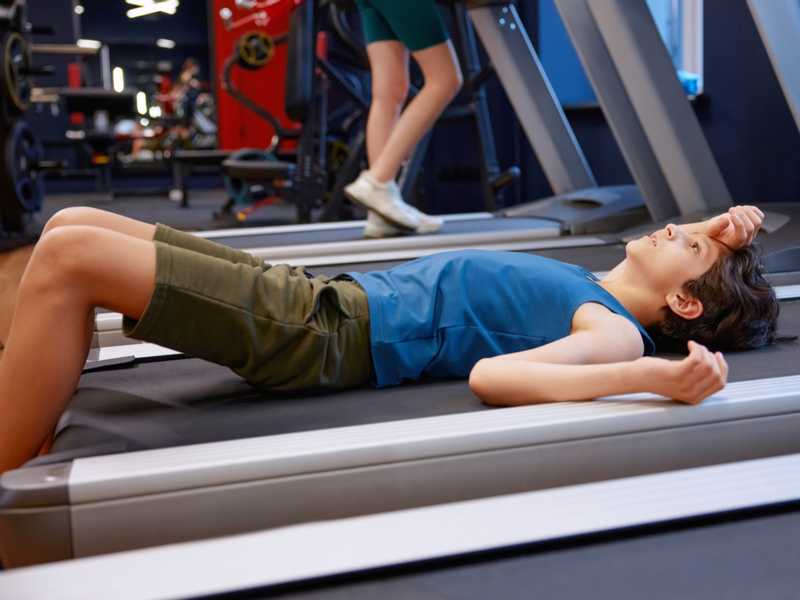
Health experts warn against children's excessive sports participation and its psychological and physical effects.
Translated by Alqyas from Al-Qabas — Original source
Rim Qasim: Health experts warn of rising lethargy and screen addiction among children and youth, urging parents to encourage their children to engage in sports and physical activity. This often succeeds, as many children rediscover the joy of movement, self-challenge, and competitive spirit after years of inactivity. However, experts caution that when sports become overly intensive and excessive, they can pose risks rather than promote health. While physical activity helps prevent obesity, improves sleep, concentration, and self-confidence, overtraining can disrupt the balance of a child’s still-developing body. In this context, the French National Academy of Medicine has expressed concern about the effects of intensive training in certain sports that place heavy emphasis on body shape and weight, such as gymnastics, figure skating, swimming, and long-distance running, where children face continuous pressure related to appearance and performance.
◄ Hidden psychological risks
The dangers are not limited to physical aspects. Experts point out that stress, anxiety, eating disorders, and even depression can emerge in children subjected to continuous physical and psychological training pressure, especially when accompanied by high expectations from parents or coaches. French media reports warn that phrases that appear encouraging on the surface, such as insistence on achievement or early comparison with sports stars, can trap children in an endless cycle of pressure. Injuries may sometimes become an unconscious means of escaping this excessive pressure.
◄ Monitoring and prevention
To avoid overtraining, experts recommend regular medical check-ups when training exceeds eight hours per week. A family doctor can monitor the child’s growth and heart rate, track their mental and academic well-being, and refer them to a sports medicine specialist if needed. Specialists also emphasize the importance of parents and coaches paying attention to early warning signs, such as persistent fatigue, declining academic performance, or loss of enjoyment in sports. In many cases, adjusting the training program or temporarily reducing its intensity is sufficient, particularly if growth slows down. Experts conclude that children can safely engage in up to 15 hours of sports per week, provided they receive adequate sleep, proper nutrition, and balanced psychological and academic support. As they stress, the goal is not to produce champions at any cost, but to nurture healthy children and youth who enjoy physical and psychological balance.
