Kuwaiti Embassy in New Delhi organizes 'Sadu Association' and 'Kashmir Lum' exhibitions on the 65th anniversary of diplomatic relations
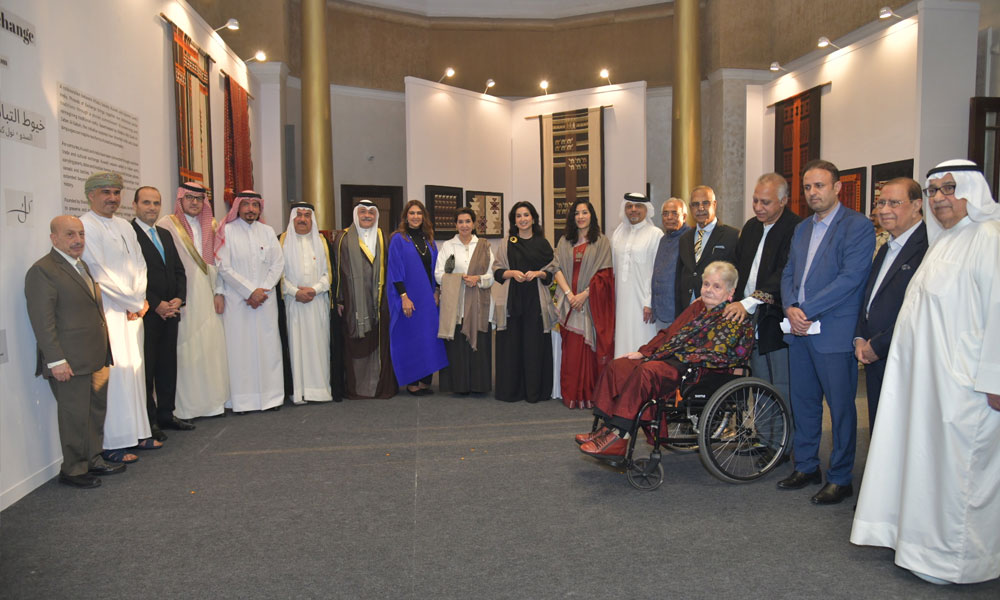
The Kuwaiti Embassy in New Delhi organized an exhibition combining Kuwaiti Sadu heritage and Kashmiri textile art, with participation from associations and intellectuals from both countries.
Translated by Alqyas from Kuwait News — Original source
The Kuwaiti Embassy in New Delhi, in collaboration with the Kuwaiti Sadu Artisans Association and India’s Kashmirloom, organized an exhibition today, Wednesday, to mark the 65th anniversary of diplomatic relations between Kuwait and India, as a step to add a cultural dimension to the celebrations.
In a statement, the Kuwaiti Embassy in New Delhi said the three-day exhibition brings together the craftsmanship of Kuwaiti artisans and the ancient weaving traditions of Kashmir to highlight the rich artistic heritage shared by the two cultures.
The opening ceremony, held at Picnic House in New Delhi, was attended by Kuwait’s Ambassador to India Meshal Al-Shammari and a Kuwaiti delegation led by Sheikh Bibi Duja Jaber Al-Sabah, President of the Sadu Artisans Association, along with several ambassadors, a select group of intellectuals, and representatives of the Indian government.
On this occasion, Sheikh Bibi Al-Sabah emphasized that the “Threads of Exchange” exhibition is the result of cooperation between the Kuwaiti Sadu Association and India’s Kashmirloom, combining distinctive weaving traditions driven by a shared commitment to preserving traditional crafts and reinterpreting them through a contemporary vision.
She added that this initiative explores how inherited skills can inspire new forms of creative expression, noting Kuwait’s centuries-old ties with India through maritime trade and cultural exchange. Kuwaiti ships sailed to Indian ports laden with pearls, dates, and Arabian horses, returning with wood, spices, grains, and textiles. These voyages forged close relationships that transcended commerce, shaping a shared social and cultural history.
The Sadu Association, founded by Sheikh Altaf Salem Al-Ali Al-Sabah, works to preserve and promote Kuwait’s rich textile heritage. Kashmirloom, established by art and textile historian Jenny Haigh in partnership with Asif Ali and his brothers, aims to preserve Kashmir’s ancient weaving traditions while exploring their potential in the modern era.
Sheikh Bibi Al-Sabah further noted that the exhibition creates an artistic dialogue between geometric patterns and nature-inspired colors, and the unique motifs of Kuwaiti Bedouin weaving, and the intricate Kashmiri embroidery known as “Aari.” Using a hooked needle and the distinctive chain stitch, Kashmiri artisans reinterpret the visual language of Sadu, creating a meeting point between the two cultures through materials, techniques, and designs.
Sadu art, traditionally practiced by Bedouin women, emerged in response to the demands of nomadic life. It utilized sheep’s wool and animal hair to weave functional textiles for the traditional Bedouin tent, including tent panels, dividers, floor coverings, and storage bags. Its geometric patterns and distinctive colors reflect the desert environment, tribal identity, and the ingenuity of the communities that created it.
In 2011, UNESCO inscribed Sadu on its Representative List of the Intangible Cultural Heritage of Humanity, making it a key element of Kuwait’s cultural heritage.
The “Threads of Exchange” exhibition celebrates the knowledge and creativity of artisans who sustain these living traditions by combining traditional techniques with contemporary design. This collaboration seeks to create new opportunities for transmitting and promoting these crafts, ensuring their continued relevance and guaranteeing that these exceptional skills endure for future generations.
Kuwaiti artisans specializing in the traditional Sadu weaving craft, alongside their Indian counterparts from Kashmirloom, are showcasing a collection of textiles and handicrafts, including carpets, rugs, mats, and decorative pieces. The exhibition also highlights the fine artistic skills and cultural heritage passed down through generations.
For his part, Asif Ali stated that “the cooperation between the two sides began with an initiative by Sheikha Altaf Salem Al-Ali Al-Sabah, and Sheikha Bibi Al-Sabah continued its development. We drew inspiration from many ideas and designs, exchanged joint designs, and held workshops at the Dar Al-Sadou with weavers and embroiderers who had moved from Kashmir to Kuwait.”
He noted that cultural ties and people-to-people contacts contribute to the relationship between the two countries, emphasizing that the Kuwaiti side has shown great appreciation and support for Indian handicrafts. He also expressed the Indians’ affection for Kuwaitis, their appreciation of Kuwaiti aesthetic tastes, and their continuous support.
He expressed his hope that the exhibition would serve as a starting point for further direct communication between the two peoples, praising the role of the Kuwaiti embassy, particularly the contributions of Ambassador Al-Shamali, in organizing the exhibition.
