Justice Minister: Juvenile Cases Drop 58% in First Nine Months of 2026
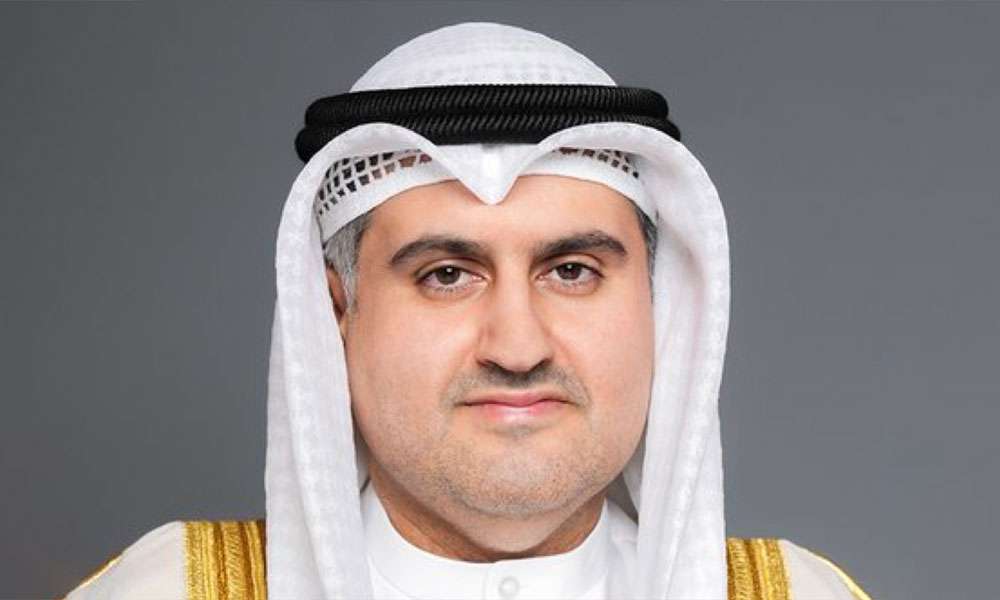
Justice Minister Nasser Al-Samit announced a 58% drop in juvenile cases, linking it to legislative reforms and efforts by relevant authorities.
Translated by Alqyas from Kuwait News — Original source
Justice Minister and Legal Advisor Nasser Al-Sumait stated that juvenile cases registered with the Public Prosecution declined by 58 percent during the period from January 1 to September 30, 2026, compared to the same period in 2024, with the number dropping from 2,815 to 1,176 cases, a decrease of 1,639 cases, according to statistics extracted from the electronic systems of the Ministry of Justice.
In an interview with the Kuwait News Agency (KUNA) on Sunday, Legal Advisor Al-Sumait emphasized that protecting youth from engaging in crime is a national priority. He noted that addressing juvenile delinquency requires combining legal protection, prevention, awareness, care, and rehabilitation to safeguard their futures and enhance societal security.
He added that the recent period witnessed important legislative reforms, including amendments to the Traffic Law that tightened penalties for serious traffic violations, and amendments to the Penal Code that increased punishments for negligent homicide and negligent injury. These were complemented by the issuance of a new law combating drugs and psychotropic substances, thereby strengthening the legislative framework to protect society and youth from risks associated with these crimes.
Al-Sumait pointed out that amendments to the Weapons and Ammunition Law enhanced the response to the risks of white weapons by criminalizing their possession or carrying in prohibited places without legal justification, and criminalizing the deliberate intimidation of others by carrying them in public places, with penalties doubled in cases of recidivism. These measures contribute to strengthening protection against assaults and threats thereof.
Al-Sumait praised the efforts of the Ministry of Interior in preventing and combating juvenile crimes, the role of the Ministry of Social Affairs in caring for and rehabilitating juveniles, and the efforts of the Supreme Council for Family Affairs, the Ministry of Health, and relevant authorities in protecting children from violence and abuse and providing them with psychological and social support.
He stressed that protecting juveniles is not limited to addressing crime after it occurs, but begins with the family, school, and early awareness. He emphasized that intervening when risk indicators appear, guiding youth toward proper behavior, and rehabilitating those in need are shared responsibilities aimed at preserving their futures and preventing their involvement in crime.
