Egypt renews call for intensifying regional and international efforts to avoid military escalation in the region
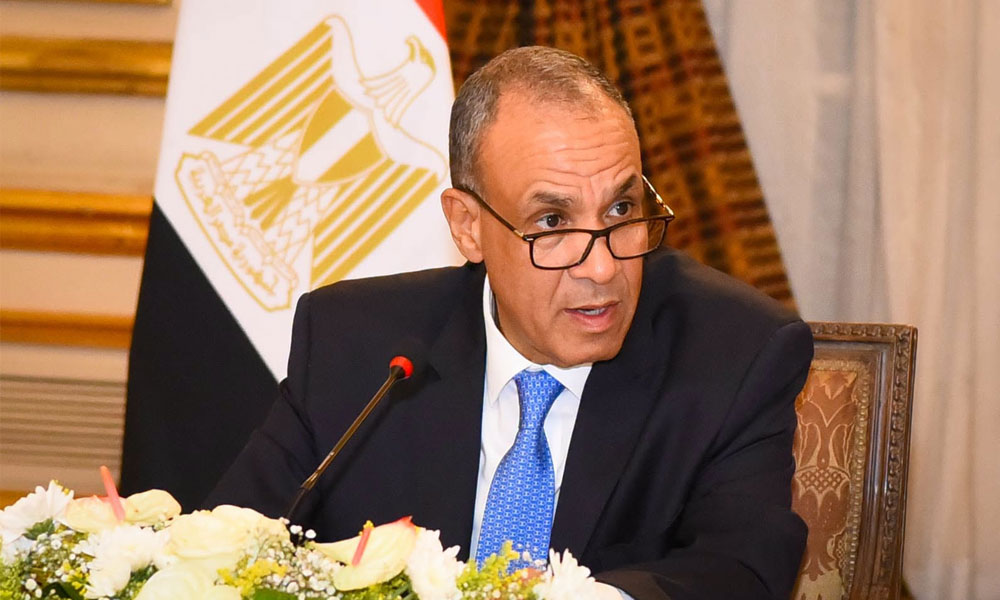
Badr Abdelatty and Abbas Araghchi agree on the necessity of avoiding military escalation
Translated by Qiyas from كويت نيوز — Original source
Egypt renewed its call on Tuesday for intensified regional and international efforts to prevent a resumption of military escalation in the region, warning of the political, economic, and security repercussions for its own country and the world at large.
This came during a telephone conversation between Egyptian Foreign Minister Badr Abdelatty and his Iranian counterpart Abbas Araghchi, which covered developments in the current crisis and efforts to de-escalate tensions and contain regional instability, according to a statement from the Egyptian Foreign Ministry.
The statement added that the call is part of regular consultations between the two ministers to discuss recent developments in the region and concerns that they could lead to renewed escalation and military actions.
It clarified that the two sides discussed the intensive efforts being made by regional partners to de-escalate tensions, prioritize dialogue and diplomacy, and return to the negotiating table to reach a comprehensive deal that addresses the concerns of all parties.
The statement quoted Abdelatty emphasizing the need for all parties to exercise the necessary flexibility and work seriously to achieve a political solution to the crisis that would spare the region from risks and repercussions beyond its capacity to bear.
Abdelatty stressed that Egypt attaches special importance and priority to the security of Gulf states, considering it an extension of Egypt’s and the Arab world’s national security, and underscored the necessity of continuing restraint and intensifying efforts and communications to prevent new military escalation.
He pointed to warnings issued earlier on Tuesday by Egyptian President Abdel Fattah el-Sisi regarding the dangers of military escalation and its political, economic, and security repercussions not only for the region and its countries, but for the world as a whole.