Health Minister: Combating urinary tract diseases requires integration between health facilities and civil society organizations
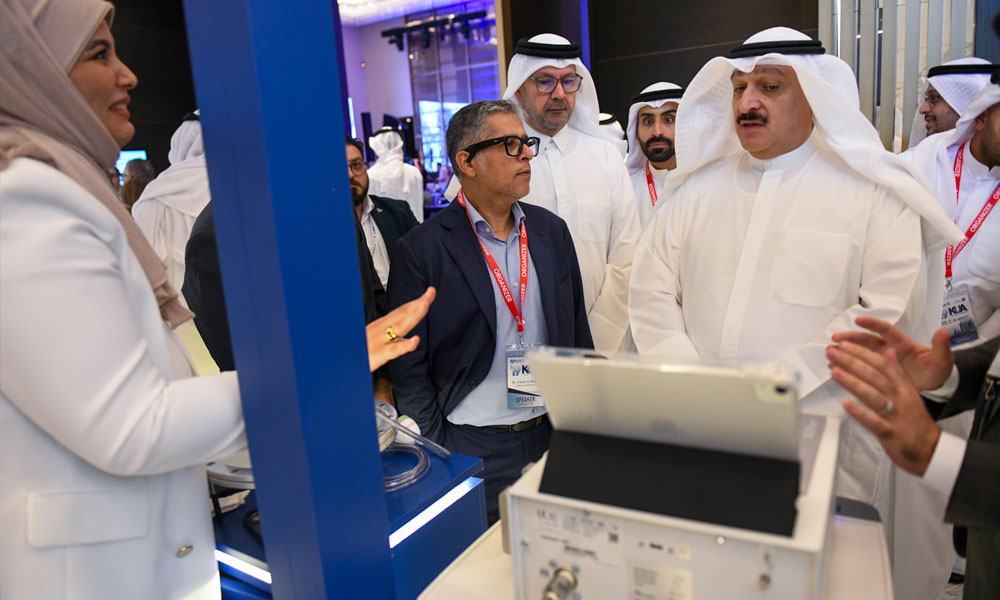
Health Minister and Kuwait Association discuss developing health services and robotic surgery.
Translated by Qiyas from كويت نيوز — Original source
Health Minister Dr. Ahmed Al-Awadi said on Friday that combating urinary tract diseases requires an integrated role between health facilities and civil society institutions, foremost among them the Kuwait Association of Urological Surgery, as responsibility extends beyond merely providing treatment to enhancing health awareness, prevention, and encouraging appropriate periodic screenings based on age and risk factors.
This statement was made by Minister Al-Awadi during his speech at the opening of the 19th Annual Conference of the Kuwait Association of Urological Surgery, which spans two days and features a select group of doctors, experts, and researchers from within Kuwait and abroad.
Minister Al-Awadi added that the exchange of knowledge and expertise is a fundamental pillar for developing medical practice and discussing the latest developments in the diagnosis and treatment of urinary and reproductive system diseases.
He expressed pride in the medical and health personnel working in Ministry of Health hospitals, who provide diagnostic, therapeutic, and surgical urological services through clinics and surgeries, staffed by qualified national cadres.
He also praised the achievements of national experts in robotic surgery, noting that the number of robotic procedures at Sheikh Sabah Al-Ahmed Kidney and Urology Center has surpassed 2,000 to date. The center began successfully implementing remote robotic surgeries in December 2024, conducting 12 international procedures and three local procedures within Kuwait, demonstrating the use of modern technologies to serve patients according to the highest safety and quality standards.
For his part, Dr. Faisal Al-Hajeri, President of the Kuwait Urological Association and the conference, told the Kuwait News Agency (KUNA) that this year’s conference focuses on discussing male infertility issues, as well as the latest therapeutic and technological approaches for benign prostatic hyperplasia, including traditional surgeries, robotic surgeries, and endoscopic procedures.
He added that the conference this year sees a significant presence of national medical cadres, exceeding previous sessions, reflecting the association’s continuous commitment to supporting Kuwaiti expertise and highlighting their skills in various specialized fields.
Dr. Al-Hajeri pointed out the participation of speakers and experts from several sister and friendly countries, including Qatar, Bahrain, the United Arab Emirates, Egypt, and Italy, to exchange experiences and learn about the latest technological advancements and innovations in urological surgeries.
