UN: El Niño Phenomenon to Intensify and Peak by Year-End
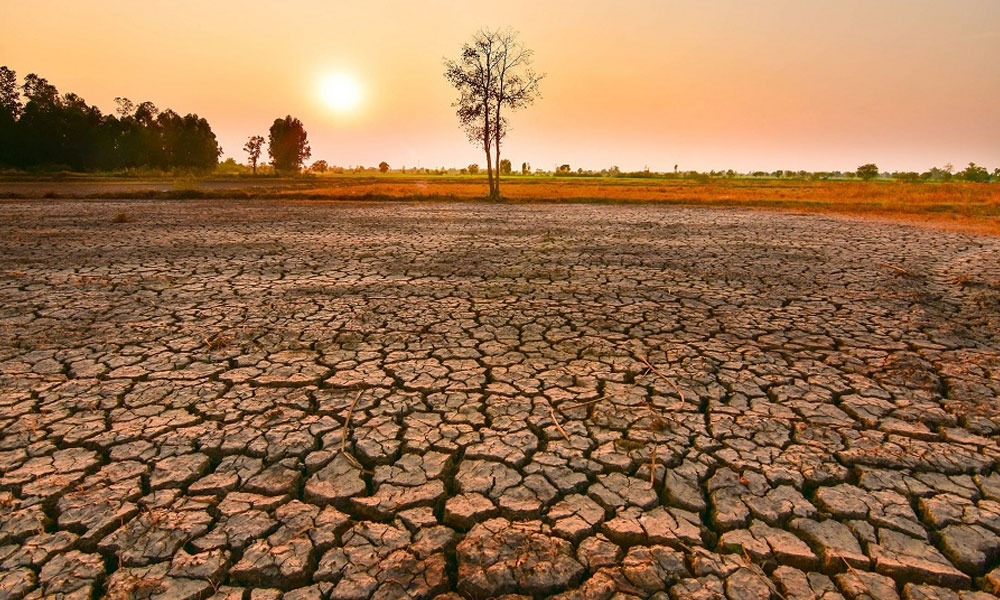
The United Nations said on Thursday that El Niño will intensify further before peaking in December, warning that the current wave could be among the strongest recorded since at least 1950.
The UN’s World Meteorological Organization (WMO) explained that this natural phenomenon will lead to higher temperatures across large parts of the planet, exacerbating the impacts of climate change caused by human activities.
In its monthly update on global seasonal climate, the WMO stated, “El Niño will continue to intensify before reaching its expected peak in December.”
It added, “It is likely to cause above-average temperatures across large parts of the world and alter rainfall patterns, increasing the risks of droughts and floods in various regions.”
El Niño causes sea surface temperatures to rise in the central and eastern equatorial Pacific Ocean, triggering changes in wind patterns, atmospheric pressure, and rainfall around the globe.
El Niño typically occurs every two to seven years and lasts about nine to 12 months.
It alternates with its opposite phase, La Niña, with periods of neutral conditions in between.
The organization said, “Sea surface temperatures in the central and eastern tropical Pacific are expected to reach record levels during October, November, and December 2024, reflecting the intensification of El Niño, which will affect weather patterns and have repercussions on economies, ecosystems, and communities worldwide.”
These forecasts are based on consensus among 13 leading national and international meteorological centers.
WMO Secretary-General Celeste Saulo said, “El Niño has become established and is intensifying rapidly.”
She added, “WMO forecasts indicate a near 100 percent probability that it will persist until February 2025, and it may be among the strongest El Niño events since at least 1950.”
Saulo clarified that El Niño does not add new heat to the planet but rather releases heat stored in the ocean.
