Health Minister Approves Regulations on Radioisotope Concentration Limits in Food, Drinking Water, and Feed
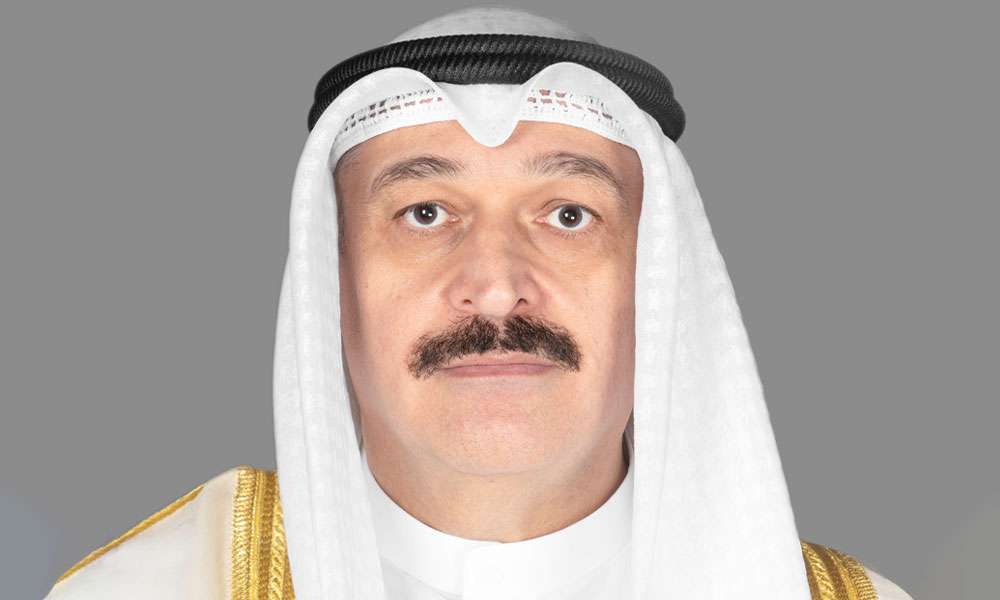
Kuwait’s Minister of Health, Dr. Ahmed Al-Awadi, issued a ministerial decision today, Monday, approving a regulation that sets maximum limits for the concentration of radioactive isotopes in food, drinking water, and animal feed, thereby strengthening oversight of these products and safeguarding consumer health.
In a press release, the Ministry of Health stated that the regulation prohibits the circulation of food products in which the concentrations of radioactive isotopes exceed the limits specified according to the type of isotope and the food category.
It clarified that the substances are measured in becquerels per kilogram, and it outlines how to calculate radioactive activity when more than one isotope from the same group is present. The regulation exempts dried or concentrated foods from these limits, as they are subject to an exceptional intervention level of 0.3 millisieverts per year.
Regarding drinking water, the decision stipulates that the maximum limit for the concentration of alpha-emitting radioactive isotopes is 0.5 becquerels per liter, and for beta-emitting isotopes, it is 1 becquerel per liter, with the radioactive isotope K-40 exempted from the beta particle limits. It also set the maximum total radioactive activity of non-natural isotopes in animal feed at 300 becquerels per kilogram.
The ministry explained that if the prescribed limits in food products are exceeded, the Radiation Prevention Administration will notify the relevant authorities to take necessary measures, which include inspecting locally produced foods or those circulating within the country and taking appropriate action regarding their circulation.
With regard to imported foods, it clarified that procedures are carried out in coordination with the Public Authority for Food and Nutrition or the General Customs Administration to take appropriate measures in accordance with established regulations.
