Adel Al-Majid: Capital adequacy, liquidity, and proactive planning are key pillars to enhance the resilience and stability of the banking sector
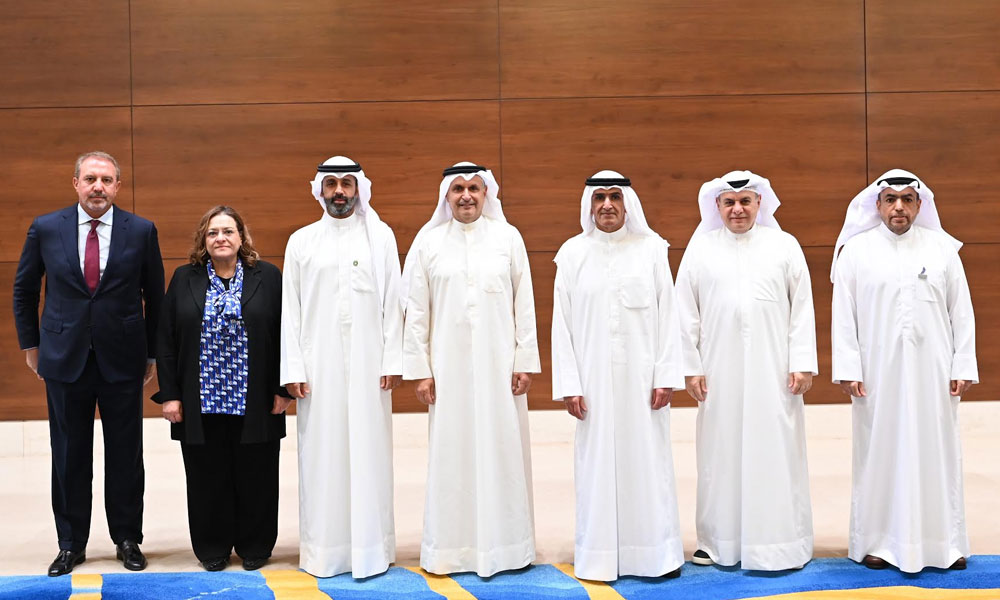
Adel Al-Majid, Vice Chairman and Chief Executive Officer of Boubyan Group, emphasized that enhancing the competitiveness of the Kuwaiti banking sector in the coming years hinges on its ability to continue developing its
Translated by Qiyas from كويت نيوز — Original source
Adel Al-Majid, Vice Chairman and Chief Executive Officer of Boubyan Group, emphasized that enhancing the competitiveness of the Kuwaiti banking sector in the coming years hinges on its ability to continue developing its business models, diversifying funding and revenue sources, improving operational efficiency, and leveraging opportunities offered by capital markets, modern technologies, and sustainable finance. These efforts will strengthen the sector’s role in supporting the national economy and consolidating financial stability in the long term.
He noted that recent economic and geopolitical shifts have underscored the importance of maintaining strong capital and liquidity levels, diversifying credit portfolios across various sectors, and enhancing proactive risk planning. Stress-testing funding sources and deposit stability against various scenarios further bolsters the sector’s readiness and capacity to manage changes efficiently.
These remarks were made during Al-Majid’s participation in a closed-door banking panel hosted by the Central Bank of Kuwait (CBK) in collaboration with Global Finance magazine. The session featured H.E. Bassel Al-Haroun, Governor of the CBK, and a select group of senior executives from the Kuwaiti banking sector, who discussed the opportunities and challenges facing Kuwait’s economy and financial sector, key transformations shaping the future of the banking industry, and the priorities needed to further strengthen the sector’s resilience and robustness at global, regional, and local levels.
Regarding the structural and operational priorities for the Kuwaiti banking sector over the next three to five years, Al-Majid explained that the current phase requires improving the funding mix and diversifying revenue streams, alongside enhancing cost management efficiency and building broader capabilities to utilize capital market instruments. This will support banks’ ability to sustain growth amid economic and financial transitions.
He added that raising the efficiency of the banking sector necessitates continuing to strengthen operational and cyber resilience in cooperation with the CBK, accelerating automation, and expanding the use of artificial intelligence in customer-facing services, internal operations, and decision-making. This should run parallel to the development of frameworks for environmental, social, and governance (ESG) standards and sustainable finance.
On the topic of financing and liquidity regulations, Al-Majid affirmed that developing a deeper and more diversified local market for sovereign bonds and sukuk represents a crucial step toward supporting capital markets and enhancing liquidity management efficiency within the banking sector. These instruments provide banks with a local base of high-quality liquid assets, helping them meet regulatory requirements and reducing reliance on foreign sovereign instruments for liquidity management purposes.
He clarified that increasing the volume of sovereign issuances contributes to building a local yield curve, which serves as a clearer and more accurate benchmark for pricing bank issuances. This facilitates more efficient access to funding for banks and expands the range of investment tools and opportunities available in the local market.
Al-Majid further noted that developing the trading of sovereign debt instruments would support an effective local repurchase agreement (repo) market, thereby enhancing interbank liquidity and providing the CBK with more efficient tools for liquidity management and open market operations.
He highlighted that Boubyan’s experience in the sukuk and financing issuance markets underscores the importance of a more efficient local market, which helps establish a clear and specific pricing benchmark for issuances. This, in turn, supports banks’ ability to diversify funding sources and access a broader investor base both locally and regionally.
Regarding the impact of technology on the sector’s future, Al-Majid stated that artificial intelligence has become a business agenda reshaping customer experience, productivity, growth, and risk management. He explained that the most significant opportunities for banks lie in delivering more accessible, faster, and tailored services to meet each customer’s needs, while boosting employee productivity, operational efficiency, and regulatory functions.
He emphasized that accelerating innovation requires secure technology platforms, robust governance frameworks, and controlled environments that allow for the testing and scaled deployment of new solutions in a measured manner, all while maintaining cybersecurity, protecting customer data, and ensuring compliance with regulatory requirements and human accountability.
He added that governance is a fundamental factor enabling financial institutions to expand their use of AI safely, reiterating that Kuwait’s true opportunity lies in cultivating a market capable of innovating in AI technologies while preserving customer trust and operational resilience.
On the level of Boubyan, Al-Majid clarified that the bank is adopting an integrated corporate program for AI transformation, based on a multi-year roadmap that guides its transition from digital leadership to becoming an AI-powered institution. This initiative focuses on enhancing customer experience, empowering employees, and improving operational efficiency, all within a clear governance framework and responsible usage guidelines.
Regarding sustainability, he noted that the Kuwaiti banking sector is witnessing a clear shift toward integrating environmental, social, and governance (ESG) criteria and sustainable finance into its strategies and financing and investment decisions. This trend is evident in the growth of investments in sustainable assets and projects, as well as in the progress made by several Kuwaiti banks in this field.
He pointed out that Kuwait holds promising opportunities to expand sustainable finance, particularly in renewable energy projects, financing for small and medium-sized enterprises (SMEs), and financing for emission reduction pathways in the oil and petrochemical sectors. Additionally, he highlighted the development of a local sukuk market, which contributes to diversifying capital sources and activating the secondary market.
Al-Majid concluded his remarks by emphasizing that the future development of the banking sector requires a comprehensive vision that combines financial strength, operational efficiency, and responsible innovation. He stressed the need to leverage opportunities in capital markets, artificial intelligence, and sustainable finance to enhance the sector’s competitiveness and broaden its contribution to supporting economic growth and diversification in Kuwait.
