United Nations counts return of more than 800,000 displaced persons to their areas in Lebanon
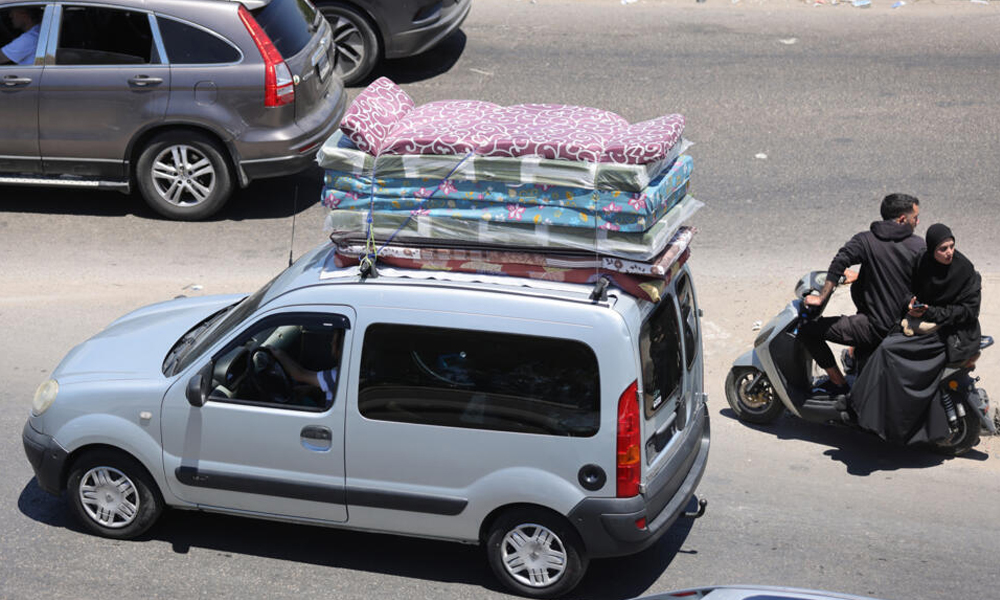
More than 800,000 Lebanese displaced by the war between Hezbollah and Israel have returned to their areas, according to the United Nations, following a decline in the pace of violence in southern Lebanon. The UN Office f
Translated by Qiyas from كويت نيوز — Original source
More than 800,000 Lebanese displaced by the war between Hezbollah and Israel have returned to their areas, according to the United Nations, following a decline in the pace of violence in southern Lebanon.
The UN Office for the Coordination of Humanitarian Affairs (OCHA) said in a report on Tuesday night that “821,077 people had begun returning to their original areas by July 30,” while more than 360,000 people remain displaced, with about 26,000 of them staying in government shelters.
The war in the Middle East expanded into Lebanon after Hezbollah launched missiles at Israel in response to the killing of Supreme Leader Ali Khamenei in the initial US-Israeli strikes on Iran. Israel responded with a wide-ranging campaign of air raids and a ground invasion of southern Lebanon.
The pace of violence in Lebanon has significantly decreased since Washington and Tehran signed a memorandum of understanding in June to halt the war between them, including in Lebanon, and to continue Lebanese-Israeli negotiations.
Lebanon and Israel are holding a seventh round of US-brokered negotiations in Rome, which began on Tuesday and will continue until Thursday, with Lebanon seeking to achieve Israeli withdrawals from new areas in the south of the country.
Despite the ceasefire, Israel continues to carry out sporadic air raids and artillery shelling, and conducts large-scale demolition and bombing operations in southern towns.
The Office for the Coordination of Humanitarian Affairs stated that damage to water and electricity infrastructure caused by the war has severely affected the access of more than 700,000 people to water in southern Lebanon, the area that witnessed the largest displacement movement during the war.
After five rounds of negotiations in Washington, Lebanon and Israel signed a framework agreement in June, which stipulates, among other things, the disarmament of Hezbollah, a gradual Israeli withdrawal from southern Lebanon, and the deployment of the Lebanese army in the area, starting from “pilot areas.”
However, Hezbollah has rejected the agreement and refuses to hand over its weapons. Its Secretary-General, Naim Qassem, said on Tuesday that direct negotiations would bring Lebanon “nothing but shame, humiliation, disappointment, and successive concessions.”
