Russia issues international arrest warrant for Telegram founder on charges of complicity in "terrorist activities"
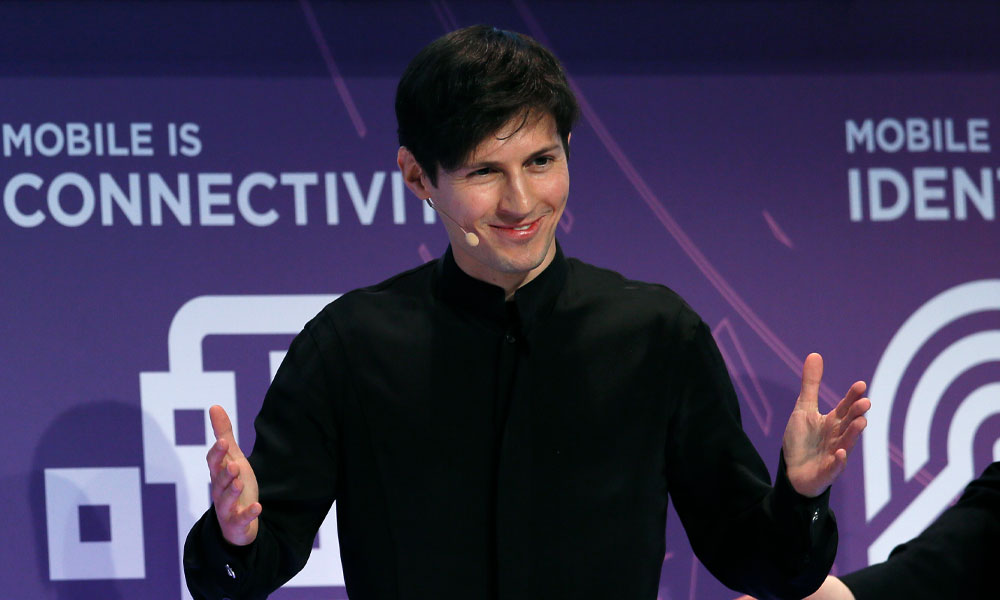
Russia announced on Wednesday the issuance of an international arrest warrant against Pavel Durov, the founder and chief executive of the Telegram platform, on charges of complicity in “terrorist activities” and allowing
Translated by Qiyas from كويت نيوز — Original source
Russia announced on Wednesday the issuance of an international arrest warrant against Pavel Durov, the founder and chief executive of the Telegram platform, on charges of complicity in “terrorist activities” and allowing the platform to be used as a tool for recruitment by Ukraine.
Durov, who was born in Russia, is a technology entrepreneur who has lived abroad for years and holds French and Emirati passports. He has repeatedly clashed with Russian authorities amid Moscow’s tightening grip on the internet.
Telegram, one of Russia’s most prominent social media platforms, has been repeatedly targeted by officials who have attempted to block it or undermine its success, in an effort to pressure Durov into handing over user data or to steer users toward an alternative, state-backed unencrypted application.
The Russian Federal Security Service (FSB) stated that it had begun taking international legal action against Durov.
“In a statement, the agency added that an international arrest warrant had been issued against Durov, who is currently in France.
It remained unclear what type of arrest warrant or notice Russia had issued against Durov, and whether other countries or law enforcement agencies would recognize or comply with it.
Moscow has long targeted political opponents with charges of supporting “terrorism” or “extremism,” even those who have left the country.
The FSB alleged that the Telegram app had been used as a recruitment platform for Ukrainian security services seeking to coerce Russians into carrying out sabotage acts, and that Durov had failed to remove “prohibited information.”
The agency noted that Durov faces charges of “complicity in terrorist activities within the framework of a criminal investigation” regarding alleged Ukrainian special services training young Russians to carry out sabotage operations.
The FSB accused Telegram of failing to remove a popular dating chatbot, which it claimed Ukrainian special services were using to train young Russians in “terrorist and sabotage activities.”
According to the statement, 46 Russians aged between 12 and 22 were arrested in various Russian regions in July 2025 for using the banned “Leo Match Bot” application, charged with assaulting security personnel and carrying out sabotage attacks targeting energy and transport facilities.
The FSB confirmed that operatives from Ukrainian special services had contacted these young Russians through the bot, posing as young women, with the aim of later pressuring them to assault police officers and set fire to facilities.
Durov did not immediately comment on the intelligence agency’s allegations.
Russia and Ukraine have been exchanging accusations over the use of social media for recruitment purposes in the ongoing war, now four and a half years old.
Durov, 41, is also facing legal issues in France, including allegations related to the spread of illegal content on Telegram.
Born in St. Petersburg, the birthplace of President Vladimir Putin, Durov founded VKontakte, a social networking site widely known as “Russia’s Facebook.”
He was forced to leave the company after it came under pressure from authorities in the mid-2010s, and subsequently established Telegram, a social networking and messaging platform.
Telegram quickly became one of the most widely used online platforms in Russia, easily surpassing years-long attempts by Moscow’s internet regulators to block access to it.
This year, the state-controlled social network VKontakte, now known as VK, has been promoting the government-backed messaging app Max, urging Russians to use it instead of Telegram and WhatsApp.
Durov criticized the platform, describing it as “an app under state control, designed for surveillance and political censorship.”
