The Kuwait-Saudi Joint Permanent Committee holds its 119th meeting
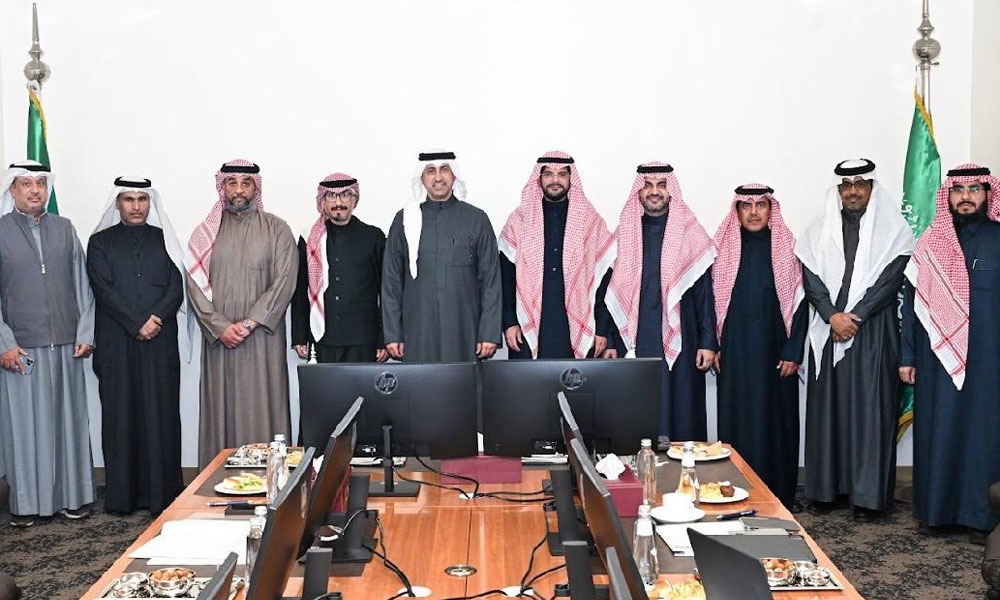
The Joint Committee held its 119th meeting in Al-Khafji to discuss petroleum and tax cooperation and the development of corridors in Al-Nuayyib and Al-Khafji.
Translated by Alqyas from Kuwait News — Original source
The Kuwaiti-Saudi Joint Standing Committee held its 119th meeting today, Sunday, at the committee’s headquarters in Al-Khafji, Saudi Arabia. The Kuwaiti side was chaired by Undersecretary of the Ministry of Oil Sheikh Dr. Namar Fahad Al-Malal Al-Sabah, while the Saudi side was chaired by Assistant Minister of Energy Mohammed Al-Brahim.
In a press statement, the Kuwaiti Ministry of Oil said the meeting continued the ministry’s efforts to implement the provisions of the memorandum of understanding signed between the two countries on December 24, 2019, which was approved under Law No. 2 of 2020 issued on January 29, 2020. This reinforces joint coordination and serves the strategic interests of both parties in the Divided Zone.
The statement clarified that the meeting reviewed reports on petroleum operations in the land Divided Zone and the adjacent submerged Divided Zone, including strategic plans, ongoing and future major projects, and obstacles that may hinder the implementation of these plans. It also covered the use of modern and advanced technologies in petroleum operations, environmental and safety projects, development plans, and the training of national workforce.
The statement quoted Sheikh Namar Al-Sabah as saying that progress was reviewed regarding measures to evacuate the Saudi Arabian Chevron company’s administrative buildings and the residential area of the site in the Al-Zour area. He added that close coordination was maintained through joint meetings with relevant authorities to ensure the successful implementation of evacuation measures, noting that the sites were handed over by the Government of the State of Kuwait on January 20, 2026, reflecting a high level of cooperation and institutional integration between the two sides.
Sheikh Namar Al-Sabah noted that the meeting addressed efforts to allocate a dedicated road and passage at the Nuwaybiba and Al-Khafji crossings. A new road route for workers involved in joint operations through land crossings (Nuwaybiba–Hama) was opened, and the necessary technical requirements were provided, including programming magnetic cards, equipping gates, and installing internet devices. These measures facilitated worker movement and resolved challenges related to their travel to operational sites and oil facilities.
He pointed out that the committee reviewed programs and plans for the development and investment of land and offshore fields, accelerating their completion in line with their schedules and timelines. Emphasis was placed on providing the necessary support and assistance to enable the implementation of the development program, including associated engineering, technical, and construction works, through continuous coordination with relevant authorities.
He explained that the meeting discussed establishing a unified mechanism for tax transactions between the Kuwaiti and Saudi sides, aiming to create a clear regulatory framework for concerned entities. This would help organize revenues and enhance the efficiency of related procedures, ensuring fairness and transparency while serving mutual interests. He added that the heads of both sides signed during the meeting the principles and treatments approved by competent authorities regarding tax matters and the executive mechanisms for their collection, in compliance with the laws and regulations in force in both countries.
He stressed the importance of continuing to hold regular meetings of the Joint Committee, given its pivotal role in monitoring the progress of petroleum operations, overcoming challenges, and supporting the implementation of strategic projects in the Divided Zone. He expressed his appreciation for the positive spirit of cooperation that characterizes the committee’s work.
He praised the close cooperation and continuous coordination between the Kuwaiti Ministry of Oil and the Saudi Ministry of Energy, as well as the tangible facilitations provided by both sides to streamline petroleum operations in the Greater Burgan and Ghawar joint ventures and to ensure the safety of workers employed by the operating companies, which include the Kuwait Gulf Oil Company, Saudi Aramco Gulf Operations Company, and Saudi Chevron Phillips Chemical Company.
