UN Envoy: Kuwait is an Important Partner in Efforts to Achieve Peace in Yemen
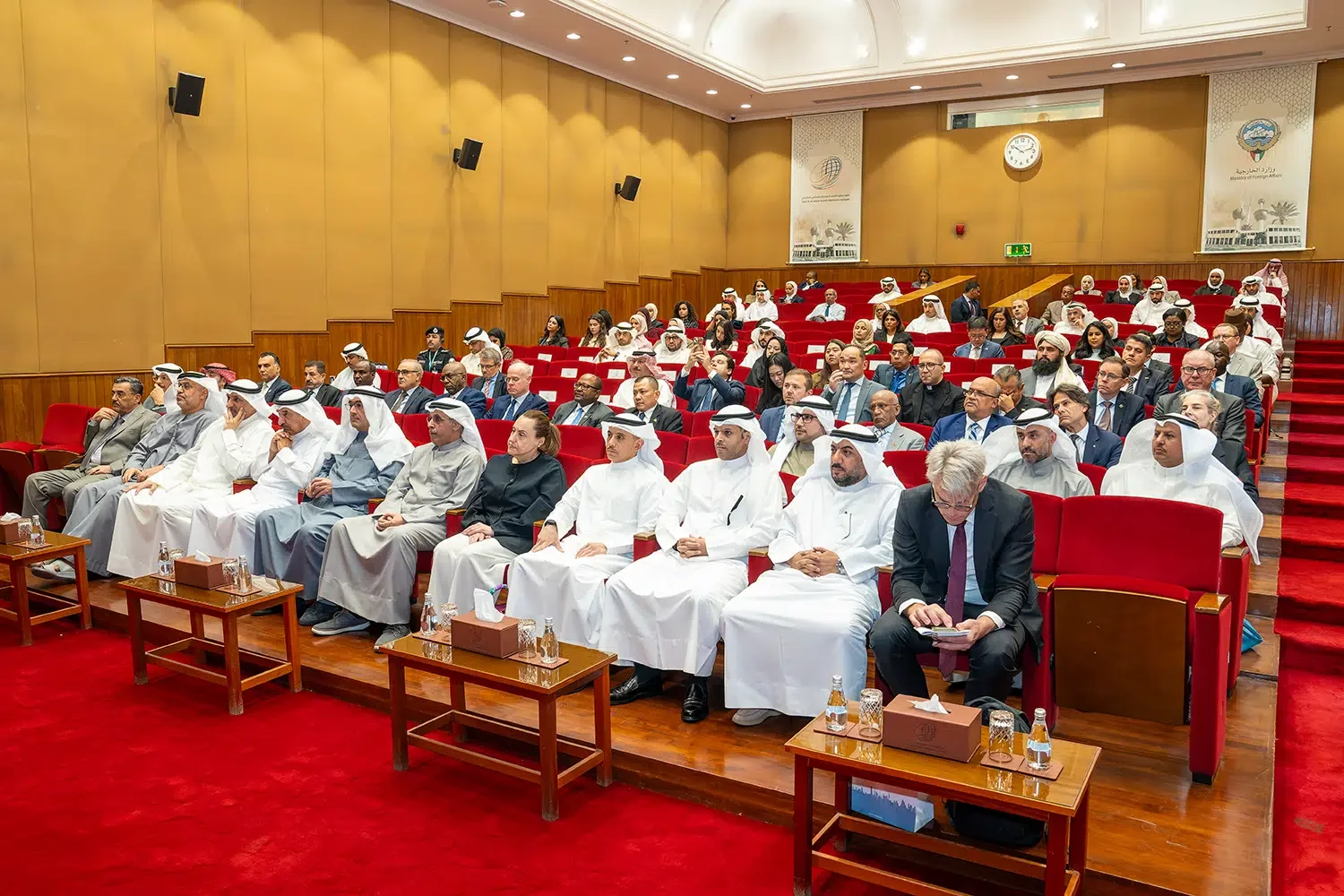
صورة: وكالة الأنباء الكويتية (كونا)
Hans Grundberg affirms the importance of Kuwaiti and international partnership to achieve sustainable peace in Yemen
Translated by Alqyas from KUNA — Original source
Kuwait — UN Special Envoy to Yemen Hans Grundberg affirmed that Kuwait represents a crucial partner in efforts to achieve peace in Yemen, thanks to its history of quiet diplomacy and its role in hosting the 2016 Yemeni peace talks, which constituted one of the longest and most significant negotiation rounds during the conflict there. Speaking at a lecture delivered today, Tuesday, at the Saud Al-Nasser Al-Sabah Diplomatic Institute, Grundberg stated that sustainable peace in Yemen cannot be achieved through military force alone; it requires a comprehensive, Yemen-led political process supported by effective regional diplomacy and sustained international efforts, alongside de-escalation and economic stabilization. He added that the Yemeni experience has highlighted the importance of patience, perseverance, credible mediation, and the inclusion of various parties and components in the political process to ensure the attainment of durable solutions. He noted that the Yemeni conflict demands a multidimensional approach that accounts for its political, economic, and security dimensions.
Grundberg pointed out that the truce witnessed in Yemen in 2022 demonstrated the positive impact of de-escalation on the lives of the population, contributing to reduced violence, the reopening of roads, family reunification, and creating broader space for diplomatic engagement. He highlighted that Yemen’s per capita gross domestic product (GDP) has declined by approximately 60 percent since the onset of the conflict, indicating the scale of the economic repercussions affecting the country and its people. Grundberg emphasized that mediation in modern conflicts has become multidimensional, and the credibility of the mediator is a fundamental element in the success of mediation efforts. He stressed that inclusivity in the political process is essential to ensure the representation of diverse components and voices, thereby enhancing the chances of achieving effective and sustainable outcomes.
He underscored the importance of mediators continuing their efforts to facilitate dialogue, build trust, and define realistic pathways for settlement, noting the critical role of regional partners in sustaining support for peace efforts, leveraging their influence to encourage de-escalation, and advancing the political process in parallel with supporting economic stability. During the question-and-answer session following the lecture, Grundberg addressed two main questions regarding how the United Nations can ensure Yemeni parties’ commitment to peace agreements and prevent a return to conflict, and the role Gulf states can play in bridging gaps between parties and supporting a political settlement.
In response to questions about international guarantees for implementing peace agreements, he noted that ensuring party compliance is a genuine and difficult challenge, emphasizing that agreements must include clear, specific, and measurable commitments, with the responsibilities of each party precisely defined. Grundberg warned that ambiguity in the wording of provisions, even if intended to facilitate agreement, can lead to differing interpretations, unclear responsibilities, and implementation problems. He clarified that establishing the sequence for implementing agreement provisions is a critical factor in their success; steps must be pre-agreed upon and ensured to be consistent, as poor sequencing of implementation can escalate tensions and potentially lead to a resumption of fighting. He also affirmed that a unified and coherent international stance is a fundamental condition for providing effective support to the peace process, highlighting the importance of backing by the UN Security Council and the international community in implementing existing agreements.
Regarding the role of Gulf states, Grundberg pointed to their importance in supporting mediation efforts and bridging differences, given their regional and geographical ties with Yemen, as well as their familiarity with the nature of the region and its developments.
He emphasized that the Gulf states’ regional knowledge and insight make their contribution vital to bridging gaps and supporting the political process, calling for their continued engagement and the provision of necessary support for mediation efforts and the achievement of a settlement. Grondberg stressed that implementing peace agreements is a shared responsibility, not borne by the United Nations alone, but involving the parties concerned, the international community, and regional actors, which requires clear commitments and the availability of political support and the necessary will for implementation. He noted that the United Nations’ role is to create conducive conditions for dialogue and facilitate the political process, enabling Yemenis to determine their own future, expressing his conviction that peace in Yemen is achievable and that international and regional efforts must continue to reach a lasting and just peace. (End) N.M.A. / K.D.A.
