33rd Beirut International Dental Conference Explores Profession's Future in Post-Digitalization Era with Kuwaiti Participation
صورة: وكالة الأنباء الكويتية (كونا)
Lebanese Dentists Syndicate Organizes 33rd Conference to Discuss Digital Transformation and AI in Healthcare with Arab and International Participation
Translated by Alqyas from KUNA — Original source
Beirut, November 19 (KUNA) -- The 33rd International Beirut Dental Conference discussed the future of the dental profession amid rapid developments in digital transformation and artificial intelligence, and ways to leverage modern technologies to improve the quality of healthcare. The event featured participation from Arab and international delegates, including representatives from the State of Kuwait.
Organized by the Lebanese Dental Union in Beirut under the theme "Post-Digitization: Shaping the Future of Dentistry," the conference brought together a select group of physicians, experts, and specialists to exchange scientific expertise and explore the latest advancements in the sector.
In a speech delivered on behalf of Lebanese President Joseph Aoun during the conference's opening, Lebanese Minister of Public Health Rakan Al-Nassir Al-Din stated that President Aoun pays special attention to health and union conferences due to their importance in discussing reform measures aimed at developing the health sector. Al-Din emphasized the ministry's commitment to supporting the union reform process and following up on doctors' demands regarding financial dues, support funds, and pensions. He stressed the necessity of protecting the profession in light of rising living costs, equipment prices, and medical supplies, which affect doctors' ability to provide treatment services at affordable costs for patients.
For his part, Lebanese Dental Union President in Beirut Ziad Zidan said in his address that the conference serves as an annual scientific forum for exchanging expertise, keeping pace with medical developments, and enhancing cooperation among dentists from various countries. He explained that the conference focuses on how to benefit from digital transformation and artificial intelligence to develop diagnostic and treatment methods, providing more accurate and safer healthcare for patients. He highlighted the importance of digital imaging and 3D technologies in improving diagnosis and presenting treatment options more clearly. Zidan stressed the need to utilize modern technologies in a manner tailored to each patient's specific needs to ensure optimal treatment outcomes and elevate the level of services provided.
Speaking to Kuwait News Agency (KUNA) on the sidelines of the conference, Dr. Saad Al-Shammari, President of the Kuwait Dental Association, emphasized the importance of Kuwaiti participation in specialized medical and scientific forums, as they provide opportunities to exchange expertise and knowledge and to stay abreast of the latest developments in dentistry.
Al-Shammari noted that the rapid evolution in the dental sector requires continuous monitoring of scientific and technical advancements at both the Arab and international levels, contributing to the development of doctors' efficiency and the improvement of the quality of treatment services provided to patients. He added that participation in specialized conferences allows doctors to learn about the latest medical equipment, facilities, and technologies used in diagnosis and treatment, as well as to exchange experiences and expertise with their peers from different countries.
Al-Shammari considered that the State of Kuwait holds a distinguished position in the field of dentistry globally, thanks to its qualified medical personnel and the advanced facilities and technologies provided by both public health institutions and the private sector.
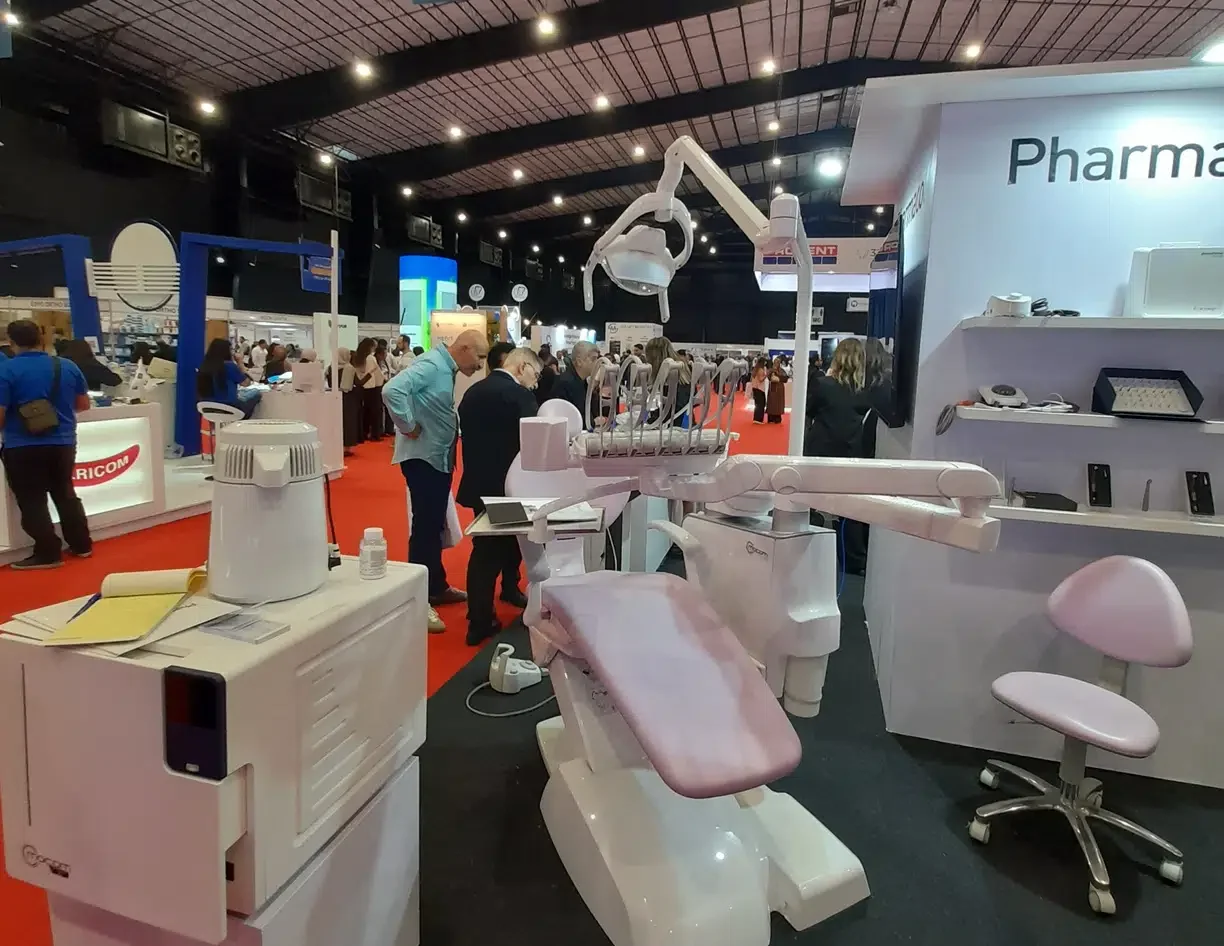
On the sidelines of the three-day conference, a medical exhibition is being held, featuring approximately 80 private sector companies showcasing their latest products, including drugs, equipment, facilities, and technologies used in dentistry. The exhibition aims to enhance cooperation between the scientific and industrial sectors and facilitate the transfer of innovations and technological developments into practical applications within clinics and health institutions. (End) A.Y.B / M.N.F
