UN commissioner: (International Justice) ruling on Rohingya genocide in Myanmar "a pivotal milestone" for achieving justice
صورة: وكالة الأنباء الكويتية (كونا)
UN commissioner describes genocide ruling as a pivotal milestone for justice
Translated by Alqyas from KUNA — Original source
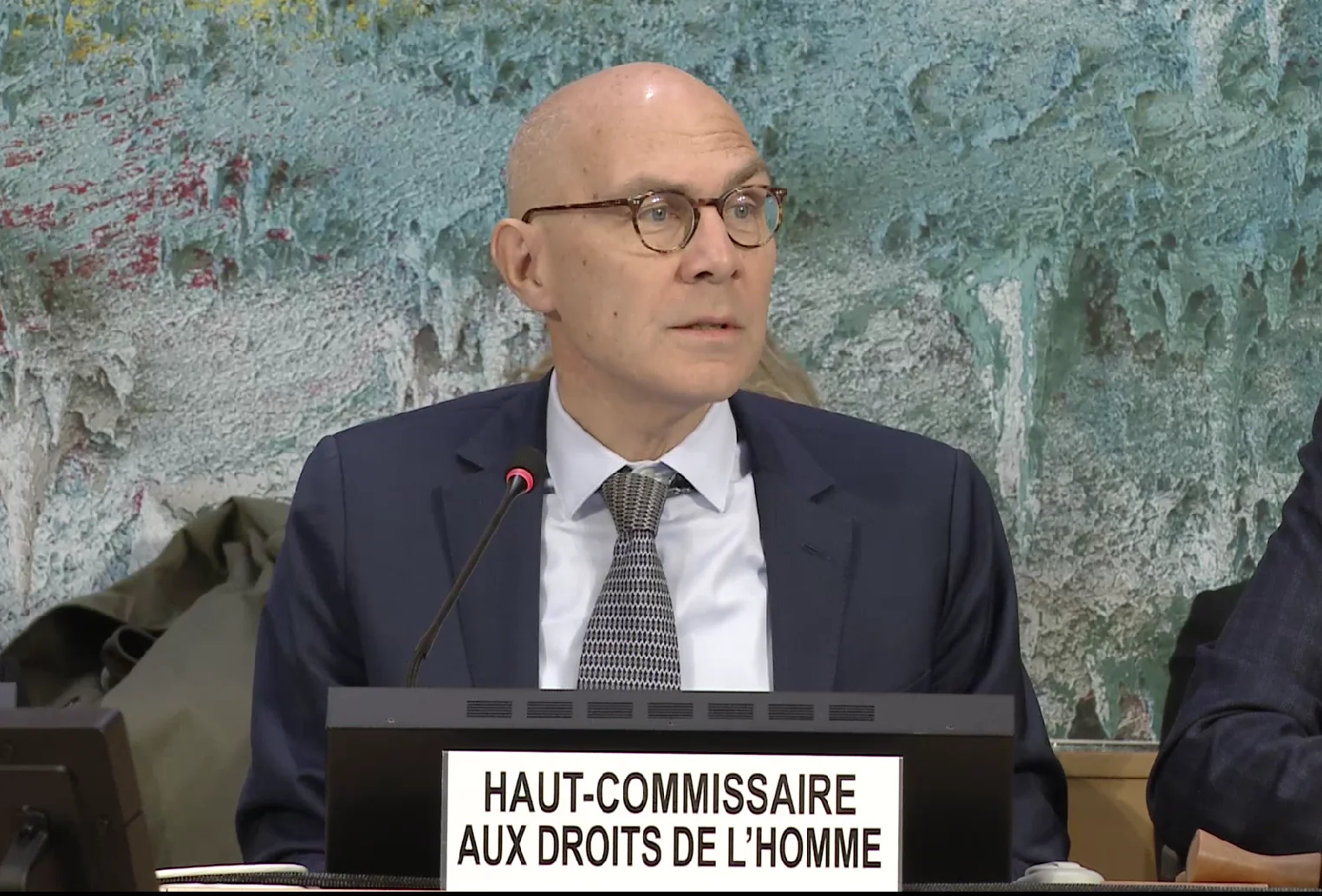
Geneva, November 19 (KUNA) -- UN High Commissioner for Human Rights Volker Türk welcomed on Thursday the historic ruling by the International Court of Justice (ICJ) that held Myanmar responsible for committing the crime of genocide against the Muslim Rohingya minority, describing it as a “milestone in the path toward achieving justice and ending impunity.”
In a statement issued from Geneva, Türk affirmed that the ruling represents a “significant step” toward justice for the victims of genocide and reinforces the principle of state responsibility for serious violations of international law, stressing the necessity for Myanmar to comply with and implement the measures ordered by the Court without delay. He emphasized the importance of the ruling serving as a “turning point” in the pursuit of justice for the Rohingya and all people of Myanmar, and paving the way for serious international efforts to end impunity for ongoing violations in Rakhine State.
He considered the ruling to reflect the “pivotal” role of international law and international justice mechanisms in determining responsibilities and holding perpetrators of serious crimes accountable, calling for its outcomes to be translated into practical steps that ensure justice for victims and reparation for the harm suffered.
He clarified that the UN Office of the High Commissioner for Human Rights, the Independent International Fact-Finding Mission on Myanmar, and the Independent Investigative Mechanism for Myanmar have documented, over several years, serious violations against the Rohingya and other population groups, including acts that may amount to international crimes.
Türk called on states to support ongoing judicial proceedings in Argentina, Timor-Leste, and other countries concerning individual criminal responsibility for crimes committed in Myanmar, alongside enhancing cooperation in preserving and sharing evidence and facilitating investigations and prosecutions.
He pointed out that ICJ judgments are final, legally binding, and not subject to appeal, stressing the urgent need to take measures to halt the transfer of military equipment, aviation fuel, and dual-use items that could be used to commit violations against civilians in Myanmar.
He urged the international community to support compensation and reparation programs for Rohingya survivors and to ensure sustainable humanitarian funding for refugees in Bangladesh and other countries, emphasizing that they must not be returned to Myanmar before the necessary conditions are in place for their safe and durable return and the restoration of their citizenship rights.
The UN official warned against the escalation of hate speech and incitement against the Rohingya, calling on social media platforms to take effective measures to prevent the spread of content inciting discrimination and violence, and to hold them accountable when they fail to address such practices.
He also called on states to reassess their relations with the authorities in Myanmar in light of the Court’s ruling and to intensify international efforts to achieve justice, secure redress for victims, and put an end to ongoing violence and persecution.
The case was brought by The Gambia against Myanmar before the ICJ in November 2019, with the support of the Organisation of Islamic Cooperation, following military operations targeting the Rohingya minority in Rakhine State in 2016 and 2017, which resulted in thousands of casualties and the displacement of hundreds of thousands to Bangladesh. (End) A.M.K. / M.N.F.
