Egypt Confirms Commitment to Updating Intellectual Property Legal Framework to Keep Pace with Technological Developments
صورة: وكالة الأنباء الكويتية (كونا)
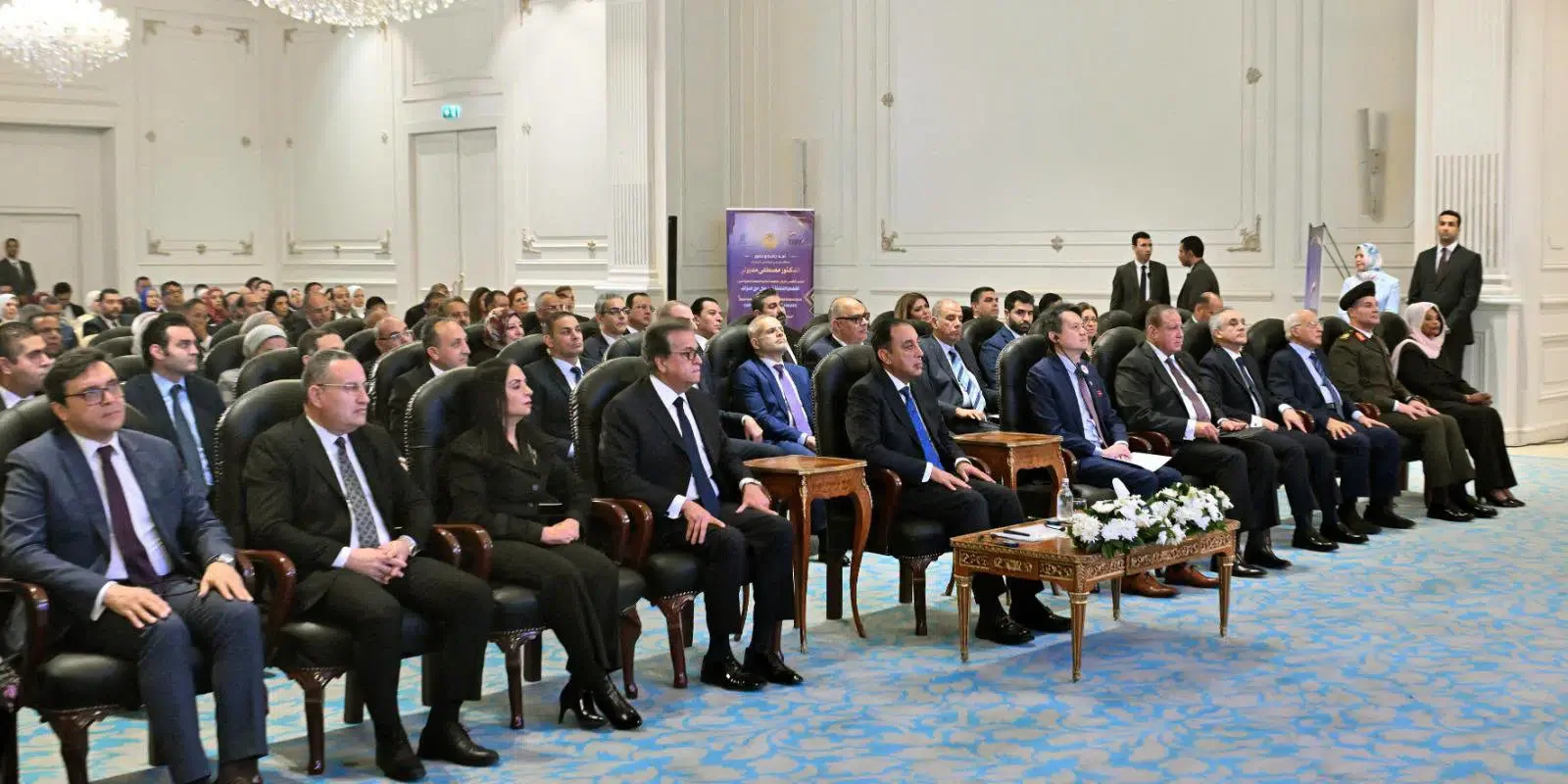
Egyptian Prime Minister Mostafa Madbouli confirmed the government's commitment to updating the intellectual property legal framework in line with technological developments such as artificial intelligence during the World Intellectual Property Organization (WIPO) International Conference in the capital Cairo
Translated by Alqyas from KUNA — Original source
Cairo, Nov 16 (KUNA) — Egyptian Prime Minister Dr. Mostafa Madbouli affirmed on Monday that his government is committed to continuing efforts to update the legal framework for intellectual property in line with technological developments, including artificial intelligence applications. This statement was made during Madbouli’s address at the opening session of the World Intellectual Property Organization (WIPO) International Conference on “Copyright: Emerging Issues,” held in the new capital city, attended by WIPO Director General Daren Tang, along with several ministers, representatives of international organizations, participants, and experts from Egypt and various countries around the world.
Madbouli said that the choice of the conference topic “reflects an awareness of the importance of the moment we are living in, recognizing that artificial intelligence opens wide horizons for innovation and creativity, but at the same time raises legal, economic, cultural, and ethical questions concerning data sources, the use of protected works, creators’ rights, attribution of works to their authors, and the distribution of the economic value generated thereby.” He added that the challenge does not lie in choosing between protecting rights and encouraging technology, but rather in building a balanced framework that allows technological progress to flourish while safeguarding the legitimate rights of creators and ensuring they receive fair benefits from their output.
He noted that Egypt attaches great importance to developing its intellectual property system, based on the conviction that this system is no longer limited to protecting rights but has become an important tool for supporting innovation, enhancing economic competitiveness, encouraging investment, and transforming knowledge and creativity into added value and sustainable job opportunities.
For his part, Tang called for the development of the intellectual property system to keep pace with the rapid developments in the field of artificial intelligence, while emphasizing the need to preserve the status of the human creator as the core of the creative process. Tang, a Singaporean national, said, “Our responsibility lies in ensuring that copyright continues to serve the creative human spirit and that human creators in Egypt and around the world remain at the heart of the global intellectual property system.”
He expressed appreciation for the cooperation between WIPO and Egypt, commending the steps taken by Egypt to develop its national intellectual property system and the role played by the Egyptian Intellectual Property Authority in this regard. He pointed out WIPO’s commitment to continuing to support Egypt in developing its institutional capacities, enhancing the economic benefits of intellectual property, and keeping pace with the new challenges posed by technology and artificial intelligence, thereby contributing to turning creativity and innovation into opportunities for growth and development.
The conference sessions are expected to address several key issues related to the future of the copyright system and the role of intellectual property in supporting cultural and creative industries, enhancing the economic value of creativity, as well as discussing emerging challenges associated with the use of artificial intelligence technologies in content production and dissemination. (End) A.S.M / A.S
