European Union Proposes New Law to Protect Consumers and Combat Misleading Online Commercial Practices
صورة: وكالة الأنباء الكويتية (كونا)
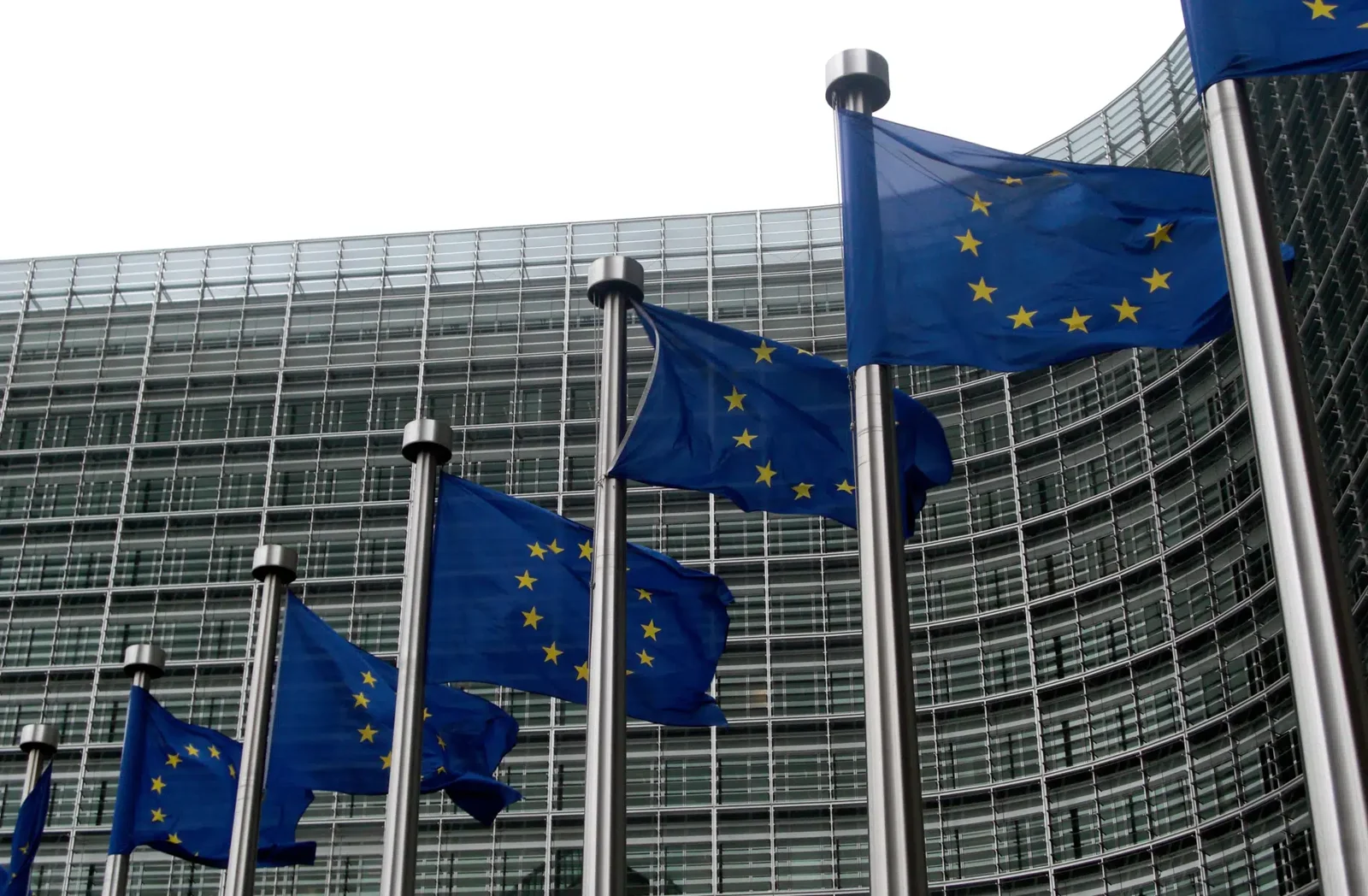
The European Commission has proposed new legislation to combat misleading online commercial practices and protect consumers.
Translated by Alqyas from KUNA — Original source
Brussels, November 11 (KUNA) -- The European Commission proposed new legislation today, Wednesday, titled the "Digital Fairness Act," aimed at strengthening consumer protection in digital markets, tightening oversight of misleading commercial practices, and curbing manipulative tactics, unclear advertising, and influencer marketing without disclosure.
In a statement, the Commission said the proposal targets manipulative marketing techniques known as "dark patterns," such as fake ads implying that products are running out, to pressure consumers into buying. It also seeks to enhance transparency in pricing, digital advertising, and electronic subscriptions.
European Commissioner for Technology, Henna Virkkunen, emphasized during a press conference in Brussels that the proposal pays special attention to influencer marketing on social media platforms by requiring influencers to disclose commercial and advertising content. It also addresses practices that exploit the trust of children and minors among their followers to influence their consumption decisions.
Virkkunnen added that the Commission aims to empower consumers to exert greater control over digital features that encourage excessive use or addictive behaviors, such as infinite scrolling, as well as to limit practices that drive users to make frequent or excessive purchases.
The proposal includes banning certain gambling-like features in video games targeted at minors, such as paying to win or progress through game levels. It also imposes restrictions on personalized advertising and pricing targeting children or exploiting consumers’ sensitive data.
Furthermore, it calls for greater transparency regarding prices, particularly for purchases made using virtual currencies within apps and dynamic pricing during cultural and sporting events. Companies would be required to display current prices and the maximum possible price during virtual queues for ticket purchases.
The proposal also aims to facilitate the cancellation of subscriptions and digital contracts, put an end to unwanted automatic renewals, and address free trial periods that convert into paid subscriptions without adequate consumer clarification. It also ensures the ability to communicate with a human representative in customer service and clarifies consumer rights when using AI agents to complete purchases on their behalf.
In a related development, the Commission proposed a revision of the regulation on cooperation among consumer protection authorities to grant them direct powers to investigate widespread violations affecting consumers in the Single European Market and to impose fines of up to 6% of the global annual turnover of offending companies.
The proposed amendments include accelerating coordination among consumer protection authorities in member states on cross-border issues, improving enforcement mechanisms and fine collection procedures, and requiring companies operating outside the European Union to appoint a legal representative within the EU to cooperate with regulatory authorities.
Virkkunnen noted that updating European legislation has become essential to keep pace with rapid developments in digital markets and to counter new commercial practices that undermine consumers’ ability to make free and informed decisions.
She clarified that these measures are not limited to enhancing consumer protection but also aim to provide a fair competitive environment and clearer rules for companies compliant with legislation, thereby strengthening trust in European digital markets.
The European Commission expects these initiatives to generate annual savings for consumers in EU member states of 13.7 billion euros ($15.4 billion). The European Parliament and the Council of the European Union are scheduled to discuss the legislative proposals before finalizing the adoption procedures. (End) A.R.N. / A.M.S.
