Ministry of Oil and Kuwait Gulf Oil Company Sign Protocol for Electronic Linking and Data Exchange
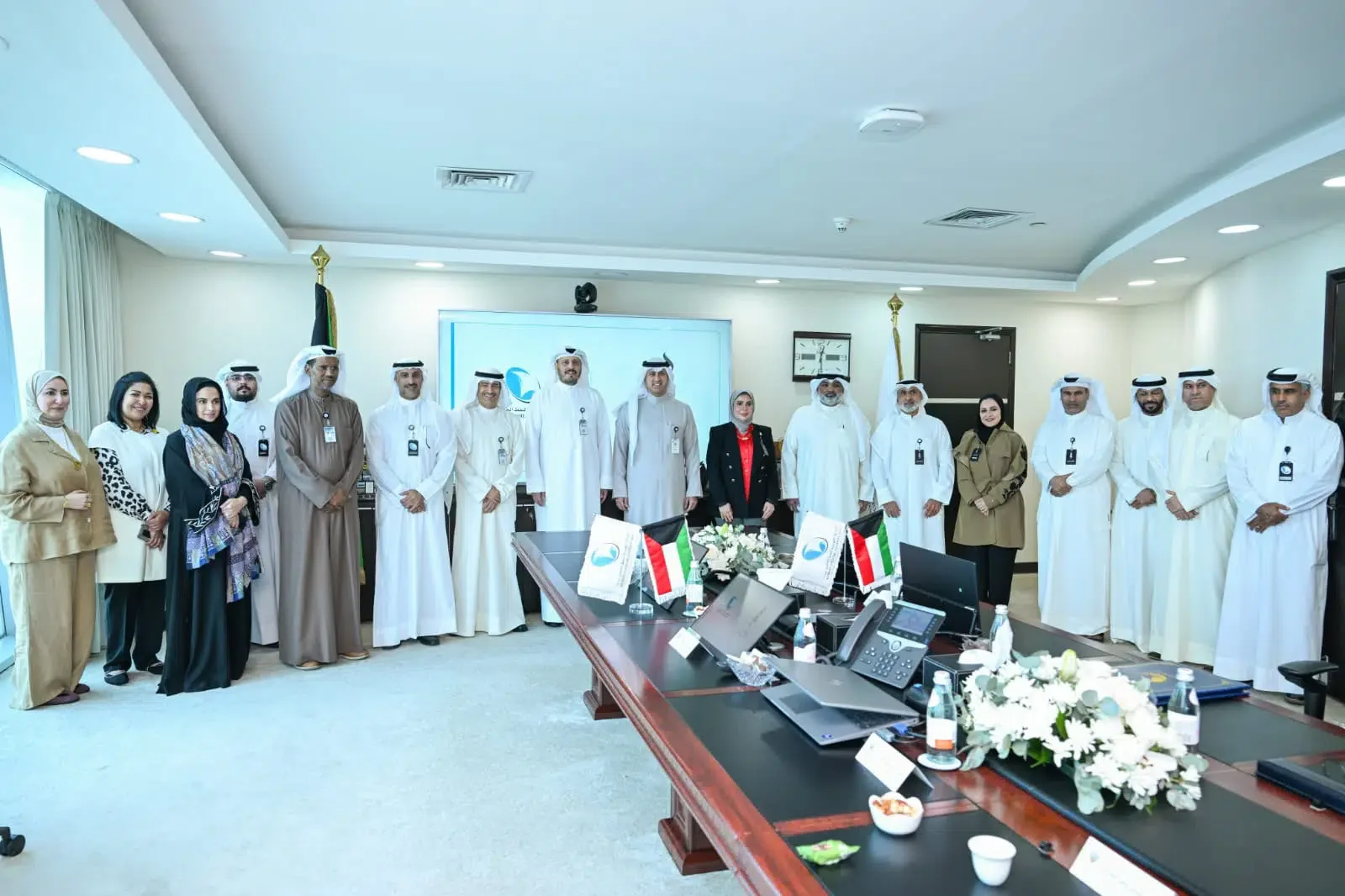
صورة: وكالة الأنباء الكويتية (كونا)
The Ministry of Oil and Kuwait Gulf Oil Company have signed a cooperation protocol for electronic linking and data exchange to enhance digital efficiency.
Translated by Qiyas from كونا — Original source
Kuwait, Nov 10 (KUNA) -- The Ministry of Oil signed a memorandum of understanding (MoU) on Tuesday with the Kuwait Gulf Oil Company (KGOC) regarding electronic integration and the exchange of data and information between the two parties, a move aimed at developing the institutional work system, enhancing digital integration, and improving the efficiency of financial and administrative procedures. The MoU was signed by the Deputy Minister of Oil, Sheikh Dr. Nemer Fahad Al-Mutairi Al-Sabah, and the Chief Executive Officer of KGOC, Bader Al-Munif.
In a statement issued by the Ministry, Sheikh Dr. Nemer Al-Sabah said that this signing aligns with the Ministry’s direction to accelerate digital transformation and expand technical cooperation with oil companies, enabling the electronic exchange of data and information through approved and secure channels. This initiative contributes to shortening documentation cycles, simplifying procedures, accelerating transaction processing, and enhancing the accuracy of exchanged information.
He added that the MoU represents a significant step in developing the government work system and strengthening integration between the Ministry of Oil and oil companies by leveraging modern digital solutions to streamline procedures and improve institutional performance efficiency.
The Deputy Minister emphasized that the Ministry places great importance on developing its financial and administrative systems and updating information exchange mechanisms with relevant entities, thereby enhancing the speed and accuracy of transactions and supporting decision-making based on reliable and up-to-date data. He noted that digital transformation is one of the fundamental pillars for elevating service quality and achieving optimal resource utilization.
He pointed out that cooperation with KGOC reflects a commitment to building a more interconnected and effective work system and expanding the use of modern technologies in managing joint operations. He highlighted the importance of sustained coordination among specialized teams to ensure the practical implementation of the MoU’s outcomes and the achievement of its intended objectives.
Clarifying that developing electronic integration between government entities and oil companies is not limited to accelerating information exchange, he noted that it extends to enhancing data reliability, improving monitoring and oversight efficiency, and reducing procedural duplication, thereby supporting governance principles and establishing a more efficient and flexible institutional work environment.
He stated that the areas of electronic integration between the two parties include the exchange of basic data for KGOC employees and relevant entities, financial data related to expenditures, settlements, dues, and allowances, as well as periodic reports and data necessary for processing financial transactions, along with any additional data agreed upon in accordance with approved regulations and authorities.
He indicated that the MoU aims to establish an organized institutional mechanism for information exchange, ensuring smooth procedures, providing accurate and updated data, reducing reliance on paper-based transactions, and improving coordination efficiency between the specialized departments of both parties.
He affirmed that this step is part of the Ministry of Oil’s ongoing efforts to modernize the work environment, develop support services, and strengthen institutional partnerships with oil companies, thereby supporting the digital transformation journey and elevating institutional performance standards. (End) K.M. / N.W.F.
