65th session of Arab Health Ministers Council begins with Kuwait's participation to discuss enhancing cooperation
صورة: وكالة الأنباء الكويتية (كونا)
Egyptian Health Minister emphasizes strengthening health security and support for Palestine and migrant workers
Translated by Qiyas from كونا — Original source
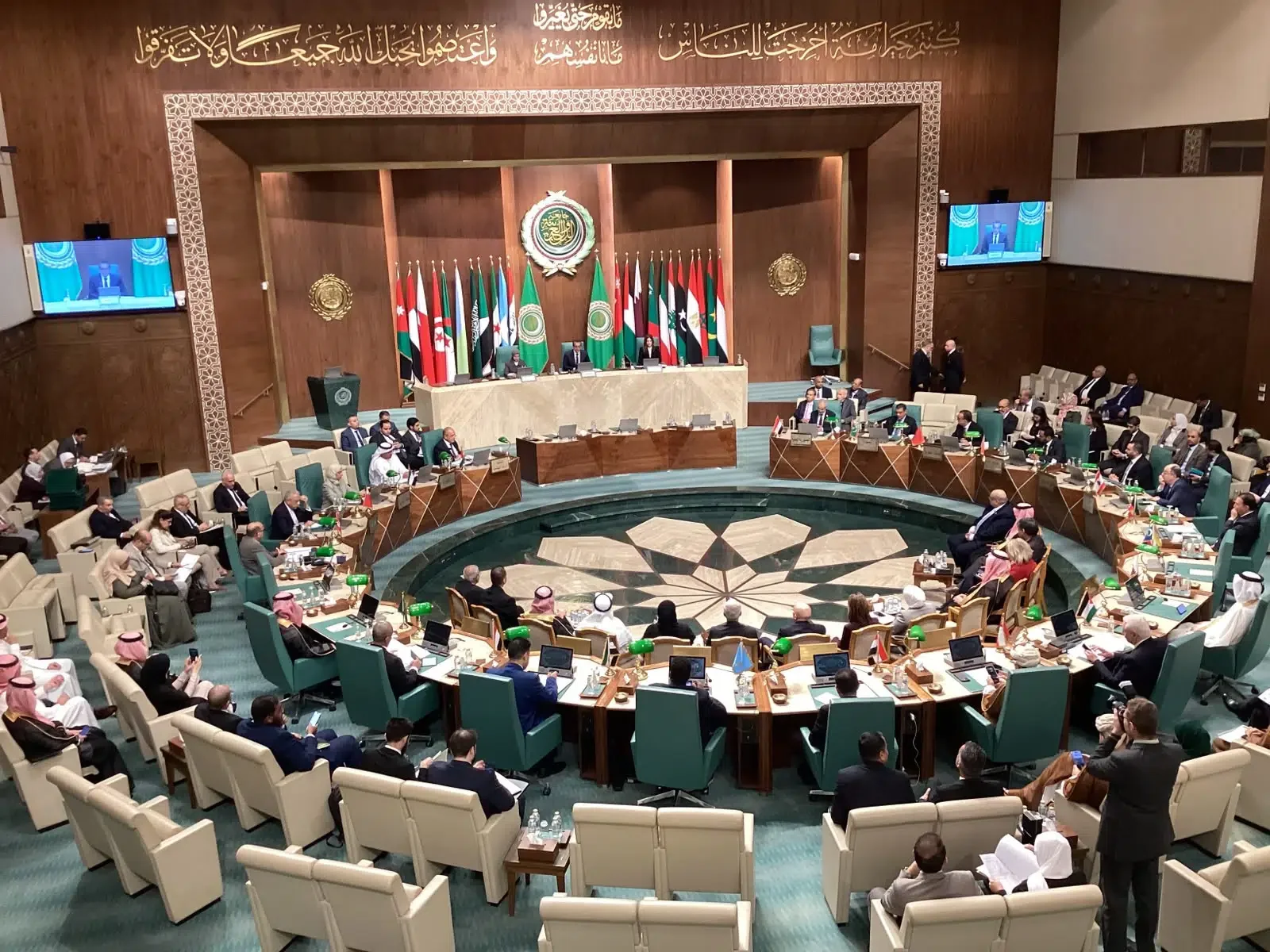
Cairo -- The 65th session of the Arab Health Ministers Council meetings kicked off today, Tuesday, with the participation of the State of Kuwait, to discuss ways to enhance shared Arab health security, develop health systems in Arab countries, and address health and humanitarian challenges.
In an opening statement, Dr. Khaled Abdel-Ghaffar, Egypt’s Minister of Health and Population and President of the 65th Council session, emphasized that enhancing shared Arab health security and developing health systems in Arab countries requires intensifying joint efforts and coordination, and placing the needs of countries facing emergency situations and humanitarian and health crises at the top of the Council’s priorities, whether through collective Arab action or bilateral cooperation.
Abdel-Ghaffar stated that the session’s meetings featured extensive and constructive discussions, resulting in a package of comprehensive strategic decisions and recommendations approved under 17 agenda items, forming an action plan for the coming phase to support the Arab health sector and respond to challenges facing Arab countries and peoples.
He expressed confidence in the success of the session’s outcomes, stressing the importance of focusing discussions on approving topics that would support Arab health work amid the emergency and difficult circumstances affecting several sister Arab countries, necessitating placing their populations and health systems at the forefront of priorities.
Regarding the health and humanitarian situation in Palestine, Abdel-Ghaffar affirmed that Egypt is closely monitoring with deep concern the catastrophic conditions facing the Palestinian health system and the crisis of drug shortages in the Gaza Strip and the West Bank. He stressed the continued provision of medical and humanitarian support and assistance in recovery and reconstruction efforts, while calling on the international community to ensure the safe and continuous flow of humanitarian and medical aid without restrictions.
He commended the Council’s approval of an urgent financial support of $200,000 from the Arab Fund for Health Development to meet the immediate needs of the Palestinian Ministry of Health, thereby enhancing its capacity to address current health and humanitarian requirements.
He considered the adoption of the Arab Strategy for Leveraging the Skills of Emigrant Arab Health Professionals as a key forward-looking pillar for enhancing Arab health security, noting that the strategy will be officially launched during the second session of the Arab Conference on Emigrant Arab Health Professionals, scheduled to be held in Cairo tomorrow, Wednesday.
He affirmed that Arab countries are not limited to the medical and scientific expertise they possess abroad, but also boast distinguished talents within the Arab world capable of achieving further progress and excellence in health and medical fields.
Regarding the health of mothers, children, adolescents, and youth, Abdel-Ghaffar clarified that the Council approved the draft multi-sectoral annex on adolescents and youth, entrusting the Technical Secretariat, in coordination with the United Nations Population Fund (UNFPA), to hold the second workshop to monitor implementation. Additionally, the axis on the impact of climate change on the health of mothers and adolescents was referred to the First Ministerial Forum on Health and the Environment, thereby enhancing the integration of health and environmental issues into Arab policies.
In the context of enhancing Arab cooperation in blood transfusion services, the Health Minister pointed to the follow-up on the outcomes of the 25th meeting of the Arab Organization for Blood Transfusion Services, expressing pride in the organization’s recommendation to designate Egypt as an accredited regional center for training and qualifying personnel working in blood transfusion services in Arab countries and building their capacities.
He clarified that the center will train a number of Sudanese medical personnel in the coming period, reflecting Egypt’s role in supporting Arab brothers and enhancing the capacities of health systems in Arab countries. He also congratulated Algeria on assuming the chairmanship of the body for the next two years.
Abdel Ghaffar appreciated the efforts undertaken by the Arab bodies and councils emanating from the Arab Health Ministers Council, and their contributions at both the medical and educational levels. He also commended the efforts made in preparing for the Second Arab Conference on the Role of Migrant Arab Health Professionals in Supporting Health Systems in Arab Countries.
In the field of humanitarian and health work, he affirmed Egypt’s pride in sharing its national experience in the initiative “Arab Humanitarian Day Without Burns,” describing it as a model based on awareness, rehabilitation, and training of Arab personnel through the training center at Al Ahl Masr Hospital. He pointed to the recommendation that the Technical Secretariat be tasked with forming a committee comprising member states and the Al Ahl Masr Foundation to finalize the proposal’s vision, thereby paving the way for launching a unified Arab voice ahead of the 80th session of the UN General Assembly.
Regarding the enhancement of Arab health security, Abdel Ghaffar noted the Council’s keen follow-up of the proposal submitted by Iraq to establish an Arab regional center for applied epidemiology, emphasizing the importance of achieving technical integration between the proposed center and relevant Arab institutions, foremost among them the Arab Center for Public Health, to avoid duplication of mandates and maximize the efficiency of Arab institutional work in combating epidemics.
The Minister of Health stressed the importance of ensuring the sustainability of activities and events funded by the Arab Fund for Health Development, expressing gratitude to countries that have settled their contributions to the fund’s budget, and calling on other member states to promptly pay their contributions to ensure the fund’s continued ability to fulfill its role and finance Arab health programs and initiatives.
He underscored the importance of unifying Arab efforts to combat drugs by supporting the roadmap for establishing the Arab Drug Observatory, appreciating the steps taken in 2026 in collaboration with the General Secretariat of the Arab Ministers of Interior Council to discuss the roadmap and mechanisms for establishing the observatory, which would contribute to protecting Arab youth and enhancing the health security of Arab societies.
He also praised the success achieved in Egypt’s organization, in coordination with the League of Arab States, of the third session of the Arab-China Forum in the Health Sector, held last Sunday, noting the forum’s intensive and high-level participation from both the Arab and Chinese sides. He explained that this event represents a new impetus for the horizons of Arab-Chinese cooperation in health and medical care, opening the door to elevating cooperation levels and exchanging expertise in a manner that responds to the needs of Arab peoples.
Abdel Ghaffar expressed hope that the decisions and outcomes of the 65th session of the Arab Health Ministers Council would meet the aspirations of Arab peoples.
The opening session of the conference included the distribution of the Arab Doctor Award to four physicians from Saudi Arabia, Egypt, and Palestine, in recognition of their contributions to the medical field. It also featured presentations of experiences from three Arab countries in the field of pioneering health care, including Kuwait’s experience in digital health innovation.
The Kuwaiti delegation to the session is headed by its Permanent Representative to the League of Arab States, Ambassador Talal Al-Mutairi, and includes Dr. Hisham Kalander, Assistant Undersecretary of the Ministry of Health for External Health Services Affairs. (End) M.M. / M.A.A.
