OPEC Secretary-General: World Entering 'Era of All Energy Sources,' Not Just Electricity
Press coverage 2 newspapers covered this event: Al-Rai · KUNA →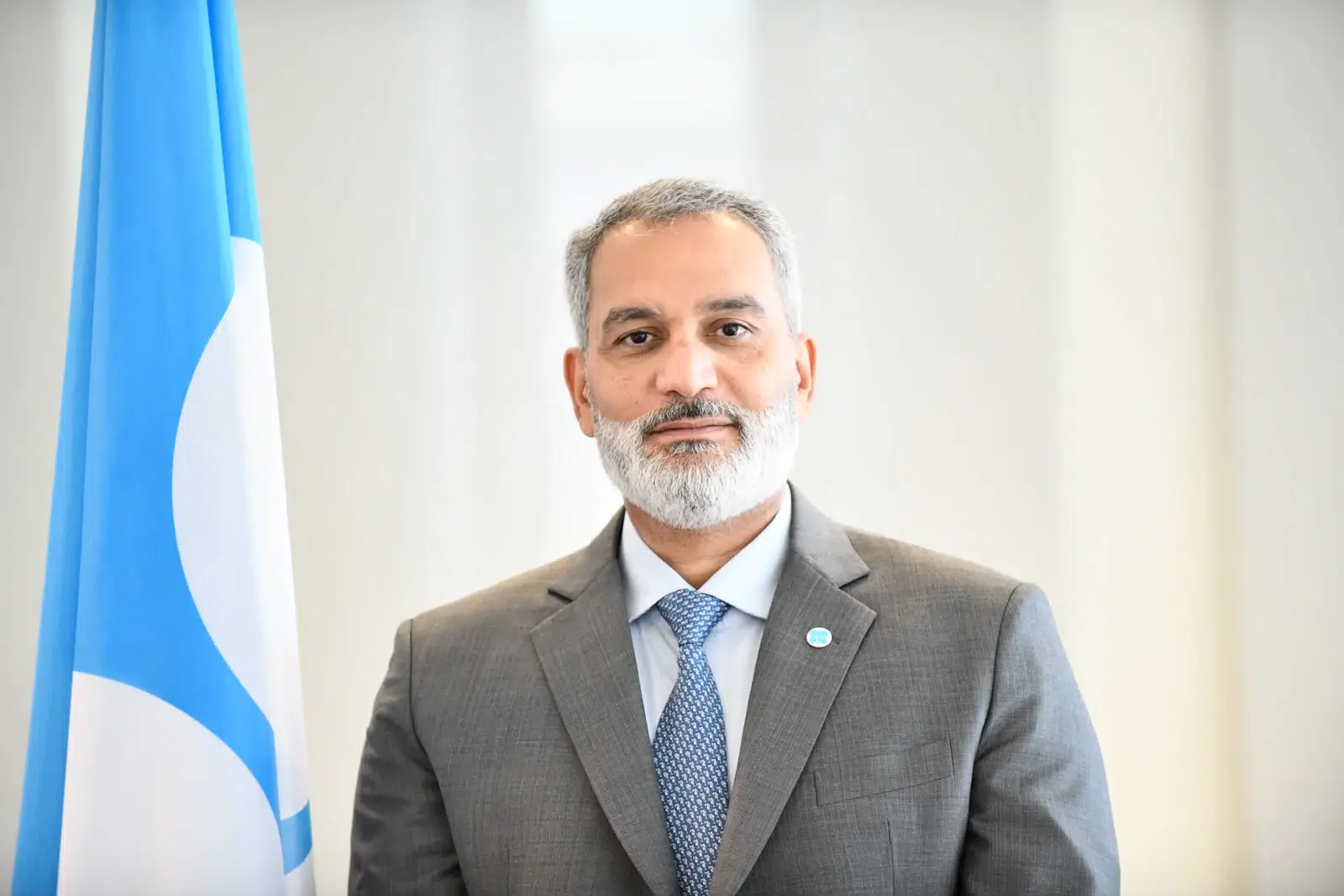
صورة: وكالة الأنباء الكويتية (كونا)
Haitham Al-Ghais affirmed that the energy transition requires integration among all sources, noting that electricity technologies rely on petroleum derivatives.
Translated by Qiyas from كونا — Original source
Kuwait -- OPEC Secretary General Haitham Al-Ghaiss affirmed that the world will require larger quantities of electricity in the coming decades, but it will also need more of other energy sources, stressing that the future of energy does not rely on focusing on a single source while neglecting the roles played by others. Speaking to the Kuwait News Agency (KUNA) on Tuesday on the occasion of the Conference of the Parties to the United Nations Framework Convention on Climate Change (COP31), Al-Ghaiss noted that discussions are increasingly centered on the world entering an “electric age,” but this view does not reflect the full picture of transformations in the energy sector. He emphasized that the future must be based on the concept of an “age of all energy sources,” recognizing the importance of integration and interconnection among various energy sources.
He explained that four key points reveal certain shortcomings in the ongoing discourse on the transition to electricity. The first is that expanding electrification across various sectors is tied to a physical reality involving the need for more equipment, devices, and infrastructure. The so-called electric age requires a vast physical infrastructure in homes, offices, cars, and cities. He added that producing and transporting these equipment relies on international supply chains, through which materials and products travel on multiple journeys, often crossing different regions of the world before reaching final assembly lines. He pointed out that these transportation and logistics operations depend heavily on fuel-oil-powered transport means.
Al-Ghaiss noted that expanding electricity use will also lead to what can be described as an “age of more cables and chargers.” Every electronic device requires a power supply unit and at least one cable, while other devices require two or three, meaning an increase in the number of chargers, low-voltage power sources, and cables, as well as heavy-duty cables and fixed internal electrical connections needed for electric vehicles.
He outlined that the second point is that electrification expansion will increase demand for oil-derived products, given that devices and technologies associated with this transition rely on large quantities of plastic materials, whether for cable insulation, manufacturing charger casings and power units containing electrical transformers, or packaging materials often made of plastic. He highlighted that some electric technologies require significantly more plastic components than the traditional systems they replace, noting that a mid-size electric vehicle may contain 45 percent more plastic and polymer composite materials compared to a similar gasoline or diesel-powered car.
Al-Ghaiss stressed that petrochemical requirements linked to the transition to electricity are often overlooked, noting that they have not received significant attention in the special report issued by the International Energy Agency (IEA) on electrification ahead of COP31. He added that the expansion of electric vehicles faces other challenges that must be considered, including the availability of critical minerals, the capacity of public charging networks and stations, government support, as well as market realities and their impacts on manufacturers and consumers.
Al-Ghaith clarified that the third point concerns the fundamental role played by oil and its derivatives in the manufacturing, maintenance, and installation of electricity networks, a fact that OPEC has repeatedly emphasized. He noted that these products are used in the production of cables, overhead power transmission lines, towers, transformers, substations, and control systems. He added that the expanded use of high-voltage offshore power cables will, in turn, lead to a significant increase in demand for specialized types of plastics and polymers.
He stated that the fourth point highlights the importance of oil-derived products in electricity generation, regardless of the source. He explained that oil-derived materials such as fiberglass, resins, and plastics account for an average of about 15 percent of the weight of wind turbines. Al-Ghaith further noted that plastics make up approximately 10 percent of the components of traditional silicon-based solar panels, emphasizing that oil products are fundamentally involved in various stages of the value chains associated with the manufacturing, construction, and transmission of renewable energy technologies.
He stressed that these facts confirm that energy sources do not operate on a zero-sum equation, where the growth of one necessarily leads to the decline of another. Nor do they function in isolation; rather, the world will need all energy sources to meet the growth in global demand, address energy poverty that continues to affect billions of people worldwide, and enhance supply security.
Al-Ghaith concluded by stressing the importance of moving beyond traditional classifications that divide energy development stages according to their sources, and instead recognizing the interdependence and mutual reliance among them, acknowledging that the world is already living in the “era of all energy sources.”
The 31st session of the Conference of the Parties to the United Nations Framework Convention on Climate Change (COP31) kicked off yesterday, Monday, in the Turkish city of Antalya, with the participation of heads of state, government officials, and representatives of international organizations and institutions concerned with energy and the environment, to discuss ways to enhance international cooperation and accelerate the implementation of climate commitments.
The conference, which runs until November 20, aims to discuss the most prominent challenges related to climate change, foremost among them reducing carbon emissions, adapting to their impacts, financing climate projects, and enhancing investments in clean energy and low-emission technologies, alongside examining the future of the global energy mix and the role of various energy sources in meeting growing demand and ensuring supply security. (End) K.M.
